








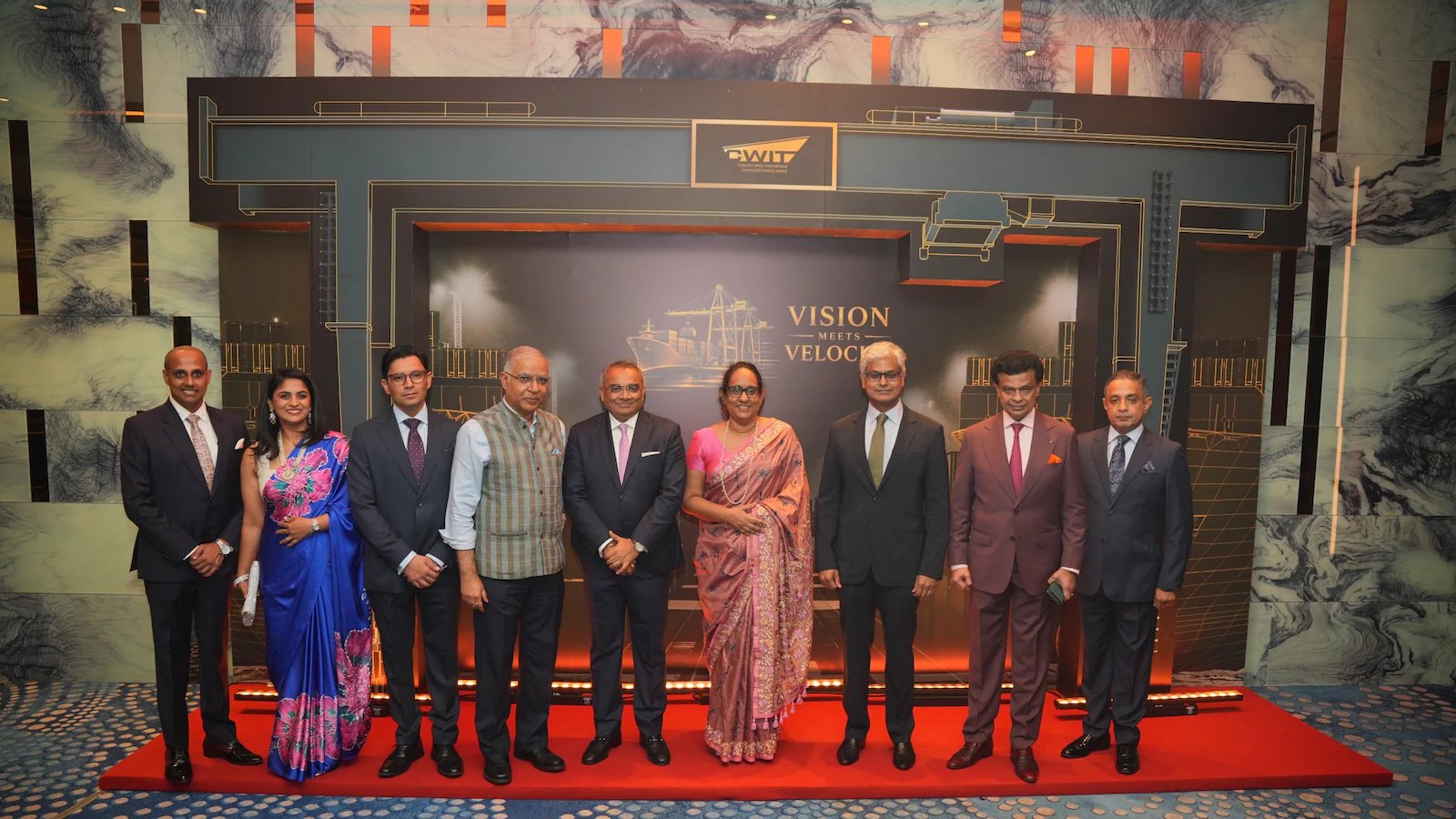
Sri Lankan Prime Minister Dr. Harini Amarasuriya officially inaugurated the second phase of the Colombo West International Terminal (CWIT) on Thursday, a $750 million expansion project spearheaded by Adani Ports and Special Economic Zone (APSEZ). This significant development is set to transform the regional maritime landscape, effectively doubling the terminal’s capacity from 1.6 million to 3.2 million TEUs. The strategic upgrade is a cornerstone of the nation’s broader goal to capture a quarter of the Port of Colombo’s targeted 13 million TEU throughput by 2028.
## Leveraging Deep-Water Infrastructure and Automation
At the heart of the CWIT expansion is a commitment to cutting-edge technology and logistical efficiency. As Sri Lanka’s first fully automated deep-water container terminal, the facility is engineered to handle the world’s largest container vessels. By integrating advanced digital infrastructure and fully electrified, zero-emission operations, the terminal serves as a blueprint for the future of green logistics.
Industry experts suggest that the integration of AI-driven terminal operating systems is essential for managing such high-volume, automated traffic. Similar to how tech giants are leveraging artificial intelligence to optimize supply chain data, APSEZ is utilizing these tools to coordinate berth movements and container stacking, allowing the terminal to simultaneously accommodate three ultra-large container ships. This technical prowess positions the port as a premier transshipment gateway, effectively shortening turnaround times and enhancing the overall competitiveness of the East-West maritime trade corridor.
## A Strategic Hub for Global Trade
The rapid pace of development at the Port of Colombo has defied initial expectations. CWIT made headlines in 2024 by becoming the fastest terminal to process one million TEUs during its inaugural year. In a testament to its operational efficiency, it recently surpassed the two-million TEU milestone within just 18 months.
“The success of Colombo West International Terminal demonstrates what Sri Lanka can achieve when bold vision, trusted partnerships and modern infrastructure come together,” Dr. Amarasuriya stated during the ceremony. By strengthening the nation’s maritime logistics, the government aims to attract greater international commerce, generate local employment, and solidify the country’s status as the leading maritime hub of the Indian Ocean.
## Tech-Driven Growth and Regional Economic Impact
The expansion also highlights the synergy between traditional infrastructure and the modern tech-integrated economy. Krishan Balendra, Chairperson of the John Keells Group—a key partner in the project—emphasized that this milestone reflects the power of collaborative industrial innovation. As global shipping lines increasingly rely on high-tech terminals to streamline EXIM cargo and transshipment operations, the investment by APSEZ provides a necessary foundation for economic recovery and long-term sustainability.
For the tech sector, the success of CWIT serves as a reminder that robust physical infrastructure, when combined with modern, automated operational standards, is the backbone of the digital economy. The reliance on sophisticated sensors, automated guided vehicles, and cloud-based terminal monitoring highlights a shift toward “smart ports” globally. As this project continues to scale, it acts as a bellwether for how investments in deep-water technology and AI-automated systems can revitalize national economies, providing a vital link in the chain that connects global manufacturing hubs to consumer markets. By reinforcing its maritime capabilities, Sri Lanka is effectively ensuring that its logistics infrastructure remains as agile and responsive as the digital platforms that drive modern international trade.
Disclaimer: This content is auto-generated for informational purposes only.
Source: Read Original News