






So, what next?
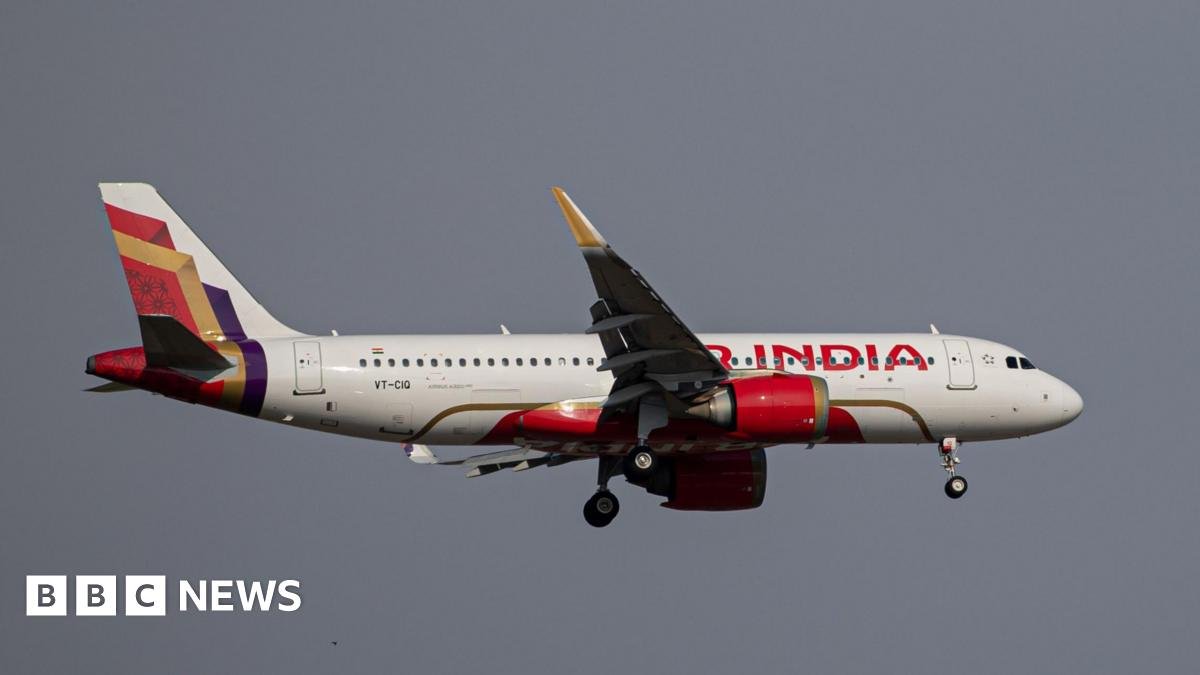
Sabarad says the Tatas and Singapore Airlines will have to step up and infuse more money into the carrier to fund the mounting losses. The $2.4bn figure, if correct, he says is comparable to the steep financial challenge the Tata Group faced after Tata Steel’s buyout of UK’s Corus Steel nearly two decades ago.
“Shareholder support is required. The Tatas didn’t give up then and have experience dealing with such scenarios… but they should start looking at innovative financing arrangements going forward,” he adds.
But things could get worse for Air India before they begin looking up in terms of its financial performance, says Anand.
“My guess is that the projected losses may be on account of payments made for refurbishments which they might have recognised and the costs and penalties paid to lessors after returning older planes, so these are legacy issues coming to the fore,” says Anand.
“The impact of the events of today, including high fuel costs, currency depreciation and route closures, will also be felt more acutely in the months to come.”
The ongoing conflict in the Middle East was a chance for Air India to make a greater dent in the international market, given that the stranglehold of the Gulf carriers has weakened.
But it is a missed opportunity given that availability of aircraft remains a big constraint for the airline.
Going ahead, what the final investigation into last year’s deadly crash potentially reveals will also determine how damaging the consequences will be for the airline and its reputation, say experts.
The liabilities for the carrier would have largely been covered, and no further financial surprises are expected, according to Sabarad.
However, from a reputational point of view, any potentially negative findings in the investigation could damage its image, which will take Air India a lot of effort to repair, he adds.
Follow BBC News India on Instagram, external, YouTube,, external X, external and Facebook, external.