








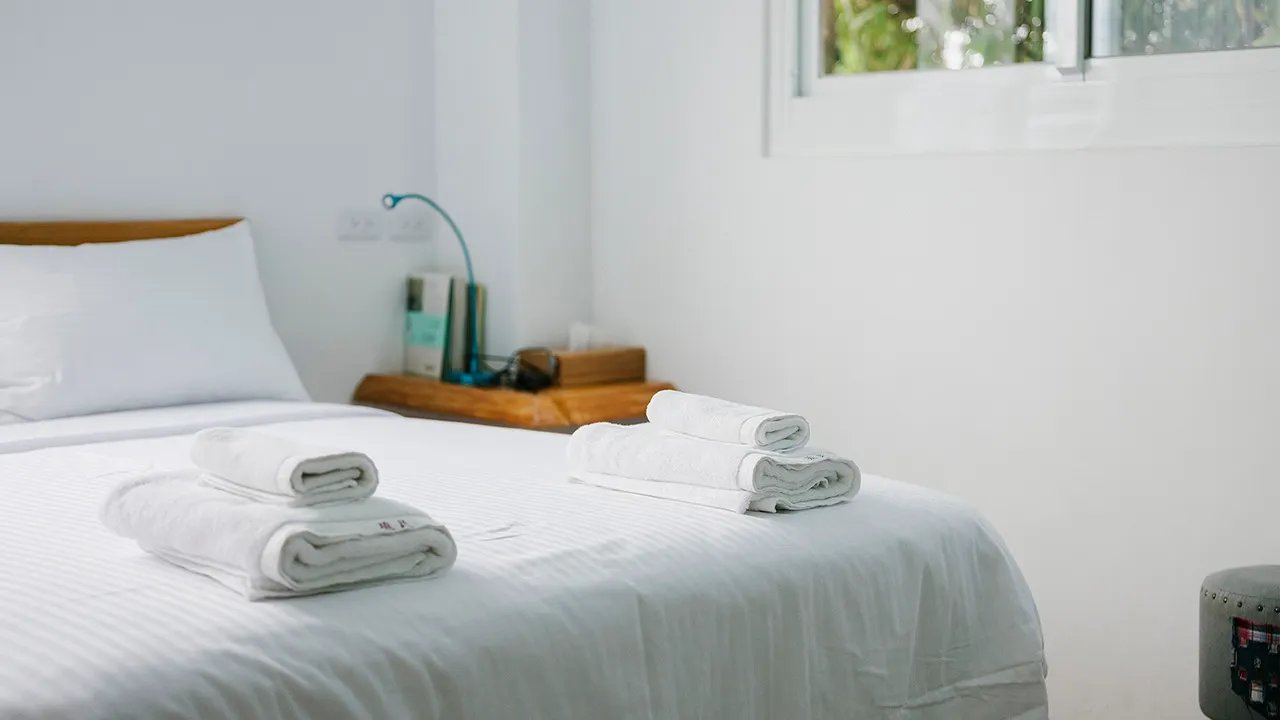
Airbnb is significantly tightening its oversight of host-imposed “checkout chores,” a move that marks a major shift in how the vacation rental giant manages the guest experience. In an effort to reduce friction and eliminate the “cleaning fee paradox”—where guests pay a service premium only to be tasked with laundry and dishwashing—the company is formalizing a stricter set of house rules that will apply to all reservations made on or after November 20, 2026.
This policy update represents a broader attempt by Airbnb to leverage its platform’s infrastructure to standardize hospitality expectations. By curbing what it deems “unreasonable” requests, the company is using its digital ecosystem to create a more consistent, hotel-like experience for travelers who are increasingly cost-conscious and frustrated by post-booking surprises.
## Drawing the Line on Checkout Chores
Under the new guidelines, hosts are strictly prohibited from requiring guests to perform time-consuming cleaning tasks before they depart. This includes stripping linens from beds, washing and putting away dishes, or starting a load of laundry. Instead, the platform is setting a clear baseline: guests may be asked to gather used towels, leave dirty dishes in the sink, or place trash into designated bins, but they should not be treated as unpaid cleaning staff.
The update comes at a time when younger travelers, particularly Gen Z, are stretching their budgets to afford vacations amid a tough economic climate. Airbnb’s data-driven approach suggests that hosts who insist on heavy chores may see their property ratings suffer, as users are increasingly vocal about hidden labor expectations that appear after a booking is confirmed.
## Digitizing Transparency in Host Rules
Beyond cleaning duties, Airbnb is upgrading its platform to enforce transparency. From late 2026, all house rules must be clearly listed within the designated “House Rules” section of a property’s digital profile at the time of booking. This is a direct crackdown on the “surprise fee” culture, where hosts would previously attempt to impose additional requirements via post-booking messages, physical signs inside the unit, or verbal instructions upon arrival.
The platform intends to monitor these policies through its internal review systems. AI-driven compliance checks will scan listings for prohibited tasks; hosts who violate these rules will receive notifications and guidance on how to adjust their policies. Persistent offenders may face penalties, including reduced visibility in search results or, in extreme cases, removal from the platform.
## Context-Specific Exceptions and Future Compliance
Recognizing that not all vacation rentals are identical, Airbnb is building flexibility into its update. Properties located in wilderness areas, such as regions populated by bears, will remain exempt from certain trash-handling restrictions, allowing hosts to mandate the use of wildlife-proof containers. Similarly, homes in drought-prone areas will be permitted to enforce reasonable constraints on water usage, such as shower time limits.
To help hosts transition, Airbnb has also streamlined its house rules into seven simple categories, including quiet hours, pet policies, and commercial photography restrictions. While the company is siding with guests on the “checkout chore” debate, it continues to uphold the importance of host-guest communication. Hosts retain the right to cancel bookings if guests explicitly refuse to follow established house rules, and they can continue to report behavior that violates the platform’s core terms of service.
By centralizing these policies, Airbnb is attempting to use its dominant market position to protect its brand, ensuring that as long-term homeownership remains out of reach for many, the “vacation dream” remains both affordable and stress-free.
Disclaimer: This content is auto-generated for informational purposes only.
Source: Read Original News