






The Algorithmic Pivot: Balancing Engagement and Responsibility
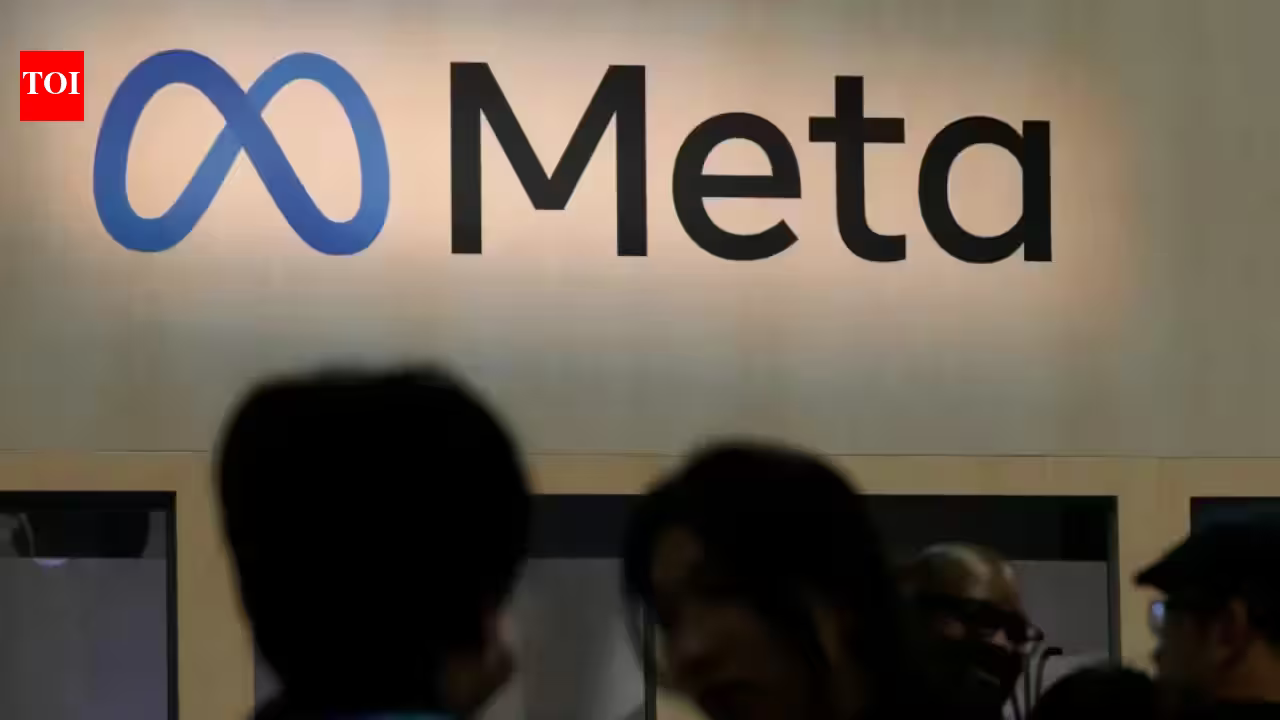
The digital landscape in India is undergoing a transformative shift as tech giants recalibrate their relationship with government oversight and user safety. Meta’s recent decision to modify Instagram’s recommendation systems serves as a pivotal case study in how global platforms are being forced to refine their automated content-delivery mechanisms. By prioritizing the reduction of sexually suggestive and violent content in feeds, Meta is not merely engaging in internal policy refinement; it is responding to a rigorous demand from the Indian government to maintain public order and protect the digital ecosystem.
This move reflects a broader transition in the business model of social media. For years, platforms functioned on the principle of maximizing user engagement, often relying on algorithms that prioritized high-stimulation content to keep users glued to their screens. However, in the Indian market, where the scale of user adoption is unprecedented and the socio-political context is highly sensitive, this “engagement at all costs” approach has met resistance. The current regulatory environment emphasizes that recommendation systems are not neutral pipelines; they are active curators that exert significant influence over national discourse and child safety.
Regulatory Pressure and the Erosion of Safe Harbour
The Indian Ministry of Electronics and Information Technology (MeitY) has signaled a firm shift toward increased platform accountability. The advisory issued in October specifically targeted the amplification mechanics of recommendation engines. By asking Meta to address the disproportionate promotion of manipulated, misleading, or radical content, the government is essentially holding platforms responsible for the output of their algorithms.
From a legal standpoint, this represents a significant challenge to the “safe harbour” protections that have traditionally shielded intermediaries from liability for content posted by third parties. The government’s stance is clear: when an algorithm actively chooses to promote or amplify a post, the platform is no longer acting as a passive host. Instead, it is performing an editorial function. This distinction effectively raises the threshold for what constitutes a compliant intermediary under Indian law. For companies like Meta, the cost of non-compliance is not merely reputational—it is the potential loss of legal protections, which could expose the corporation to widespread litigation and regulatory penalties.
The Complexity of Algorithmic Governance
Meta’s decision to adjust its systems without imposing a blanket ban highlights the inherent complexity of content moderation at scale. A blanket ban is often blunt, potentially suppressing legitimate free expression or artistic content. By focusing on the “recommendation” aspect, Meta aims to preserve the platform’s utility while curbing the reach of harmful material. However, this creates a formidable technical challenge. Building an algorithm that can distinguish between high-quality content and “engagement-bait” that borders on the violent or suggestive requires massive investments in artificial intelligence and human review processes.
In the Indian context, this requires linguistic and cultural nuance. The country’s vast linguistic diversity means that content moderation systems must be trained to recognize regional dialects, cultural metaphors, and emerging trends that might incite public disorder. As Meta continues to improve its proactive detection rates—claiming that 98% of harmful material related to child exploitation is now caught before being reported—it is clear that the company is shifting its capital expenditure toward security and safety infrastructure. This shift is essential to maintain the trust of both the regulator and the user base in a market that remains one of Meta’s largest by total user count.
Market Insights and User Sentiment
For businesses operating in India, the implications of these changes are profound. Instagram is not just a social network; it is a vital commerce hub for millions of small enterprises, influencers, and brands. When the recommendation engine shifts its focus, the visibility of content changes overnight. Brands that rely on viral, high-stimulation content to drive discovery may find their reach impacted if their content strategies do not align with these stricter guidelines.
Simultaneously, there is a segment of the user base that has expressed concerns regarding the “filter bubble” effect, where algorithms narrow the breadth of information a user encounters. The government’s focus on preventing the “disproportionate exposure to a single narrative” echoes these concerns. Businesses and content creators must now adapt to a new reality where quality and safety are prioritized over raw viral metrics. This evolution could ultimately lead to a healthier ecosystem where long-term brand equity is favored over short-term spikes in engagement.
Institutional Scrutiny and Future Prospects
The involvement of bodies such as the National Commission for Protection of Child Rights (NCPCR) underscores the intensity of the scrutiny Meta faces. When executives are called to testify before panels, it signifies that social media regulation has moved from the peripheral to the core of national policy. The future of Meta’s operations in India will likely be defined by a delicate balance between global product standards and localized regulatory mandates.
Looking ahead, we can expect a more collaborative—or at least more transparent—relationship between tech platforms and the Indian state. Meta’s move to tweak its recommendations is a concession that it can no longer operate as an autonomous actor in the digital space. The company’s success will depend on its ability to prove that its systems are not just compliant with Indian law, but are actively working to curate a safer digital experience.
For the broader digital industry, this trend serves as a warning. The era of unchecked algorithmic growth is waning. As India leads in setting a precedent for digital governance, other emerging markets will likely look to these outcomes to form their own policies. Companies that embrace proactive compliance and algorithmic transparency will likely emerge as more sustainable, trusted participants in the market, while those that resist will continue to face the brunt of state intervention. The transformation of Instagram’s feed is therefore not just a technical update; it is a manifestation of a new corporate responsibility mandate in the age of algorithmic dominance.
Disclaimer: This content is auto-generated for informational purposes only.
Source: Read Original News