







Amazon is the latest grocery retailer to fall foul of the new restrictions on advertising products high in fat, sugar or salt (HFSS) after one of its paid-for social media posts featured a Cadbury Easter egg.
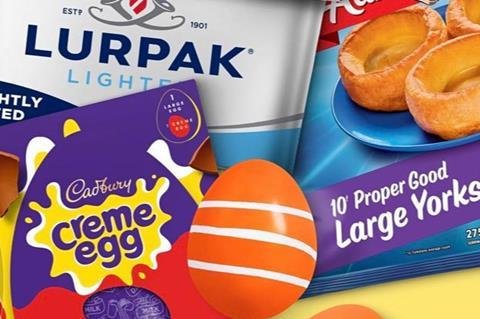
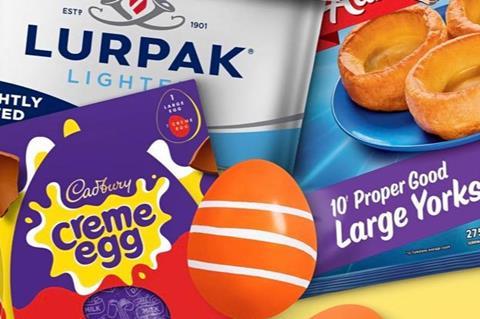
The Advertising Standards Authority ruling centred around a paid-for ad on Instagram for Amazon Fresh UK, which was seen on 19 March 2026, featuring a tub of Lurpak Lighter Slightly Salted butter, a pack of Aunt Bessie’s Proper Good Large Yorkshires and a large Cadbury Creme Egg Easter egg.
The text read: “Your big Easter grocery shops. All delivered same-day Amazon Fresh.”
Youth activist group Bite Back challenged whether this was a paid ad for an identifiable less healthy food product placed on the internet, going against the new HFSS advertising rules, which came into force on 5 January 2026.
These rules apply to some food and drink products high in fat, sugar or salt, also referred to as ‘less healthy’ foods, as defined using the government’s current nutrient profiling model.
In assessing the advert, the ASA said that although the ad itself was for Amazon Fresh, consumers could also “reasonably be expected” to identify that the ad was also “for the three specific products depicted”.
Of the three products shown, only the Cadbury Creme Egg Easter egg could be classified as a ‘less healthy’ food. Lurpak Lighter Slightly Salted butter and Aunt Bessie’s Proper Good Large Yorkshires do not fall within one of the food or drink categories set out in law, while the Cadbury egg fell under the category “confectionery including chocolates and sweets”.
Amazon Fresh confirmed the Easter egg shown in the ad was classified as a ‘less healthy’ food and said the advert, which formed part of their Easter 2026 ad campaign, was run in error. The retailer says it has since reinforced its compliance checking process regarding HFSS foods and those foods in a ‘less healthy’ product category.
The ASA ruled the ad must not appear again in its current form.
Lidl and Iceland were the first businesses to break the junk food ad ban, which came into force at the start of the year. In April, the ASA ruled that both retailers had breached the guidance by advertising baked goods and sweets. CEO Guy Parker said at the time that in judging whether the new rules have been broken, ”the devil is in the detail of the law”, adding that “the content and context of ads matter”.
The Grocer Health Summit 2026 is helping the industry turn healthy eating insight into action. Covering everything from regulation to reformulation and science to strategy, the one-day conference will be taking place on Tuesday 15 September 2026 at the QEII Centre in London.
Visit to book your tickets and find out more.