









The Evolution of the iPhone Air Series
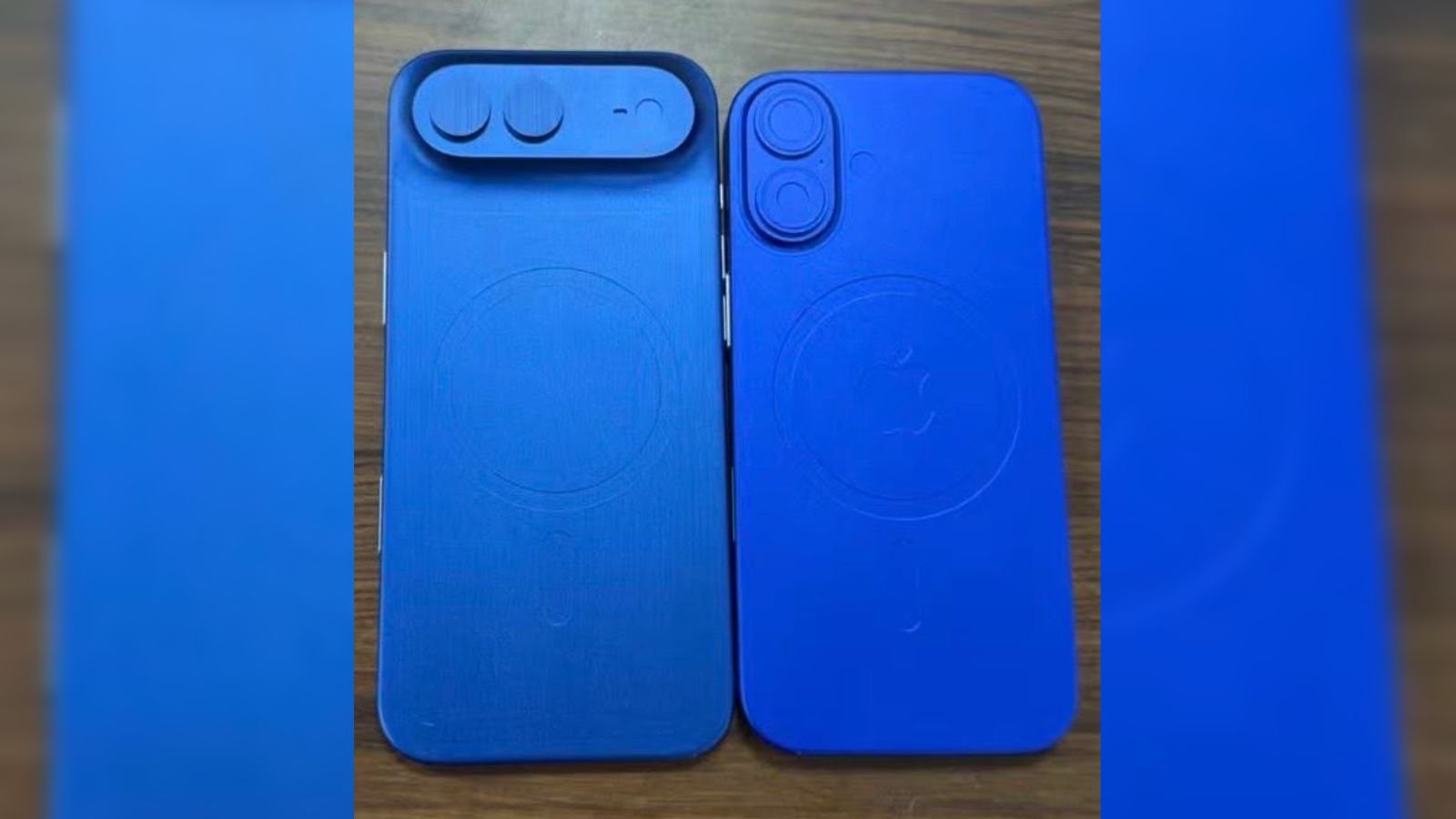
The landscape of mobile hardware is undergoing a subtle but significant transformation as leaked dummy models provide a glimpse into the future of Apple’s product lineup. Recent industry reports have unveiled early physical representations of the upcoming iPhone Air 2, alongside the anticipated iPhone 18. These models indicate a strategic recalibration of how Apple segments its hardware, particularly regarding internal architecture and external physical design.
The iPhone Air concept represents a departure from the traditional “Pro” and base-level handsets. By focusing on a slimmer form factor while maintaining high-performance standards, the series attempts to bridge the gap between portability and processing power. The dummy models surfacing in the supply chain suggest that the second iteration of this device will lean into a dual-camera array. While professional-grade devices often emphasize triple-lens systems for telephoto capabilities, the dual-lens configuration on the iPhone Air 2 suggests a focus on the most commonly utilized focal lengths: a primary wide sensor and an ultra-wide sensor. This design choice implies that Apple is prioritizing a streamlined silhouette and reduced weight, targeting users who value mobility over extreme zoom features.
Technical Specifications and Camera Architecture
The dual-camera system visible in the iPhone Air 2 dummy models is noteworthy for its potential integration with advanced computational photography software. Even without a dedicated periscope zoom lens, the combination of a high-resolution primary sensor and a wide-angle lens allows for sophisticated pixel binning and image processing. If these dummy models accurately reflect the final production units, the iPhone Air 2 will likely rely on a singular, high-performance image signal processor capable of handling heavy workloads without requiring the physical bulk associated with larger camera bumps.
Furthermore, the physical dimensions of these dummy models suggest a continued commitment to thin-film transistor technology and highly efficient display stacks. The reduced internal volume leaves less room for thermal dissipation, which points toward the use of an even more efficient 3-nanometer or 2-nanometer chipset. This move would ensure that the device does not sacrifice sustained performance despite its slender profile. By narrowing the camera housing and minimizing protruding elements, the iPhone Air 2 is expected to offer a more uniform tactile experience, reducing the wobble often associated with modern smartphones when placed on flat surfaces.
The iPhone 18 and Future Hardware Standards
Beyond the Air series, the sighting of an iPhone 18 dummy model signals that long-term hardware development is accelerating. While the iPhone 18 is likely in its nascent stages of testing, its presence in early manufacturing leaks provides insights into the next generation of industrial design. Historically, odd-numbered series often represent evolutionary improvements, whereas even-numbered iterations—such as the upcoming 18—frequently introduce refined chassis materials or significant shifts in sensor placement.
The dummy unit indicates that Apple continues to experiment with titanium alloy frames, potentially testing new surface treatments for durability. By refining the structural integrity of the frame, the company aims to offset the weight of larger batteries required for next-generation artificial intelligence processes. The iPhone 18 is expected to lean heavily into integrated machine learning hardware, necessitating a motherboard layout that optimizes power delivery to the Neural Engine while managing heat dissipation across the entire logic board.
Impact on Supply Chain and Manufacturing
The appearance of these dummy models serves as a barometer for Apple’s manufacturing readiness. Creating physical representations of devices is a critical step in calibrating CNC machines and assembly line robotics. For the iPhone Air 2, the production of these models indicates that the tooling for the chassis is near completion. This step is essential for ensuring that third-party accessory manufacturers—such as case makers and screen protector producers—have the dimensions necessary to support the devices upon launch.
For the broader tech ecosystem, these leaks reveal that Apple is moving toward a more diversified product hierarchy. Rather than offering a one-size-fits-all approach, the inclusion of the Air line alongside the standard and “Pro” versions suggests that the company is responding to consumer demand for high-end hardware that is physically easier to carry. The move also helps in yield management; by producing an Air model, Apple can more efficiently utilize silicon that may not meet the extreme power specifications required for the Pro models but is still highly capable for general usage.
Strategic Implications for Mobile Connectivity
Looking ahead, the inclusion of updated antenna arrays in the iPhone Air 2 and iPhone 18 dummy models hints at advancements in wireless communication. Modern smartphones are increasingly limited by the physical space available for 5G, Wi-Fi 7, and satellite communication components. The design challenges presented by the ultra-thin Air 2 force engineers to innovate with modular antenna placement. If these devices succeed in providing robust signal reception despite their thinness, it will set a new industry standard for antenna miniaturization.
Furthermore, the standardization of these components across the lineup allows Apple to lower the cost of assembly through scale. As these models move from the factory floor to the final production stage, the focus will remain on the synergy between the hardware architecture and the operating system. By aligning the physical design of the iPhone Air 2 with the processing capabilities of the internal components, the company is positioning itself to maintain a competitive advantage in a market that is increasingly saturated with modular and foldable technologies. These leaks underscore a period of careful refinement, where the focus is not merely on adding features, but on optimizing the existing form factor for efficiency and user comfort.
Disclaimer: This content is auto-generated for informational purposes only.
Source: Read Original News