







Advancing Transparency in Digital Imagery
The release of iOS 27.2 marks a significant milestone in how mobile operating systems handle the provenance of digital media. Apple has officially integrated SynthID, a sophisticated watermarking technology originally developed by Google DeepMind, into its ecosystem. This deployment targets both generative AI imagery created via Image Playground and specific photographic modifications performed through the Apple Intelligence suite. By embedding digital signatures directly into the pixel data of an image, Apple is taking a concrete step toward distinguishing human-captured photography from machine-generated or significantly AI-altered visual content.
Unlike traditional watermarking methods that rely on embedded metadata—which can be easily stripped by basic file editing or social media compression—SynthID functions at a deeper technical level. It embeds a subtle, imperceptible signal into the image signal itself. This approach is engineered to remain intact even when the image undergoes common post-processing tasks, such as cropping, color adjustment, or lossy compression. This robustness ensures that the provenance of the content remains verifiable long after the initial generation, providing a more reliable mechanism for digital authentication.
How SynthID Functions Within iOS
The technical implementation of SynthID in the latest iOS update focuses on the delicate balance between utility and visual fidelity. Because the watermark is applied at the pixel level, it is designed to be invisible to the human eye, ensuring that the visual experience of the photograph remains pristine. Apple has optimized the integration so that the watermark does not degrade the color accuracy, contrast, or resolution of the output.
When a user utilizes the Image Playground tool to generate visual assets, the system automatically applies the SynthID signature during the rendering process. For Apple Intelligence-driven edits within the Photos application—such as the Extend and Reframe features—the watermark is applied as part of the composition workflow. This consistency ensures that any content produced through these specific AI-assisted workflows carries a verifiable identifier. The persistence of this signature is crucial, as it provides a standardized way for digital platforms and verification tools to flag content that deviates from standard camera-captured output.
Impact on Creative Tools and Editing
The behavior of SynthID within the Photos application provides an interesting case study in how AI-augmented editing is being monitored. Tests indicate that the application of these watermarks is not necessarily a binary, constant occurrence. While all generative outputs from Image Playground carry the watermark, the application of watermarks during the use of the Clean Up tool—which removes objects or background elements—appears to be scale-dependent.
Observations suggest that smaller, minor edits to a photograph may not always trigger the insertion of a SynthID watermark. However, as the scope of the edit increases—such as removing large segments or significantly altering the composition of the frame—the system defaults to inserting the identifier. This nuanced approach suggests that Apple is distinguishing between minor touch-ups, which are traditionally accepted in digital photography, and major generative transformations that fundamentally alter the content of the image. This distinction is vital for maintaining user privacy while simultaneously upholding the integrity of media records.
Verification and the Future of Digital Provenance
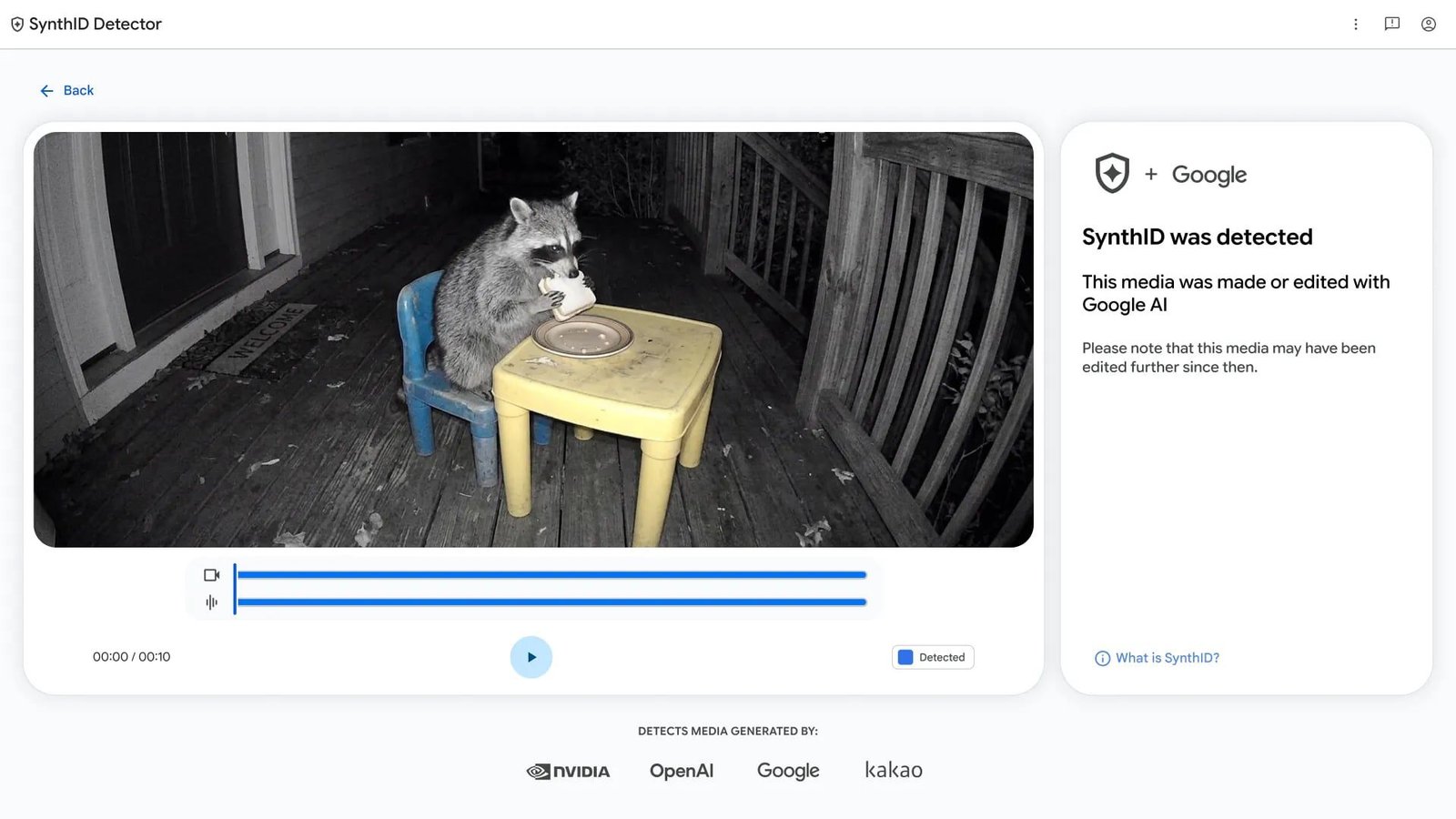
One of the limitations of the current implementation is the lack of native, on-device detection for the average user. At this stage, iOS does not provide an automated alert or notification system that identifies an image as “AI-generated” or “AI-modified” within the interface. To confirm the presence of a SynthID watermark, users must rely on external infrastructure, specifically the dedicated SynthID Detector web portal. By uploading an image to this service, one can confirm whether the file contains the embedded digital signature.
This separation of production and detection highlights the ongoing collaborative effort across the technology industry. SynthID is not an isolated tool but part of a broader, interoperable framework supported by entities like OpenAI, Google, and Apple. The goal is to establish a cross-platform standard that can combat misinformation and provide transparency. As generative models become more pervasive, these invisible identifiers serve as a critical layer of defense, allowing media platforms to programmatically identify AI-generated assets and provide context to viewers.
Broader Implications for Media Integrity
The integration of SynthID into iOS 27.2 is reflective of a wider industry trend toward responsible AI deployment. By normalizing the use of pixel-level watermarks, Apple is acknowledging that the ability to synthesize high-quality images brings the responsibility of ensuring that such images are labeled accurately. This initiative is particularly relevant in an era where synthetic media is increasingly indistinguishable from reality.
As developers continue to refine these algorithms, the survival rate of the watermarks against adversarial attacks—such as sophisticated attempts to remove or overwrite the digital signature—will become the next area of intense focus. For now, the rollout represents a proactive measure that balances the creative potential of AI with the need for digital accountability. As user awareness grows and detection tools become more integrated into social and professional platforms, the presence of SynthID will likely become a standard indicator of authenticity in the digital landscape.
Disclaimer: This content is auto-generated for informational purposes only.
Source: Read Original News