








Japan Cricket CEO Addresses Logistical Concerns Ahead of Asian Games
NEW DELHI: With the excitement surrounding cricket’s inclusion in the upcoming Asian Games mounting, questions regarding infrastructure and player welfare have taken center stage. Naoki Alex Miyaji, CEO of the Japan Cricket Association (JCA), has stepped forward to clarify the logistical arrangements, assuring participating nations that while standardized housing is provided, teams retain the autonomy to seek alternative accommodations.
The discourse follows a recent Asian Cricket Council (ACC) meeting, where several leading cricketing nations voiced concerns over the distance between the designated athlete hotel and the Korogi Sports Park in Aichi Prefecture, which is set to host the matches.
Clarifying the Scope of Responsibility
Miyaji emphasized that the JCA’s role is primarily supportive, as the event is managed by the Aichi-Nagoya Games Organizing Committee (AINAGOC) in partnership with the ACC and the Olympic Council of Asia (OCA).
“The JCA is not directly responsible for all organizational aspects, but I can assure you that all parties are working tirelessly to ensure the success of cricket at the Games,” Miyaji told PTI. “The ACC has been in dialogue with AINAGOC regarding accommodation for a long time, and while hotel options are provided, teams are free to arrange their own lodging if they prefer.”
He further noted that logistical constraints are not unique to cricket, citing that athletes in other sports are being housed in facilities such as cruise ships and specialized container hotels.
Dispelling Myths Regarding Venue Facilities
Addressing reports that player washrooms might be situated nearly half a kilometer from the playing arena, Miyaji offered categorical reassurance.
“Toilets will be available directly within the player area. Both temporary and permanent facilities have been integrated into the venue design,” he explained. Regarding the makeshift dressing rooms, he added that while these structures are temporary, they are being constructed to provide the highest possible level of comfort and utility for officials and athletes alike.
A Venue Built from the Ground Up
The Korogi Sports Park represents a monumental effort by the organizers, who had only 17 months to develop a cricket-specific facility in a region that previously lacked one.
“Given the 17-month timeframe, the progress is remarkable,” Miyaji said. “We have received invaluable support from Sri Lanka Cricket, who provided world-class curators to prepare the turf and hybrid pitches. Despite the tight schedule, I am confident that the field will be the best playing surface ever seen in the history of cricket’s inclusion in the Asian Games.”
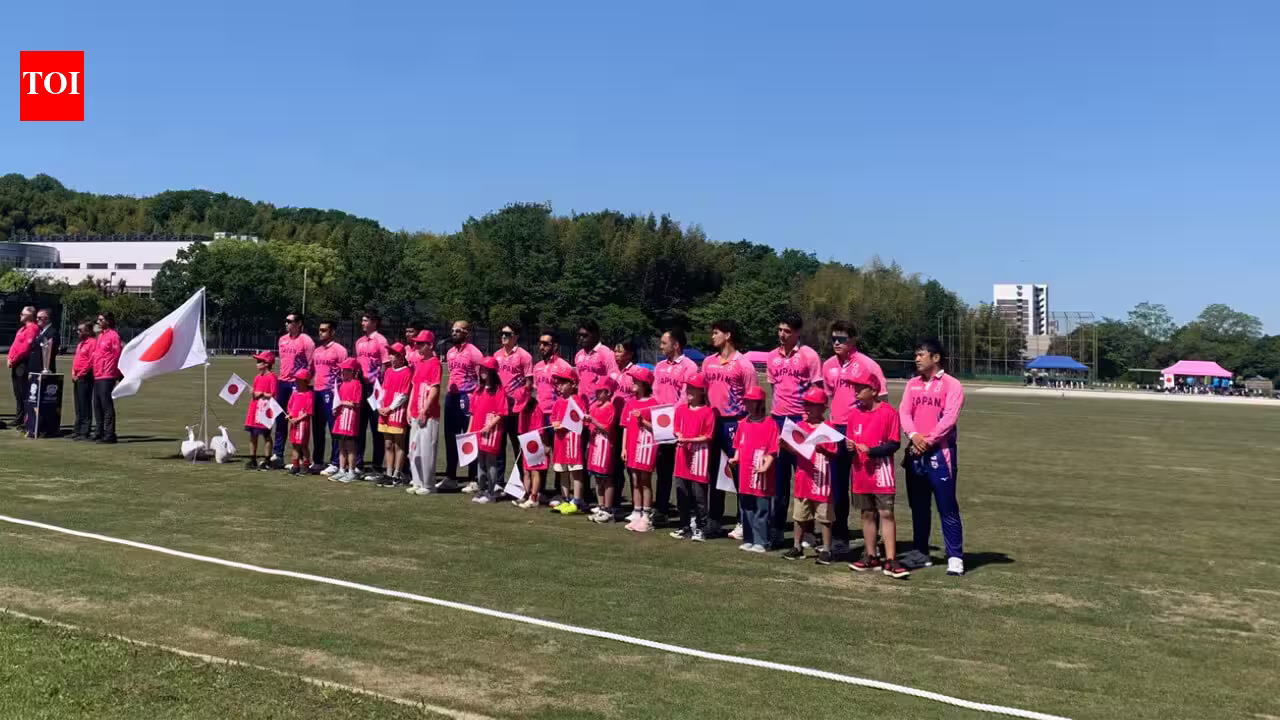
As Japan prepares to host top-tier Asian cricket teams for the first time, the JCA remains focused on fostering local enthusiasm. By taking the sport into schools and shopping centers with the backing of Nisshin City, the association is aiming to ensure that the local community serves as a vibrant backdrop for the tournament.
“Cricket will be one of the marquee events of these Games,” Miyaji concluded. “We are committed to delivering an experience that leaves a lasting legacy for the sport in Japan.”