








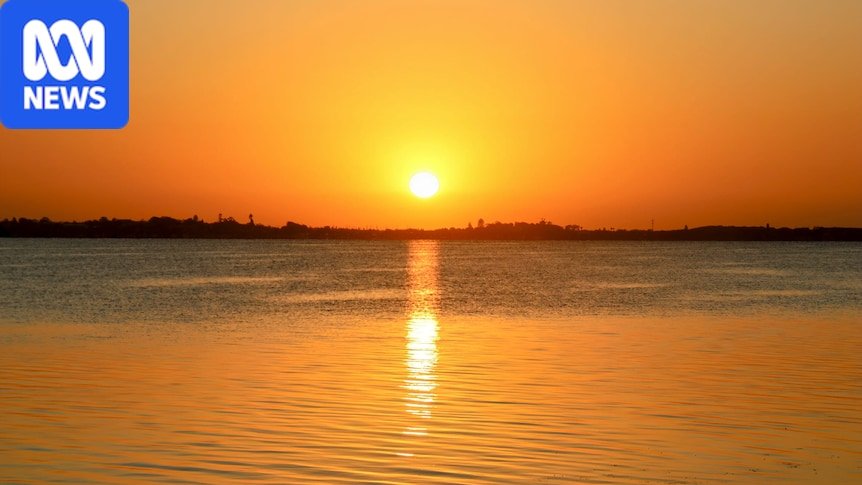
Australians are being urged to prepare for a grueling summer as the Bureau of Meteorology (BOM) confirms that almost the entire continent is expected to experience above-average temperatures. Driven by a strengthening El Niño and the compounding effects of global warming, the seasonal outlook paints a stark picture of the months ahead.
BOM climatologist Qian Zhou stated that with the exception of a small stretch of coastline near Exmouth in Western Australia, the nation faces an increased probability of recording unusually high maximum temperatures.
“Especially for parts of the far north, western, and far east of Australia,” Ms. Zhou said. The forecast identifies the most extreme heat risk for northern Australia, eastern Tasmania, and the region surrounding Port Macquarie on the New South Wales coastline.
The outlook also warns of warmer nights, with a high likelihood of minimum temperatures sitting in the top 20 per cent for the season across most regions. Drier conditions are expected to accompany the heat, particularly in Tasmania and the coastal areas of the Kimberley and Pilbara.
The impending summer has also prompted the release of a concerning Seasonal Bushfire Outlook for Victoria. Authorities have flagged increased risks for the state’s north-west, west, and far east Gippsland. Following a period of above-average rainfall, extensive grass and crop growth has created a high fuel load, which experts fear will ignite during expected bouts of hot, dry, and windy weather.
While the majority of the country braces for heat and dry spells, the forecast is not uniform. Southern Queensland and north-eastern New South Wales are in line for extreme rainfall, particularly throughout December, with officials warning that regions with already saturated catchments could face the threat of flash flooding.
This weather volatility arrives against a backdrop of record-breaking global heat. October was the warmest month on record for global sea surface temperatures, with anomalies in the Gulf of Carpentaria and the Coral Sea reaching 2 degrees Celsius above average. International models now predict that 2026 will exceed 1.5 degrees of warming above pre-industrial levels, a threshold climate scientists have long warned would bring more frequent and intense weather disasters.
Public health officials are sounding the alarm, cautioning that extreme heat is a significant and often fatal medical risk. Dr. Ramya Raman, president of the Royal Australian College of GPs, warned that heat should not be viewed merely as a weather event.
“It can have quite significant public health issues, causing heat-related illnesses and deaths that are often preventable,” Dr. Raman said. She noted that extreme heat kills more Australians annually than any other hazard, and the risks are escalating. Even fit, young individuals are susceptible when the body’s cooling mechanisms are overwhelmed, she added, citing cases where heat stress led to severe complications including kidney damage.
With international studies linking hundreds of thousands of annual deaths to heat-related causes exacerbated by climate change, health experts are urging Australians to take precautions this summer to mitigate the life-threatening impact of the season.
Disclaimer: This content is auto-generated for informational purposes only.
Source: Read Original News