









Climate Controversy as Australia’s New Environment Agency Approves First Coal Mine Extension
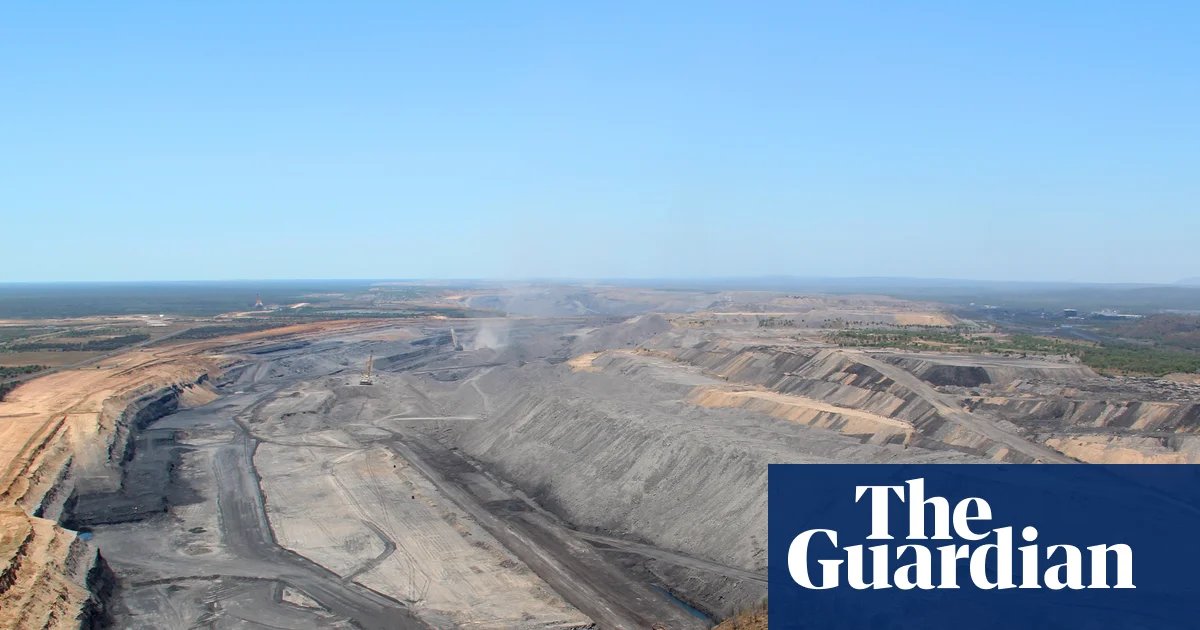
CANBERRA — Australia’s newly established national environmental watchdog has sparked a fresh wave of climate criticism after granting approval for the extension of a major Queensland coal project, allowing mining operations to continue until 2055.
The National Environmental Protection Agency, which commenced operations on July 1 following a major overhaul of national environmental laws, confirmed it has greenlit an expansion for the BHP Mitsubishi Alliance (BMA) Saraji mine. The approval permits the extraction of an additional 55 million tonnes of coal, intended for global steel production, over the next three decades.
A Balancing Act or “Double Talk”?
The decision comes at a politically sensitive time, occurring just days after Prime Minister Anthony Albanese attended the Pacific Islands Forum. At the summit, Mr. Albanese emphasized that the “entry fee for credibility” on the global stage is taking climate change seriously. He further dismissed suggestions of tension between Australia and Pacific leaders regarding the country’s significant fossil fuel exports, asserting that regional neighbors understand the complexities of a gradual energy transition.
However, environmental advocacy groups have labeled the approval an “affront” to Pacific nations, which face existential threats from rising sea levels.
Ben McLeod, a senior adviser at the Climate Council, questioned the consistency of the government’s stance. “The prime minister said the entry fee for the forum was taking climate change seriously, but then we get this approval of 55 million tonnes of coal. It is hard to see how those two things are compatible,” McLeod said.
He noted that burning the coal extracted from this project will release an estimated 120 million tonnes of CO2 into the atmosphere—a significant figure when compared to Australia’s current total annual emissions of 455 million tonnes.
Environmental Impact Concerns
The project’s approval is not without conditions. The agency stated that BMA must adhere to strict environmental safeguards to protect water resources and biodiversity. These conditions place caps on the destruction of habitat for several threatened species, including the koala, the vulnerable ornamental snake, and the squatter pigeon.
Despite these stipulations, conservationists argue the damage is irreversible. Dr. Coral Rowston, director of Environmental Advocacy Central Queensland, warned that the extension will place critical pressure on the Fitzroy River catchment and further jeopardize species already teetering on the brink of extinction.
The Debate Over Emissions
Greenpeace Australia Pacific has tallied the Saraji extension as the 37th fossil fuel project approved under the current administration, accusing the government of “double talk.” Dr. Simon Bradshaw of Greenpeace remarked that it is “deeply insincere” for the government to fast-track fossil fuel production while concurrently discussing regional climate security with Pacific leaders.
In its defense, a government spokesperson emphasized that the new EPA acts as an independent regulator and represents a “cornerstone” of the government’s commitment to environmental reform. The government also pointed to its “safeguard mechanism,” which requires the nation’s largest emitters to reduce their carbon footprints.
However, critics point to a fundamental flaw in the government’s argument: the safeguard mechanism does not account for the “Scope 3” emissions—the pollution created when Australian coal is burned by customers overseas.
As the world continues to debate the path to net-zero, this landmark decision by the newly formed National Environmental Protection Agency underscores the deepening divide between Australia’s economic reliance on coal exports and its international climate pledges.