








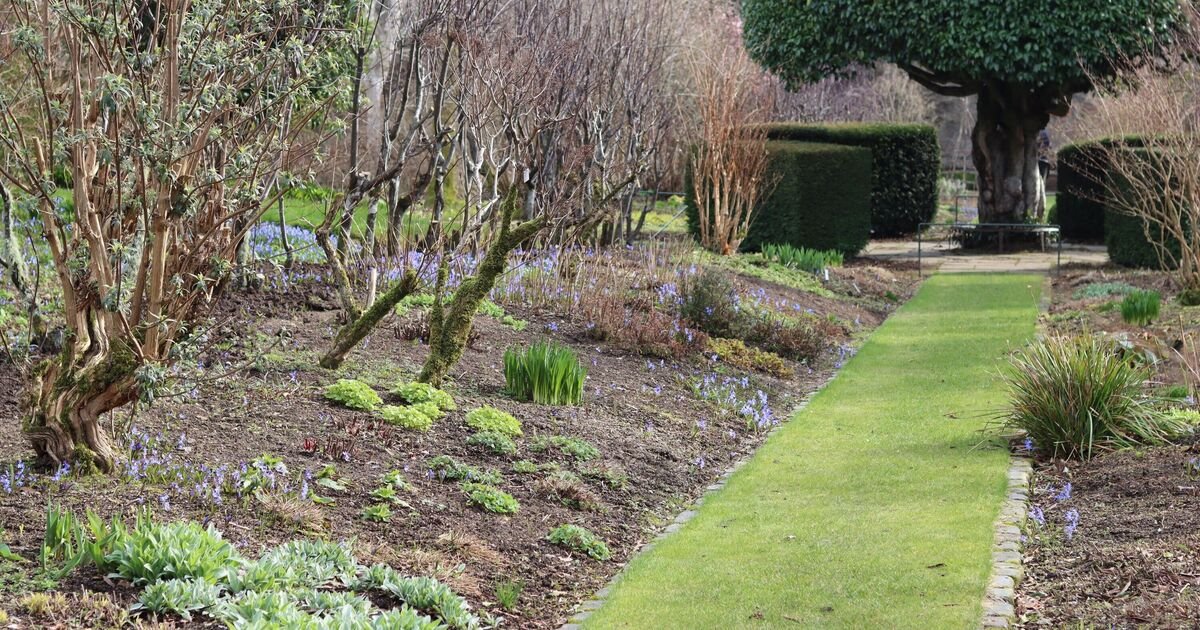
The air has turned sharp, the frost is creeping onto the grass, and those cozy evenings indoors are starting to feel like the default setting for the next few months. It is easy to look out at the garden, see the gray skies, and decide that your outdoor space is now strictly a “do not disturb” zone until the daffodils poke their heads through in spring. But if you want a lush, thriving yard when the sun finally makes its return, the work you put in right now is worth its weight in gold.
Preparing your garden for the freeze is not just about keeping things tidy; it is about setting the stage for success. Think of it as putting your garden to bed for a long, well-deserved nap. Here is how you can protect your green sanctuary while staying warm and dry yourself.
Tidying Up for a Healthier Spring
Before the ground hardens, take a quick walk through your flowerbeds. It is tempting to leave everything exactly as it is, but clearing away dead annuals, stubborn weeds, and any fallen fruit or decaying vegetables is a game-changer. These scraps are prime real estate for pests and diseases that love to hide out during the colder months.
While you are clearing, be selective. You do not need to strip the garden bare. Many perennials actually benefit from being left alone; their dried stems can look quite sculptural against a winter sky and provide a safe haven for local wildlife. If it looks like a dead stick, snip it. If it still has some character, let it stand. Your local birds will thank you for the extra cover.
Feeding the Earth Beneath Your Feet
We often focus on the plants we see, but the real magic happens underground. The soil is the engine of your entire outdoor space, and it deserves a bit of love before the temperatures plummet. Adding a generous layer of well-rotted manure or homemade compost is the equivalent of a warm, nutrient-dense blanket for your garden beds.
If you have patches of bare soil, do not leave them exposed to the biting wind and harsh rain. Covering these spaces with wood chips, straw, or leaf mould acts as a natural insulator. This simple step keeps the soil temperature more stable, prevents the surface from crusting over, and does a great job of suppressing those early spring weeds that seem to sprout overnight.
Safeguarding Your Potted Treasures
If your patio is filled with containers, those pots are the most vulnerable parts of your garden. A frozen pot can crack, and the roots inside are far more susceptible to the cold than those planted in the deep, insulating earth. Whenever possible, move your more delicate containers to a porch, a greenhouse, or even against the sunniest wall of your house to give them a bit of extra shelter.
For those large, heavy pots that are simply too big to move, try grouping them together. This creates a tiny microclimate where the plants can support each other. If a cold snap is forecast, a quick wrap of horticultural fleece or even a bit of bubble wrap around the pot itself can prevent the roots from freezing solid. It might not look like a high-fashion accessory, but your plants will surely appreciate the extra layer of warmth.
Winterizing Your Garden Infrastructure
Finally, spare a thought for your plumbing. It is a classic mistake to forget about the garden taps until you go to fill a watering can and find a pipe that has burst under the pressure of ice. Make sure to drain and insulate any exposed pipes and outdoor taps. If you have water butts, keep an eye on them. If they are full to the brim, the water expanding as it turns to ice can crack the plastic. Empty them out or ensure there is enough space for the water to expand safely.
Taking these small steps now will save you a massive headache later. By investing a few weekends into these tasks, you can head back inside with a clear conscience, knowing your garden is tucked in tight and ready to wake up refreshed the moment the first sign of spring appears.
Disclaimer: This content is auto-generated for informational purposes only.
Source: Read Original News