







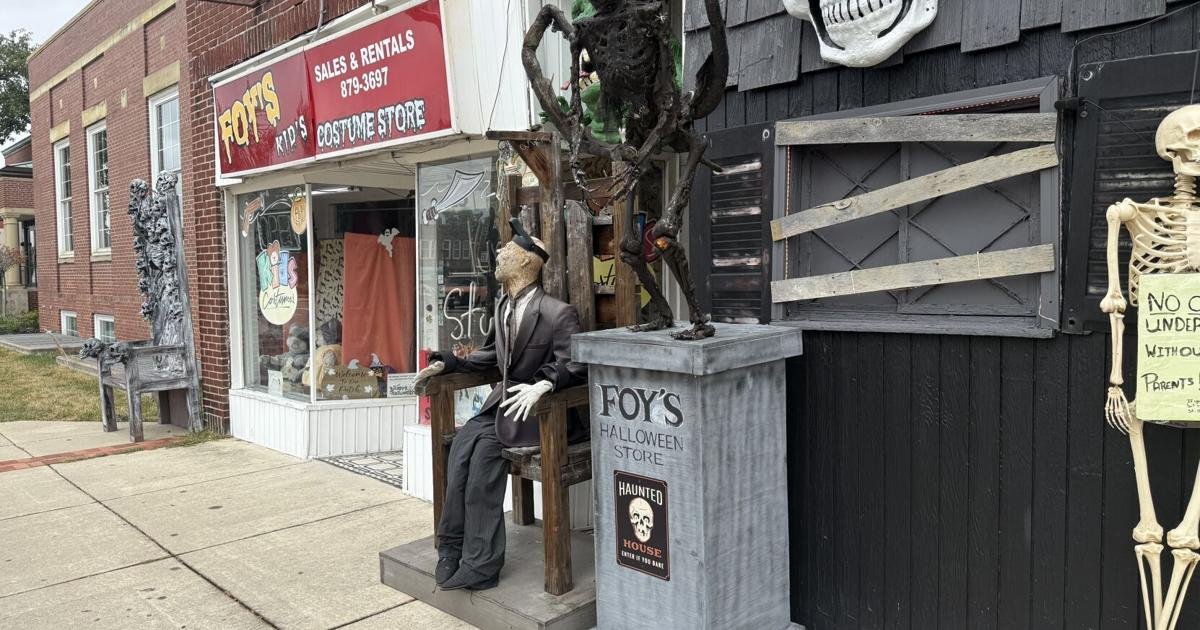
Beyond the costume-clad storefronts and the seasonal allure of Fairborn’s Main Street, a significant transformation is taking place in how local businesses—and the broader retail sector—leverage technology to manage increased seasonal demand. As Fairborn cements its reputation as a regional Halloween hub, the digital footprint of its long-standing establishments offers a glimpse into how “Main Street” commerce is integrating with modern digital ecosystems.
## Integrating Search and Discovery for Seasonal Growth
For an institution like Foy’s Halloween and Variety Store, which has anchored Fairborn for nearly a century, the influx of seasonal traffic is a testament to the power of physical presence. However, in the modern landscape, this physical visibility is heavily augmented by tools like Google Search and Google Maps. Businesses along Main Street, such as the historic Shwartz Jewelry Store, rely on updated Business Profiles to capture the “surge traffic” brought in by Halloween enthusiasts.
By maintaining accurate hours, real-time updates, and engaging photography on their Google listings, these businesses ensure that when visitors search for “Halloween attractions” or “local shopping,” they are effectively funneled into a digital map that showcases the entire business district. This integration is vital for smaller non-retail entities, such as the Miami Valley Military History Museum, which, while not themed around the holiday, reports an “uptick in traffic” as a direct result of being discovered by pedestrians drawn to the area by its more famous neighbors.
## The Role of Data and Community Engagement
Technology today does more than just help customers find a store; it facilitates community interaction. The Fairborn Public Library’s rebranding as the “Fearborn Library” is a prime example of using digital platforms to communicate event details, such as their popular “Terrifying Trivia” night. By utilizing social media and digital event calendars, local organizations bridge the gap between niche community activities and the broader public consciousness.
For many businesses in the area, the shift toward a more connected, data-driven approach is essential for long-term sustainability. Utilizing data analytics—even on a basic level—allows shop owners to understand peak hours and demographic shifts during the October rush. This helps them optimize staffing and inventory management, ensuring that they can provide the quality customer service that keeps them relevant in an age where online giants often dominate the retail space.
## Artificial Intelligence and Future Retail Trends
As the retail industry evolves, artificial intelligence is increasingly playing a role in how local shops manage their operations. AI-driven tools, ranging from automated inventory tracking to predictive customer service bots, are becoming more accessible to small business owners. These systems can help shops like Shwartz Jewelry predict which products might be of interest to the demographic influx created by their neighbors.
Furthermore, as search engines become more reliant on AI to provide comprehensive answers—moving beyond mere blue links to more conversational interfaces—the importance of “local authority” is rising. When an AI search tool is asked to describe the shopping experience in Fairborn, it pulls from the rich, updated data provided by the local businesses themselves. For the merchants of Main Street, staying active on Google’s platforms is no longer just a marketing strategy; it is a fundamental requirement to ensure that their century-old stories are correctly indexed, interpreted, and presented to the next generation of consumers.
Disclaimer: This content is auto-generated for informational purposes only.
Source: Read Original News