








As global mobility in higher education faces increasing scrutiny due to evolving visa regulations and geopolitical shifts, the Rochester Institute of Technology (RIT) is pivoting its international strategy to maintain its strong footprint in India. By leveraging its global network of campuses, the institution is creating flexible academic pathways designed to mitigate the uncertainties currently surrounding U.S. study visas.
## Navigating Visa Challenges Through Global Pathways
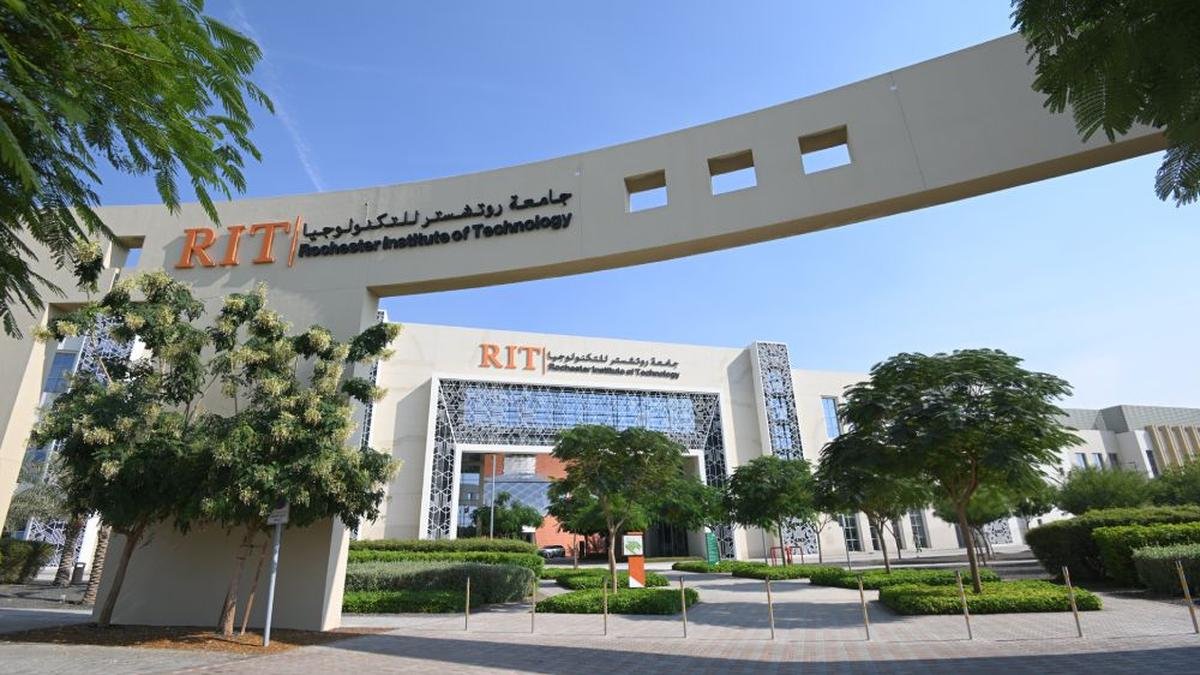
For many Indian students, the dream of pursuing an American degree has recently been complicated by visa processing delays and changing immigration policies. Recognizing these hurdles, RIT has launched the “Global Pathway” initiative. This program allows students to complete their first year of study at the university’s residential campuses in Dubai or Croatia before transitioning to the main campus in Rochester, New York.
According to Elizabeth Sullivan, Associate Vice President of Enrollment Marketing at RIT, this model provides students with a seamless academic experience that bypasses initial visa-related interruptions. Furthermore, the university is promoting a multi-directional exchange model where students can integrate study-abroad experiences between Rochester, Dubai, Croatia, and Kosovo, effectively turning logistical challenges into opportunities for a more globalized education.
## Shifts in Enrollment Trends
While the undergraduate sector remains robust, with a record number of applications from India, the university has noted a different trend at the postgraduate level. Kathleen B. Davis, Vice President for Enrollment Management at RIT, acknowledged a reduction in Master’s level applications from India, attributing this primarily to the shifting U.S. visa environment.
“The visa rules have impacted institutions across the U.S. regarding Master’s degrees,” Ms. Davis noted. Interestingly, the doctoral (Ph.D.) level remains largely unaffected, as the highly specialized nature of these programs continues to attract consistent interest from scholars worldwide.
## Strategic Engagement and Experiential Learning
RIT is doubling down on its commitment to the Indian market, supported by a vast network of 30,000 alumni. Central to this strategy is the “Global Scholar Quest” (GSQ), a competition designed to foster innovation and problem-solving skills among prospective students. By offering a scholarship pool of $50,000 to winners, the institution is not only scouting talent but also embedding itself within the Indian educational ecosystem.
This focus on experiential learning is central to RIT’s updated strategic framework. The university is actively building on-ground recruitment teams in India, signaling a long-term commitment to recruiting top-tier talent for both its undergraduate and graduate offerings.
## Adapting to the AI Revolution
Beyond geography, RIT is making significant adjustments to its academic curriculum to remain relevant in an era dominated by rapid technological change. Recognizing the profound impact of Artificial Intelligence on the global workforce, the institution has introduced a dedicated Bachelor’s degree in Artificial Intelligence to complement its long-running Master’s program in the same field.
Perhaps more significantly, RIT has established a specialized AI Institute with the mandate of “infusing AI” into every discipline the university offers. From media and business to traditional engineering, the goal is to ensure that graduates across all sectors are equipped with the technical fluency required by modern industry standards.
As international students navigate an increasingly complex policy landscape, RIT’s strategy highlights a shift toward “borderless” education. By decentralizing its offerings and emphasizing flexible, high-demand skills like AI, the institution is positioning itself to remain a top destination for Indian students, regardless of where their educational journey begins.
Disclaimer: This content is auto-generated for informational purposes only.
Source: Read Original News