









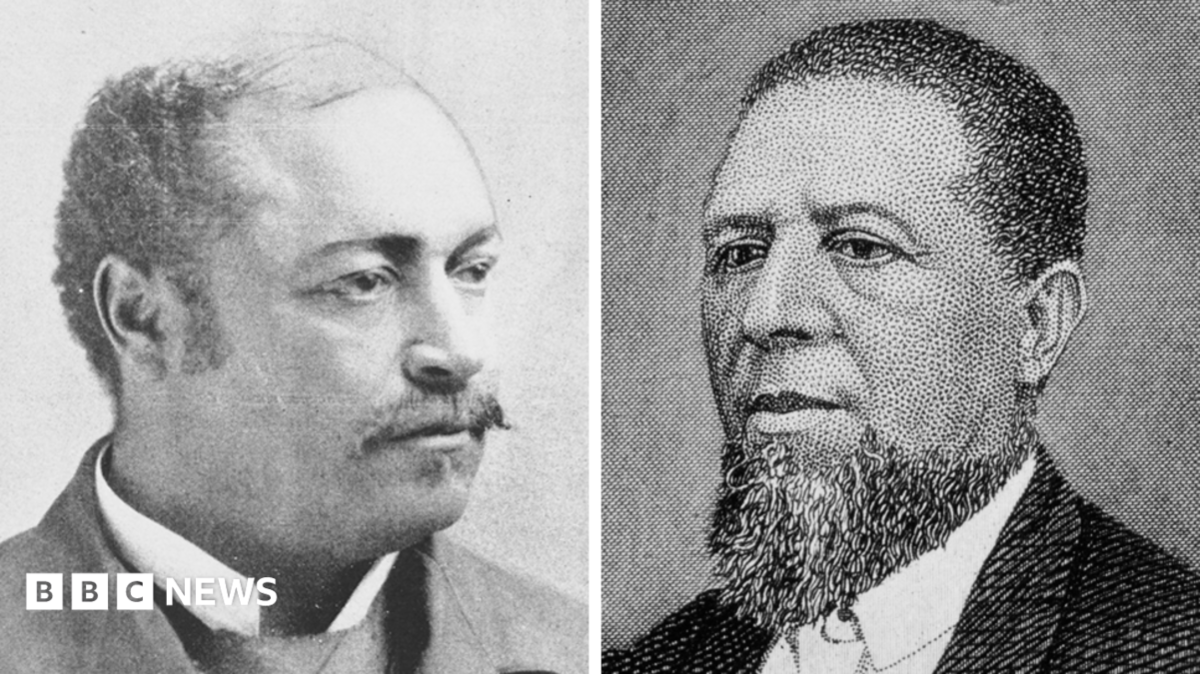
In a landmark electoral result that has reshaped the political landscape of Mississippi, Colom has claimed a decisive victory, fueled by an unprecedented surge in voter turnout among young people and the state’s large black population. The result marks a pivotal moment for the state, with observers noting that the coalition built by Colom’s campaign successfully broke through long-standing historical barriers.
The victory became clear as late-night returns reflected the high enthusiasm levels witnessed earlier in the day at key polling stations, including those surrounding Jackson State University. At the historically black institution, students flocked to the polls in record numbers, many casting their ballots for the first time. For many in the younger generation, the election represented a long-awaited turning point for the state’s future.
“I really feel like a change is what we need,” said 18-year-old Jamyria Dunn, a student who voted for the first time in this election. “I’ve had some amazing days in my life, but seeing Mississippi, this state in particular, turn blue, would really bring a light to my heart that people just would not understand.”
In a somber yet celebratory victory speech, Colom acknowledged the magnitude of the win while framing it within the broader, storied history of the state. He drew a direct line from his modern-day campaign to the legacy of Hiram Revels, the first African American to serve in the United States Senate. Colom reminded supporters that Revels, a minister and Civil War chaplain, fundamentally changed the trajectory of the state through his words and moral conviction.
“That’s an example of the power of prayer,” Colom told the cheering crowd. “Through our history, there are so many people that lifted this state up through the power of prayer in very dark times.” By invoking the legacy of a trailblazing figure like Revels, Colom sought to ground his victory not just in current political grievances, but in a long-standing tradition of resilience and spiritual fortitude within Mississippi’s black community.
The success of the campaign is being attributed to a grassroots effort that prioritized direct engagement with younger voters and mobilized disenfranchised populations who had previously felt sidelined by state politics. Political analysts suggest that the “turnout effect” seen at colleges like Jackson State was the decisive factor in overcoming the traditional partisan margins that have historically defined Mississippi elections.
As the results were finalized, the mood across the state remained electric. For the demographic groups that propelled Colom to office—the young, the hopeful, and the historically overlooked—this win is viewed as more than just a policy victory. It is seen as a profound reclamation of the state’s direction, a signal that Mississippi is entering an era defined by a new, diverse coalition ready to challenge the status quo.
Disclaimer: This content is auto-generated for informational purposes only.
Source: Read Original News


