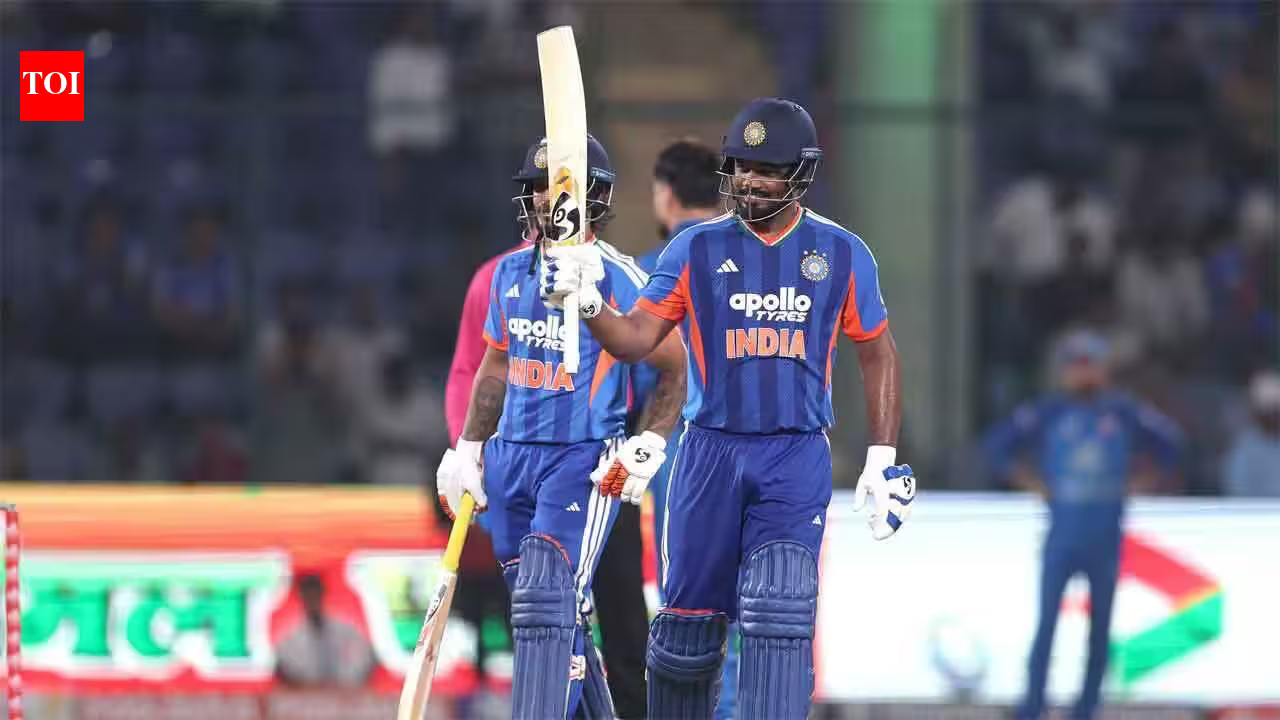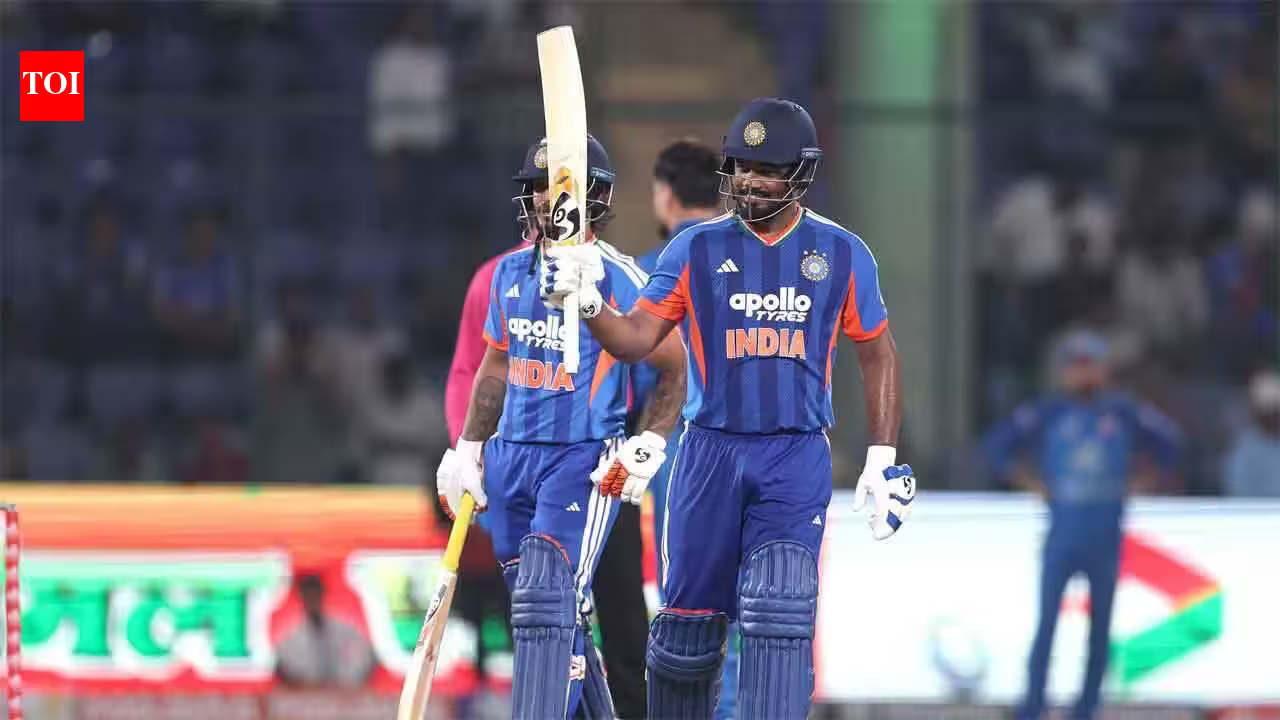









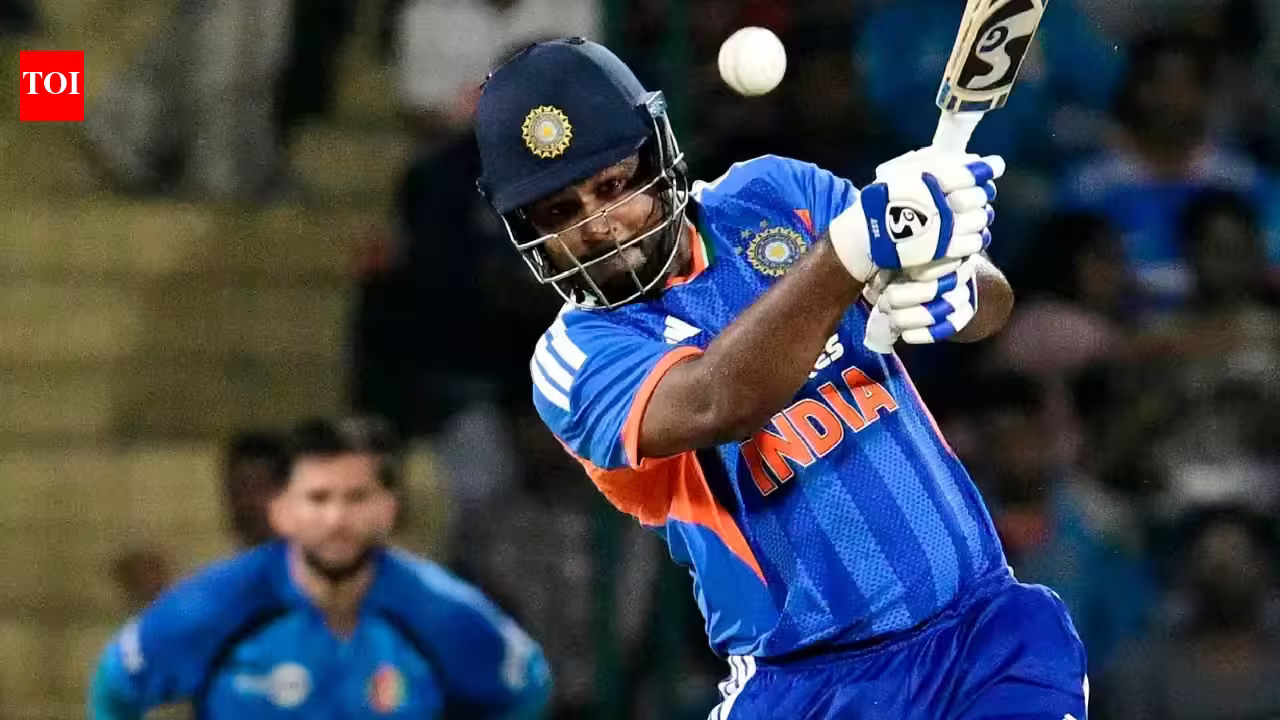
NEW DELHI — In the high-pressure cooker of Indian cricket, the barrier between professional composure and the encroaching tide of public opinion is often thinner than it seems. For Sanju Samson, the gifted wicketkeeper-batter who has long navigated the turbulent waters of international selection, the reality of being a public figure is a double-edged sword. Following a blistering, match-defining 57 off just 22 balls against Afghanistan in the second T20I, Samson offered a rare, candid glimpse into the psyche of a modern-day cricketer living under the microscope.
His innings, characterized by a predatory instinct that saw 52 of those 57 runs come exclusively from boundaries, served as more than just a statistical triumph; it was a defiant statement of intent. However, the post-match conversation quickly pivoted from his pyrotechnics on the field to the mental resilience required to keep finding his form when the surrounding discourse is dominated by criticism and doubt.
The “Wi-Fi” Conundrum: Tuning Out the Noise
For years, the standard line from athletes has been to ignore the critics, to claim the “outside noise” holds no sway over their focus. Samson, refreshing in his vulnerability, chose a different path during his post-match briefing. He didn’t hide behind the facade of complete indifference. Instead, he acknowledged the human element of his profession.
“I try to switch the Wi-Fi off. But sometimes the Wi-Fi gets switched on and comments become visible,” Samson admitted, using a modern metaphor for the ubiquity of social media and public discourse. “Some senior player says something. So I think it’s very normal. We’re not machines, we’re not robots, so we can’t say, ‘No, it doesn’t affect me.’ Definitely, it affects you.”
This admission is a testament to the heavy burden carried by those wearing the national jersey. For a player like Samson, who has seen his position in the T20I order debated incessantly, the mental discipline required to step onto the pitch and play with freedom is substantial. He candidly noted that if he allowed the potential for public backlash to cloud his judgment during his innings, his performance would inevitably suffer.
“If I paid attention to those things, I couldn’t bat like this,” he explained. “Before hitting a shot, I would think ten times, ‘Yaar, out ho gaya toh phir Wi-Fi problem ho jayega’ (If I get out, there will be a problem with the Wi-Fi/public reaction). So instead, I tell myself, ‘Koi baat nahi’ (It’s alright).”
The Competition: Embracing the “New Era”
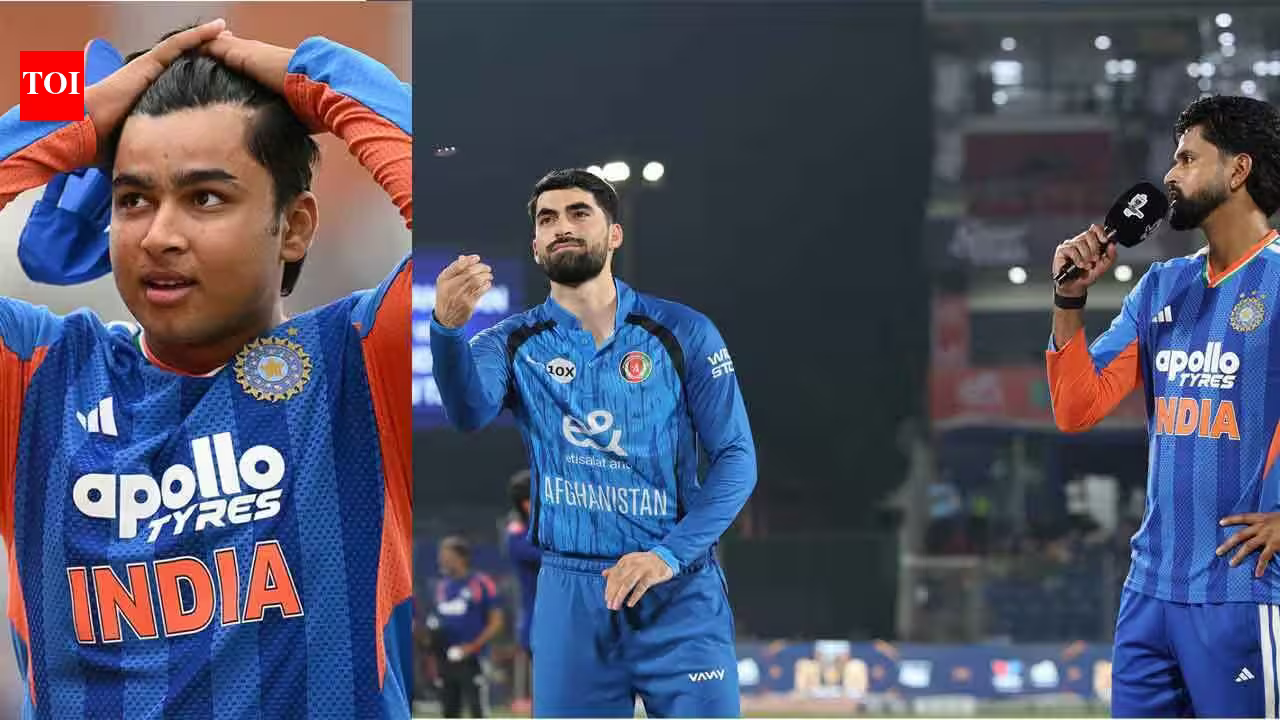
The pressure on Samson is amplified by the sheer depth of talent currently pulsating through the Indian domestic circuit. The rapid ascent of 15-year-old sensation Vaibhav Sooryavanshi, who has made waves following an impressive showing in Zimbabwe, has added a fresh layer of complexity to the competition for the opening slots. With Abhishek Sharma already establishing his footprint, the race for a permanent spot at the top of the order has never been more frantic.
Despite the narratives being spun in the media about rivalry and succession, Samson remains remarkably grounded. He rejects the label of “rivalry” when it comes to his teammates. In his view, the external world may be looking for the next successor, but within the confines of the dressing room, the focus remains collective.
“I think they are competitors for the outside world, but we are a team and we are playing for a country,” Samson said. “We want to win the game first, and then it comes down to the other individuals.”
Leadership Lessons and the Path Forward
Having honed his leadership skills as a captain in the Indian Premier League (IPL), Samson brings a unique perspective to the selection dilemma. He understands that being a part of a national setup means accepting that difficult calls are part of the process. Having been left out of previous series—most notably the tour of Zimbabwe—he has had to cultivate a mindset that favors preparation over resentment.
“We can’t sulk or be in a negative frame of mind, thinking, ‘Yaar, mujhe nahi mila, usko kyun diya’ (Why did he get the chance and not me?),” Samson noted. “Those kinds of mindsets don’t work here. I think I have been mature enough and experienced enough to know how to handle it. Earlier, it used to hurt a little, but now I know that you have to be ready for the opportunity when it comes.”
As India continues to transition through a new cycle in white-ball cricket, Samson’s ability to silence the critics with the bat while maintaining a balanced, mature outlook off the field will be his greatest asset. His performance against Afghanistan wasn’t just an exhibition of clean hitting; it was a demonstration of a player who has finally learned that the most important “Wi-Fi” signal to manage is the one inside his own head.
For the spectators, the lesson is clear: while the noise will never truly go away, the players who succeed are those who find the strength to occasionally unplug, breathe, and play the game on their own terms.
Disclaimer: This content is auto-generated for informational purposes only.
Source: Read Original News