

India Rejects Isolationist Stance on Myanmar Ahead of Key ASEAN Summits
As Prime Minister Narendra Modi prepares to travel to Manila for the upcoming ASEAN-India Summit and the East Asia Summit, the Indian government has reaffirmed its long-standing policy regarding the ongoing crisis in Myanmar. New Delhi maintains that isolating the conflict-ridden nation is counterproductive, warning that an exclusionary approach would only create a geopolitical vacuum for other actors to exploit.
The Case for Engagement
Speaking to the press on Thursday, Rudrendra Tandon, Secretary (East) at the Ministry of External Affairs, underscored India’s commitment to constructive dialogue. “Our position has been very clear,” Tandon stated. “If we isolate Myanmar, it is not the correct approach because someone else will fill that vacuum. There is no alternative to engagement.”
Myanmar has been mired in a brutal civil war for six years, a conflict that has severely tested the unity and diplomatic resolve of the ASEAN bloc. Since the military takeover in February 2021, the junta’s leadership has been largely sidelined from regional summits. However, Tandon emphasized that Myanmar’s intricate social and political landscape necessitates a patient, steady approach rather than punitive measures. India continues to express strong support for ASEAN’s ongoing efforts to engage with Naypyidaw, viewing such involvement as essential to stabilizing the region.
A Shifting Regional Landscape
The regional consensus against Myanmar’s military leadership appears to be softening. A significant turning point in bilateral relations occurred earlier this year when Myanmar’s President, Min Aung Hlaing, made an official visit to New Delhi. This diplomatic engagement signaled a shift in how India views the current administration in Naypyidaw.
This trend is not isolated to India; over the past several months, the heads of state from Thailand, Laos, Cambodia, Vietnam, and Malaysia have also hosted the Myanmar leader. As diplomatic doors reopen, the junta has intensified its calls for the restoration of its full rights within the ASEAN framework. The regional bloc continues to navigate this complex scenario through the “five-point consensus” established in 2022, which remains the primary blueprint for Myanmar’s potential reintegration into the organization.
PM Modi’s Visit to Manila
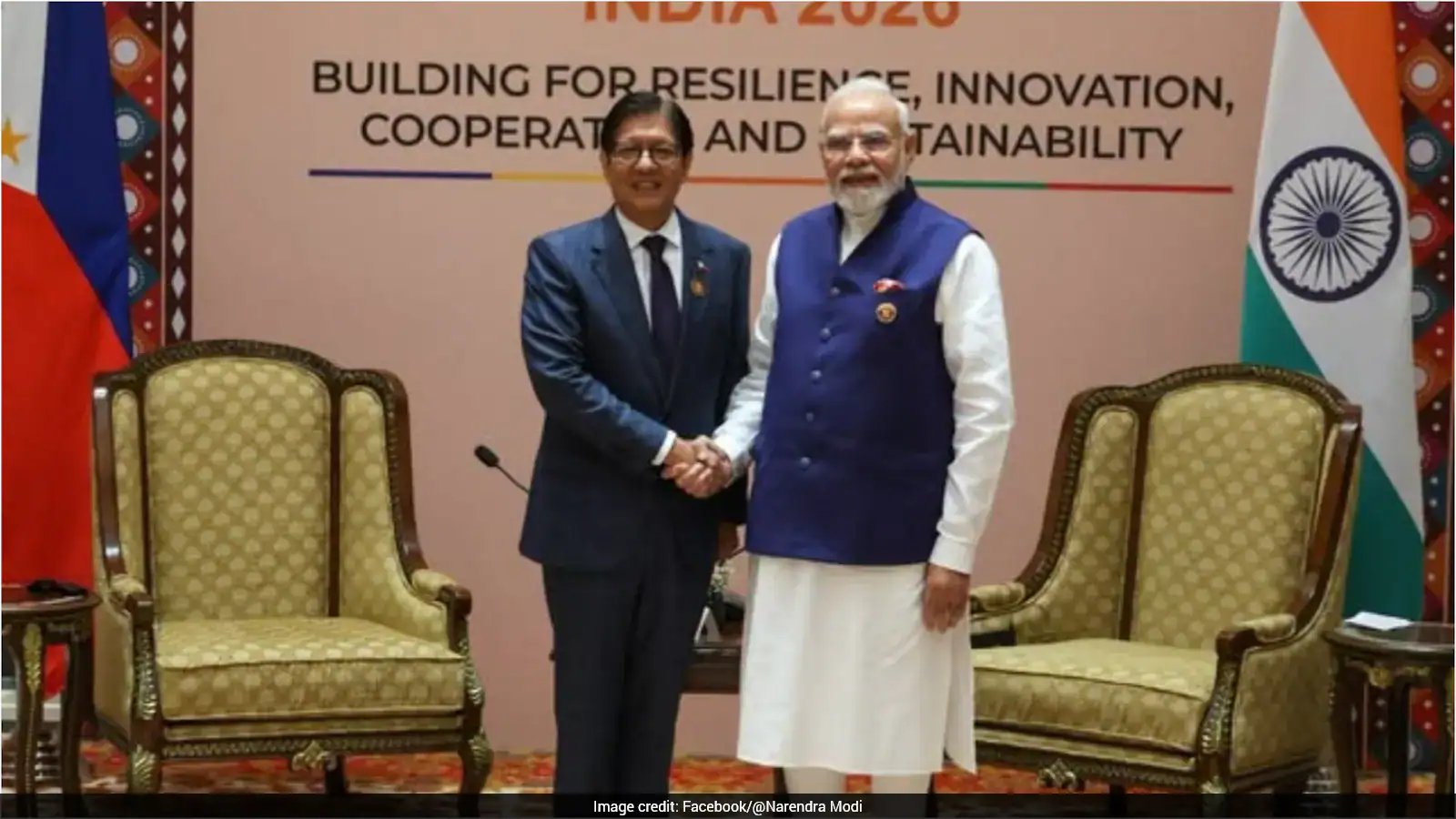
Prime Minister Modi’s visit to Manila on November 16–17, at the invitation of Philippine President Ferdinand R. Marcos Jr., marks a pivotal moment for India’s “Act East” Policy. The Prime Minister is scheduled to participate in the 23rd ASEAN-India Summit and the 21st East Asia Summit.
During these deliberations, leaders are expected to review the progress of the Comprehensive Strategic Partnership and finalize the ASEAN-India Plan of Action for 2026–2030. The summits provide a critical platform for exchanging views on pressing regional and global security concerns.
The timing of the visit is significant, as both India and ASEAN are currently observing 2026 as the “Year of Maritime Cooperation.” With the 35th anniversary of dialogue relations and the fifth anniversary of the Comprehensive Strategic Partnership approaching in 2027, the Manila summits are set to define the strategic roadmap for India’s engagement in the Indo-Pacific for the remainder of the decade.
Disclaimer: This content is auto-generated for informational purposes only.
Source: Read Original News