









Mexico’s retail landscape is undergoing a massive transformation as global giants shift their focus from simple store count expansion to high-tech, integrated supply chain ecosystems. Driven by rapid regional population growth and the necessity for digital agility, companies like Walmart, Amazon, Home Depot, and IKEA are funneling billions into logistics automation, data-driven inventory management, and artificial intelligence to secure their dominance in the Latin American market.
## The Shift Toward Intelligent Infrastructure
The modern retail strategy in Mexico is increasingly defined by “smart” capital. Rather than prioritizing only the physical storefront, industry leaders are utilizing sophisticated technology to predict demand and optimize operations. Walmart de México y Centroamérica, for example, is earmarking significant portions of its massive MX$43 billion investment plan toward automation and data management.
This is not merely about stocking shelves; it is about deploying AI-driven systems that manage complex logistics across sprawling regional networks. Home Depot is also leveraging AI to refine its inventory management, using predictive modeling to analyze weather patterns and consumer habits to forecast stock requirements accurately. By integrating these digital layers into their physical retail footprints, these companies are building a resilient, data-informed infrastructure that can withstand global trade volatility while meeting the specific demands of local consumers.
## E-Commerce and the Omnichannel Evolution
The concept of the “store” is being redefined. IKEA and Amazon offer the most distinct models of this evolution. IKEA has successfully utilized a hybrid strategy in Mexico, where physical destinations—such as their massive Guadalajara location—function as showrooms that support a nationwide digital presence. By extending e-commerce reach to all 32 Mexican states and utilizing dozens of pickup points, IKEA proves that a limited physical footprint, when supported by a robust digital distribution network, can yield massive turnover growth.
Amazon, meanwhile, continues to bypass traditional store layouts entirely, focusing instead on deep-tier logistics and cloud computing. With a US$6 billion investment planned through 2026, the company is bolstering its fulfillment capabilities in states like Nuevo Leon and Jalisco. Beyond consumer goods, Amazon is positioning itself as the backbone of the Mexican digital economy, enabling tens of thousands of local businesses to reach national and international markets through its established logistics infrastructure.
## Regional Growth and Industrial Integration
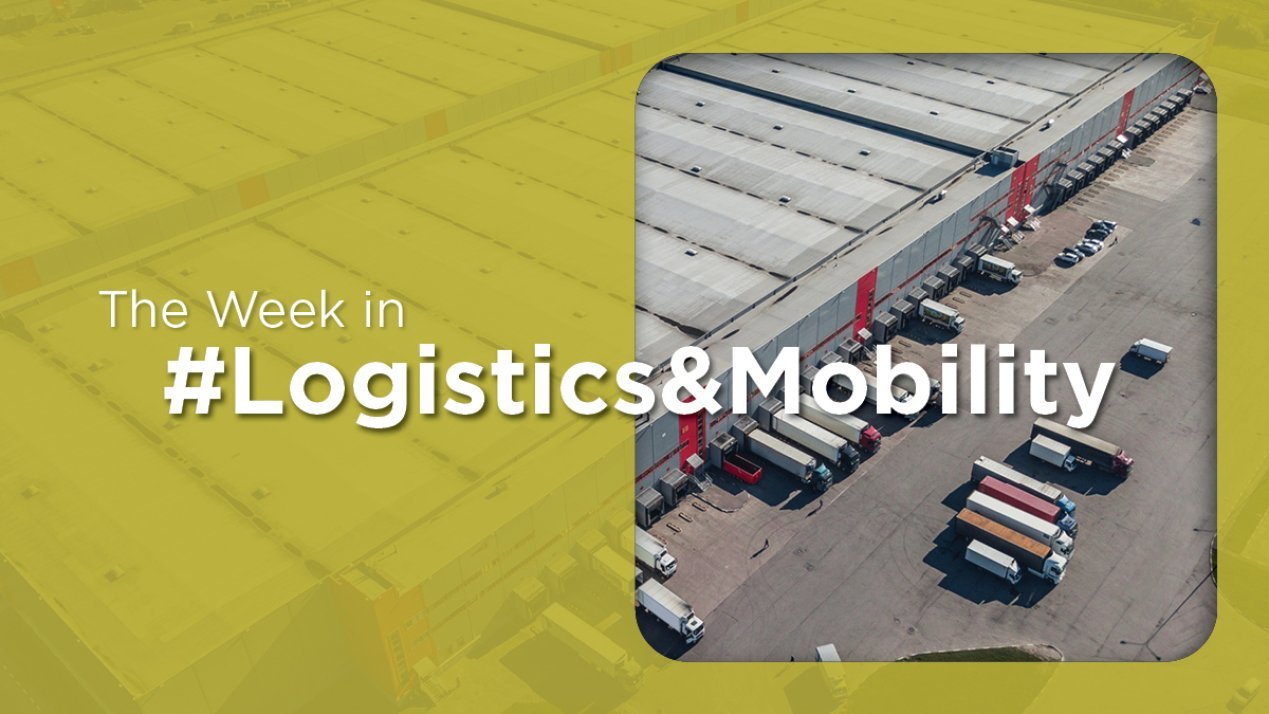
Investment is increasingly concentrating in industrial hubs such as Queretaro, Aguascalientes, and Guanajuato. This geographic focus is not accidental; these regions are becoming logistical anchors for the entire country. Walmart’s recent US$500 million distribution center in Guanajuato, which will service hundreds of stores across eight different states, highlights the strategic importance of aligning retail logistics with Mexico’s industrial geography.
The rise of “better square meters” over “more square meters”—a sentiment echoed by Falabella’s leadership—suggests that retailers are moving toward highly efficient, multi-purpose facilities. Whether it is Costco expanding warehouse footprints in Queretaro to include gas stations and increased parking, or home-improvement retailers aiming for 100% domestic sourcing by 2028, the objective is consistent: creating integrated regional hubs. These hubs provide a competitive advantage by shortening supply chains and fostering a closer connection between manufacturers and the end consumer.
As the retail sector projects the addition of 3,000 new locations by 2026, the success of these international players will rely on their ability to marry the efficiency of advanced automation with the growing demand for convenient, localized shopping experiences. By investing in the digital tools that power logistics, search-based shopping, and inventory forecasting, these companies are transforming Mexico from a traditional retail market into a sophisticated, tech-enabled commerce powerhouse.
Disclaimer: This content is auto-generated for informational purposes only.
Source: Read Original News