



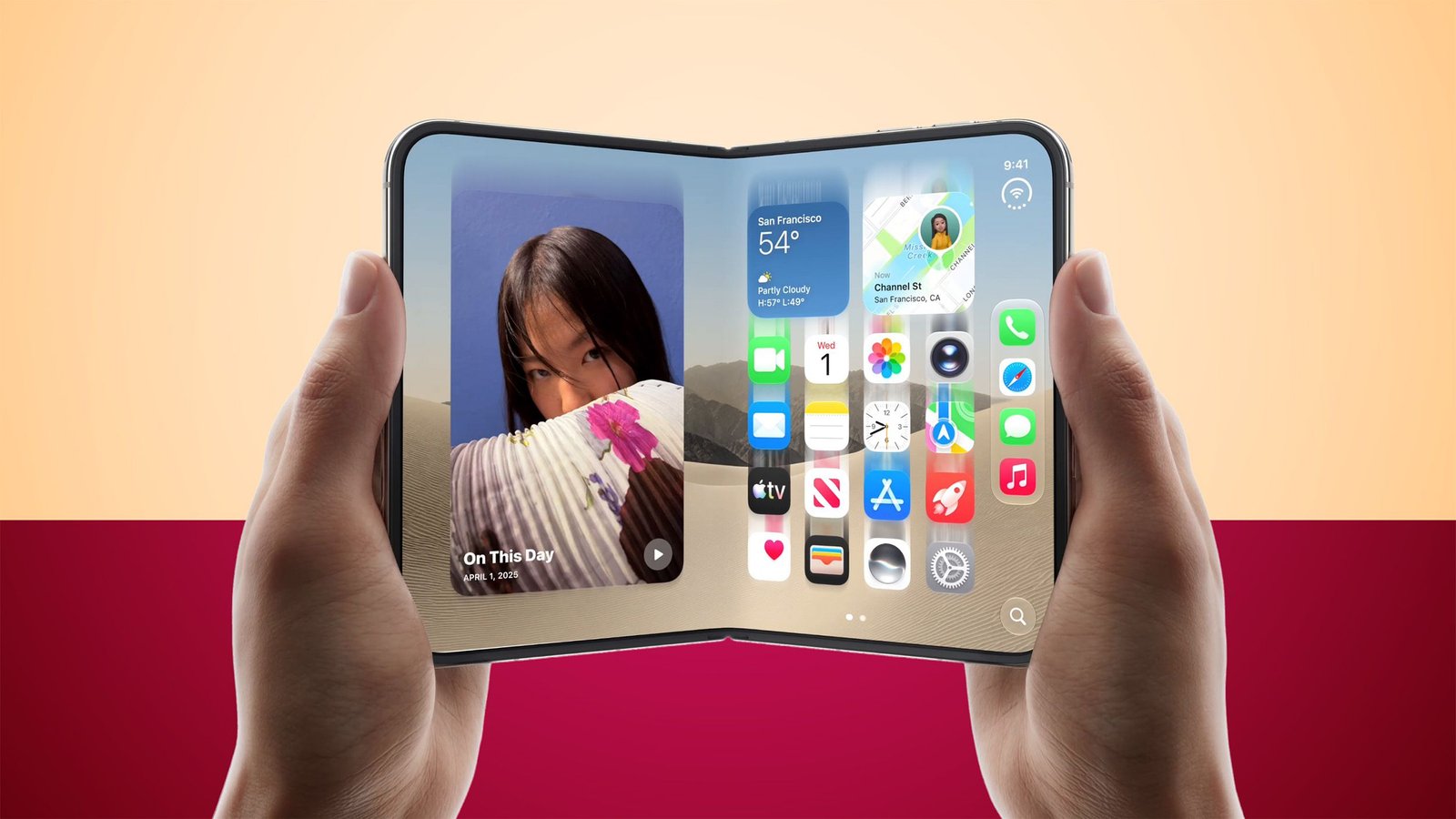
The Engineering Limits of the iPhone Duo Hinge
The transition toward foldable smartphone technology represents a significant shift in mobile hardware engineering. As manufacturers move beyond the traditional slab design, the primary point of failure for these devices is consistently the mechanical hinge and the flexible display layers that must withstand repeated physical stress. Recent, rigorous stress testing conducted on the Apple iPhone Duo has provided a rare glimpse into the durability limits of this new hardware category. By subjecting the device to a continuous, automated folding process, observers are discovering exactly where the physical integrity of the hinge begins to degrade.
For three consecutive weeks, a public stress test has monitored the iPhone Duo, performing over 451,000 folding cycles. This procedure is designed to simulate years of heavy consumer usage within a compressed timeframe. While the device remains functional, the data suggests that the mechanical housing is susceptible to cumulative wear, offering critical insight into the longevity of sophisticated mobile folding mechanisms.
Analyzing Mechanical Degradation and Hinge Mechanics
Data recorded during the testing process indicates that the iPhone Duo hinge maintains peak performance for the vast majority of its current cycle count. However, subtle changes in resistance and physical behavior emerged at the 390,000-fold milestone. Technicians observed that the tension within the hinge mechanism began to decrease, characterized by a looser sensation during the folding operation.
By the 440,300-fold mark, a more pronounced mechanical shift occurred. The device began failing to reach its fully open, flat orientation without external assistance. Specifically, the hinge would settle at approximately 5 to 10 degrees short of a completely open state. While the screen remains functional and the device can be manually opened to a flat position, the loss of the distinctive, tactile “snap” indicates that the internal tensioning components have reached a state of diminished return. This observation is vital for understanding how mechanical springs and friction-based pivot points fatigue over time when subjected to constant, high-frequency motion.
Display Panel Resilience and Material Science
A critical component of the iPhone Duo is its flexible OLED panel, which is manufactured in collaboration with Samsung Display. The structural integrity of the screen is arguably as important as the hinge itself. In this testing scenario, the display has proven remarkably resilient. Despite the degradation of the mechanical hinge, there is no evidence of permanent screen creasing, structural cracking, or dead pixels.
This outcome aligns with the rigorous standards applied to premium folding display technology. Samsung’s own internal certifications for the Galaxy Z Fold7 indicate that their panel technology is capable of surviving 500,000 folds. Apple’s implementation of this technology, while customized for the iPhone Duo, appears to be matching these performance metrics. The fact that the screen remains operational even after the hinge assembly loses its precise alignment demonstrates that the flexible substrate can withstand extreme mechanical strain without catastrophic failure of the light-emitting diodes or the protective encapsulation layers.
Projecting Device Lifespan for Daily Consumers
When evaluating the data from a consumer perspective, the performance of the iPhone Duo is statistically impressive. If a typical user folds and unfolds their device approximately 100 times per day—a generous estimate for standard usage—a threshold of 450,000 folds translates to a lifespan of over twelve years.
Even with the observed mechanical loosening, the phone remains fully operational and usable as a handheld device. For the average consumer, this suggests that the functional lifespan of the device will likely exceed the typical replacement cycle of a smartphone. By the time the hinge experiences significant physical degradation, most users would have already transitioned to a newer generation of hardware. This testing reinforces the notion that foldable displays have matured into a technology capable of surviving the daily rigors of modern life, provided the internal mechanical structure maintains a baseline level of support.
Methodology and the Future of Reliability Testing
The ongoing nature of this stress test underscores a lack of public, transparent durability data from Apple. While companies perform extensive internal testing, these results are rarely disclosed in detail, leaving consumers to rely on third-party verification. By subjecting the device to failure conditions—defined as loss of power, sensor failure, or total screen blackout—the current test aims to establish a definitive upper limit for the hardware.
The methodology utilizes an automated machine to ensure consistency in force and velocity, providing a controlled environment that mimics repetitive use. As the livestream continues on weekdays, the goal is to reach a total failure point to understand the catastrophic modes of the device. This empirical approach is essential for the industry, as it sets a benchmark for what users should expect from folding hardware. Whether the final failure involves a broken display ribbon cable, an internal sensor error, or a total mechanical lock-up, the final results will serve as a foundational study for the durability of future foldable devices.
Ultimately, the testing of the iPhone Duo provides clarity on the trade-offs inherent in foldable designs. It confirms that while mechanical wear is an unavoidable aspect of hinge-based devices, modern engineering is more than sufficient to accommodate years of reliable use, marking a major milestone in the evolution of mobile technology.
Disclaimer: This content is auto-generated for informational purposes only.
Source: Read Original News