



Ro Khanna Unveils Radical Platform for Democratic Resistance to Trump Administration
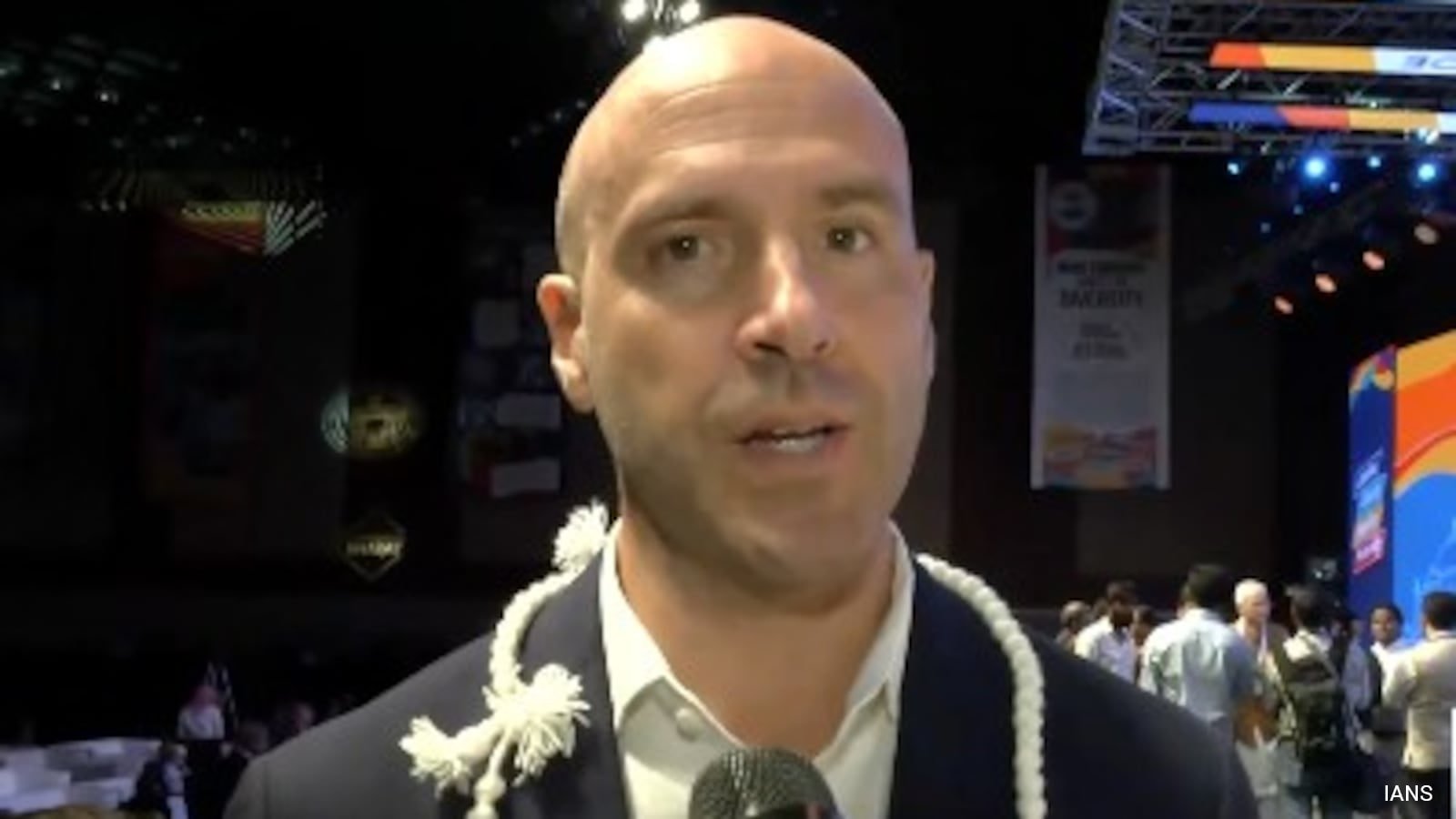
DENVER — Representative Ro Khanna has signaled a sharp leftward pivot for the Democratic Party, unveiling an aggressive legislative agenda at the “What’s Next” conference that aims to directly confront the incoming Trump administration. Speaking before an energized audience, the California congressman outlined a series of demands that challenge the traditional establishment consensus and position him as a prominent figure in the debate over the future of the party’s political identity.
Perhaps the most provocative portion of his address involved what he dubbed “Epstein 2.0.” Khanna announced that his camp has successfully secured 218 signatures—a majority of the House of Representatives—to launch a formal investigation into the inner circles of the American elite. This initiative, he argued, is a necessary step to uncover the systemic corruption and power imbalances that have allegedly allowed high-profile figures to evade accountability. By framing the investigation in these terms, Khanna is positioning the Democratic caucus as a populist force capable of taking on entrenched interests that have historically transcended partisan divides.
A Demanding Legislative Vision
Beyond his call for a sweeping ethics probe, Khanna outlined a suite of policy proposals that represent a clean break from conventional Democratic platform stances. Among his most contentious suggestions is the formal abolition of Immigration and Customs Enforcement (ICE). Khanna argued that the agency has become a symbol of inhumane immigration policies and that the party must move toward a structure that prioritizes humanitarian concerns over punitive enforcement.
His remarks also touched upon a volatile shift in foreign policy. Khanna called for an immediate cessation of all military aid and weapons shipments to Israel, citing the ongoing conflict and the humanitarian toll in Gaza. This stance places him at odds with many in the Democratic leadership who have long maintained that unwavering support for Israel is a cornerstone of U.S. foreign policy. Khanna insisted, however, that the party must hold its allies to the same standards it sets for the rest of the world, advocating for a broader “anti-war” doctrine that seeks to halt American involvement in foreign conflicts.
Navigating the Future of the Party
The Denver conference served as a bellwether for the ideological tensions currently simmering within the Democratic ranks. As the party prepares to navigate a new era under a Trump presidency, lawmakers like Khanna are pushing for a more confrontational approach. By advocating for an end to foreign wars and a radical restructuring of the immigration apparatus, Khanna is testing the appetite of his colleagues for a bolder, more ideological platform.
While some party strategists express concern that such positions could alienate centrist voters, Khanna’s supporters argue that the current political landscape requires a clear, unmistakable alternative to the status quo. His ability to mobilize support for his “Epstein 2.0” initiative suggests that there is a growing desire within the caucus to use congressional oversight powers as a weapon against both domestic and international power structures.
As the incoming Congress prepares to convene, Khanna’s agenda marks a definitive attempt to steer the party toward a more activist trajectory. Whether his colleagues will fully embrace this platform remains to be seen, but the congressman has clearly staked his claim as a central architect in the evolving strategy of the Democratic opposition.
Disclaimer: This content is auto-generated for informational purposes only.
Source: Read Original News