






UNGA 2026: India Reaffirms Commitment to Two-State Solution for Middle East Peace
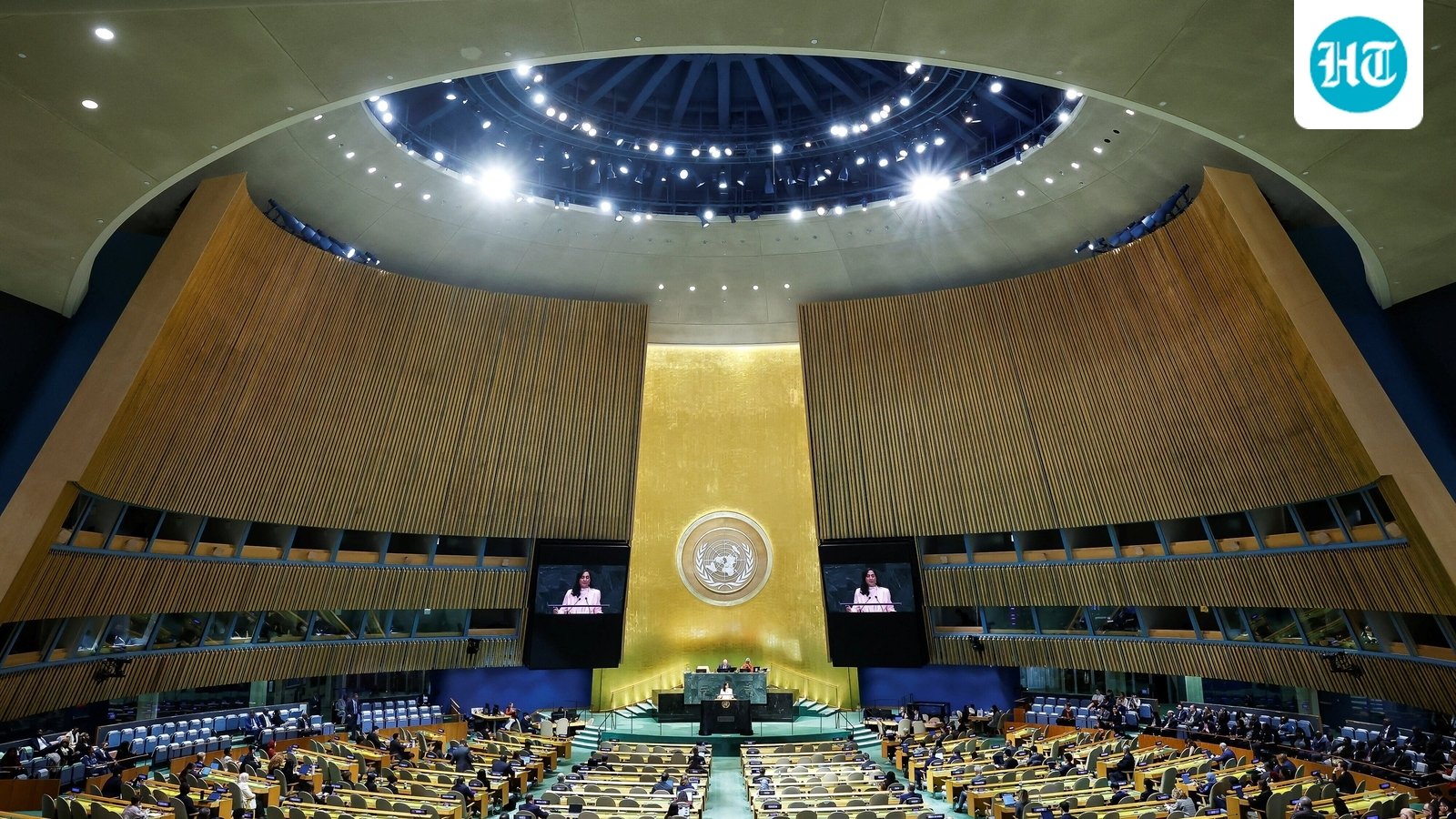
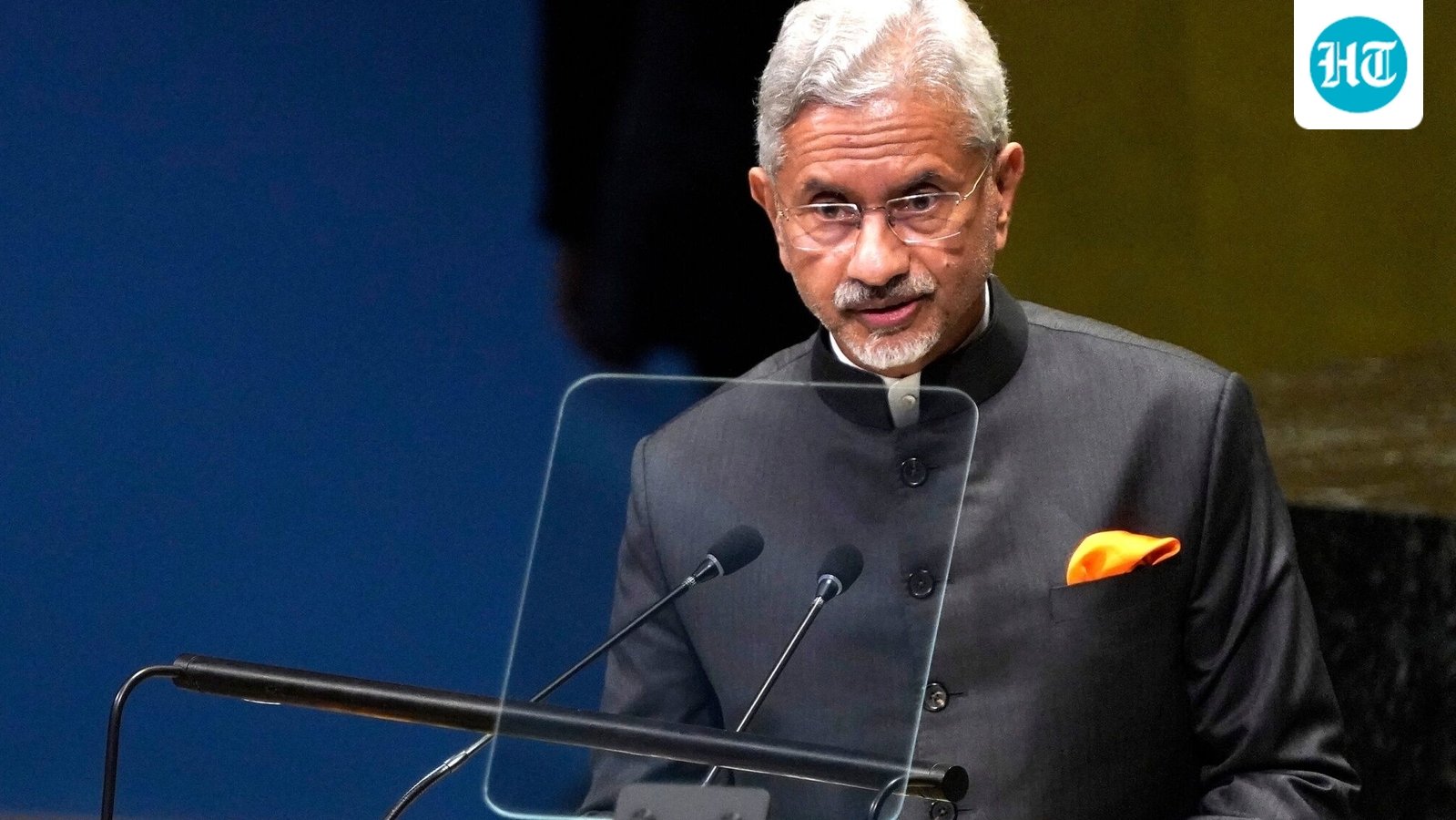
NEW YORK: Addressing the United Nations General Assembly (UNGA) on Saturday, External Affairs Minister S. Jaishankar reinforced India’s long-standing diplomatic position, asserting that a durable resolution to the Israel-Palestine conflict is unattainable without the establishment of two separate, sovereign states.
In a high-level address that touched upon the most pressing geopolitical crises of the era, the Minister emphasized that the path to lasting stability in West Asia requires both sides to coexist within secure and mutually recognized borders. This formal reaffirmation serves as a continuation of India’s consistent foreign policy, which advocates for a viable State of Palestine while maintaining strong ties with Israel.
Humanitarian Commitment in Focus
Beyond the diplomatic framework, Minister Jaishankar highlighted the tangible assistance New Delhi has extended to the Palestinian people throughout the ongoing hostilities. Since the eruption of the conflict, India has acted as a significant contributor to global relief efforts.
Official data underscores the scale of this support: India has delivered approximately 70 metric tonnes of humanitarian aid, including critical medical supplies and essential resources, to both the Palestine Ministry of Health and the UN Relief and Works Agency (UNRWA). Furthermore, over the last five years, the Indian government has invested $26 million in various development projects aimed at bolstering Palestinian infrastructure, signaling a commitment that goes beyond immediate crisis management.
A Global Call for Peace
While the Israel-Palestine issue remained a focal point, the External Affairs Minister used the global stage to address a wider climate of instability. He issued a stern call for the international community to move past the era of perpetual warfare, noting that “endless war must now give way to an end to conflict.”
He expressed deep apprehension regarding the expanding hostilities in the Gulf region and the ongoing war in Ukraine, describing both as deeply troubling developments that threaten the global order. Additionally, the Minister condemned the rising threats to international trade, explicitly stating that attacks on commercial shipping and seafarers navigating international waterways are “simply unacceptable.”
Countering Cross-Border Rhetoric
The UNGA session also provided a platform for India to push back against regional provocations. In a sharp, albeit veiled, critique of Pakistan—referred to as a “serial practitioner of terrorism”—Jaishankar dismantled claims made by Islamabad regarding the Kashmir region just a day prior.
Without explicitly naming Pakistan or its leadership, the Minister condemned the attempt to “normalize terrorism” and suggested that any nation seeking to “claim immunity from its consequences” would ultimately fail. The address served as a definitive signal that while India is committed to humanitarian aid and diplomatic peace initiatives, it will remain unflinching in its efforts to challenge state-sponsored efforts to destabilize the region through violence.
As the UNGA continues its proceedings, India’s stance remains clear: that meaningful peace requires both an actionable roadmap toward statehood for Palestinians and a global refusal to tolerate the tactics of terror.
Disclaimer: This content is auto-generated for informational purposes only.
Source: Read Original News