









Northern Arizona Healthcare (NAH) has secured a significant $200,000 grant from the Hearst Foundations to bolster its “Mental Health Matters for First Responders” initiative. This financial boost arrives as healthcare systems increasingly turn to data-driven wellness programs and specialized digital outreach to support staff members operating in high-stress, remote environments.
The funding is specifically earmarked for the Guardian Air and Guardian Medical Transport teams—crews that cover an expansive 79,000-square-mile territory across the Southwest. By providing confidential, trauma-informed counseling and crisis debriefing, NAH aims to mitigate the long-term psychological impacts of the nearly 25,000 annual emergencies these responders handle.
## Bridging the Gap Through Strategic Partnerships
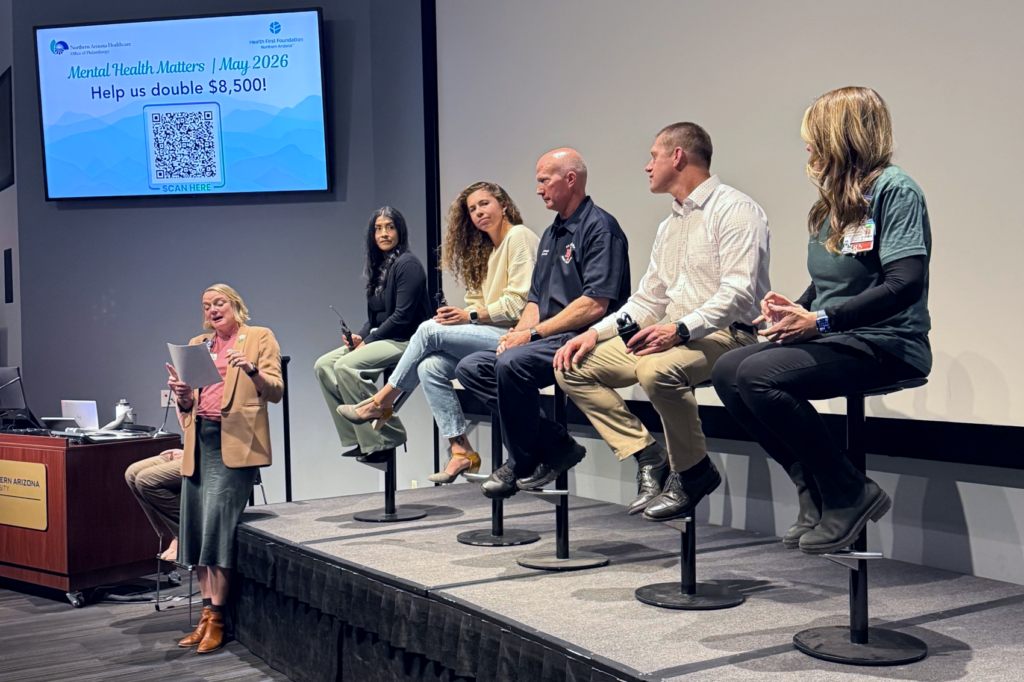
The grant serves as the latest milestone in NAH’s broader mission to destigmatize mental health. Earlier this year, during Mental Health Awareness Month, the organization’s Office of Philanthropy leveraged community engagement to raise an additional $65,000. Through 35 separate events, over 1,000 participants—including local law enforcement and fire departments—discussed the critical necessity of prioritizing emotional wellness among emergency personnel.
“The incredible response from our community during Mental Health Awareness Month demonstrates a shared commitment to those who dedicate their lives to protecting ours,” said Maraka Oltrogge, NAH Vice President of Philanthropy. “This grant from the Hearst Foundations is yet another show of support for some of our most selfless neighbors.”
## The Evolving Landscape of Digital and Accessible Care
The initiative, which originated in 2023, was designed to accommodate the erratic and demanding schedules of EMTs and flight medics. As technology transforms how we monitor health and distribute wellness resources, NAH is focusing on accessibility—ensuring that trauma-informed care is available to staff regardless of their station location, whether they are in Flagstaff or at the rural edges of the Grand Canyon region.
By creating a culture where “strength includes recognizing when you need support,” as noted by Guardian Medical Transport Battalion Chief Matt Shaw, the program is setting a precedent for how organizations can utilize philanthropic partnerships to fill gaps in traditional healthcare delivery. The Hearst Foundations’ involvement highlights a growing trend among major institutional donors to back localized, tech-enabled support systems that directly impact the mental health of essential workers.
## Future Projections and Scalability
NAH plans to expand its “Mental Health Matters” campaign in May of next year, aiming to reach even broader segments of the community. As the program matures, it could serve as a blueprint for other health systems looking to combine philanthropic funding with internal wellness infrastructure.
For organizations interested in the intersection of corporate social responsibility and behavioral health, NAH is actively seeking business partnerships to help scale these efforts. By integrating these programs into the standard operating procedure of emergency services, the goal is to reduce the risk of burnout, depression, and suicide among first responders who face some of the highest cumulative stress levels in the medical field.
As the program moves into its next phase, the data collected from these counseling sessions and participant interactions will likely be used to refine and optimize care delivery. With consistent funding now secured from both local donors and national organizations like the Hearst Foundations, the initiative is well-positioned to maintain its trajectory of support, ensuring that those who answer the call for help have a reliable place to turn when the weight of their duties becomes overwhelming.
Disclaimer: This content is auto-generated for informational purposes only.
Source: Read Original News