







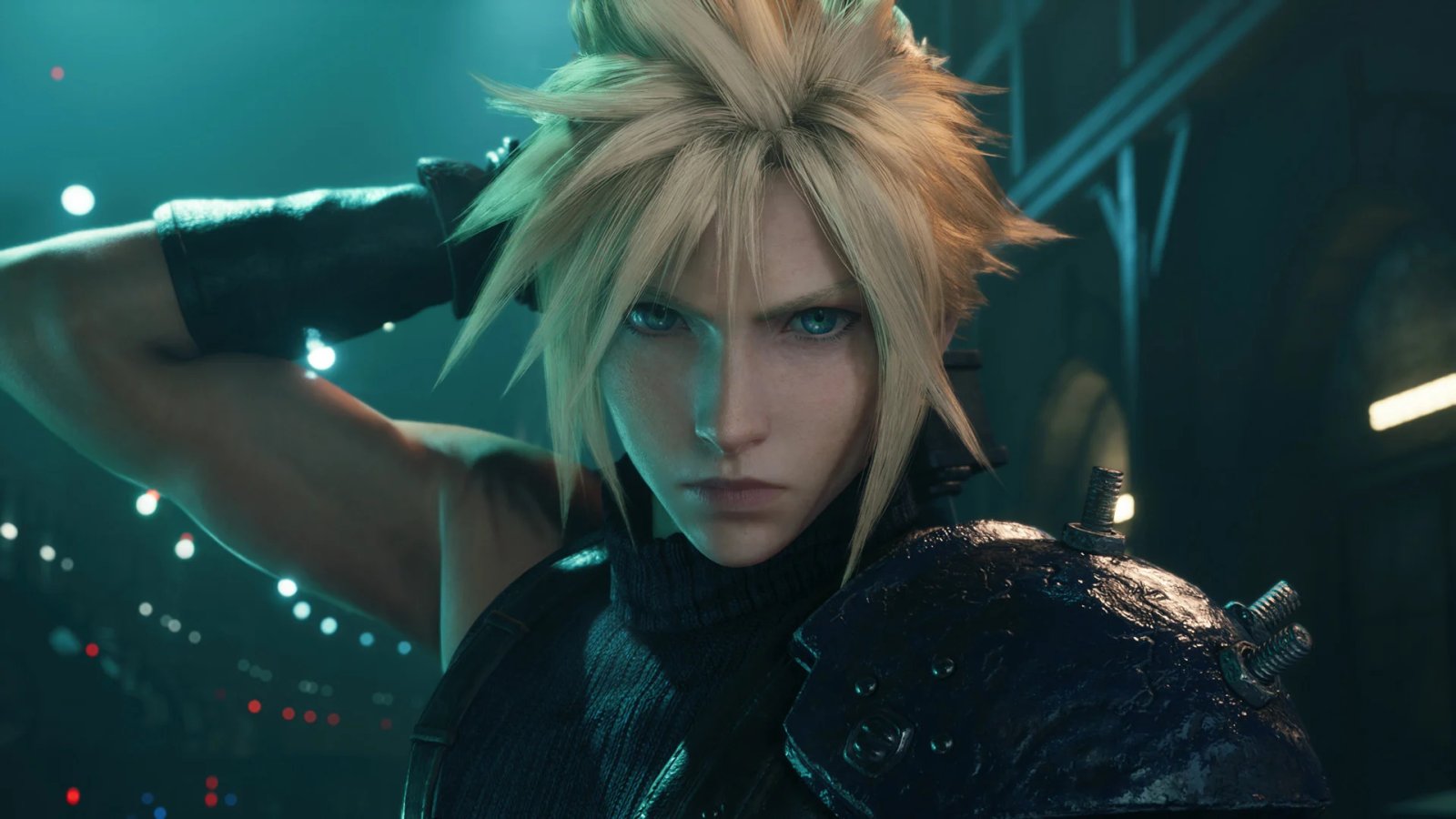
The Architectural Integrity of the Final Fantasy VII Remake Trilogy
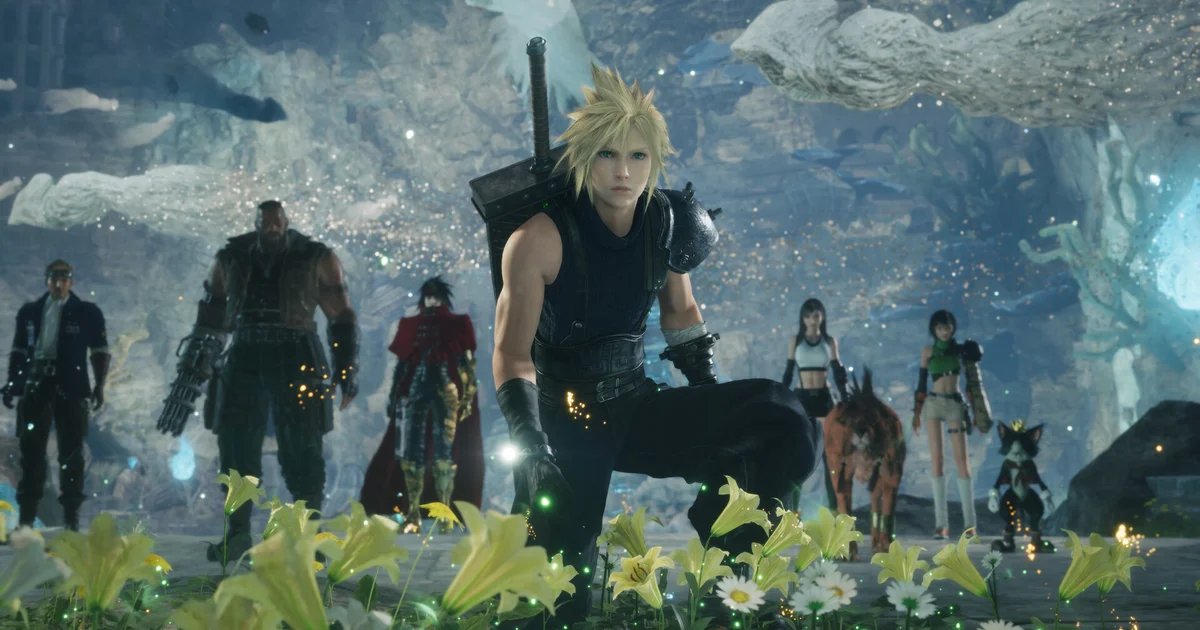
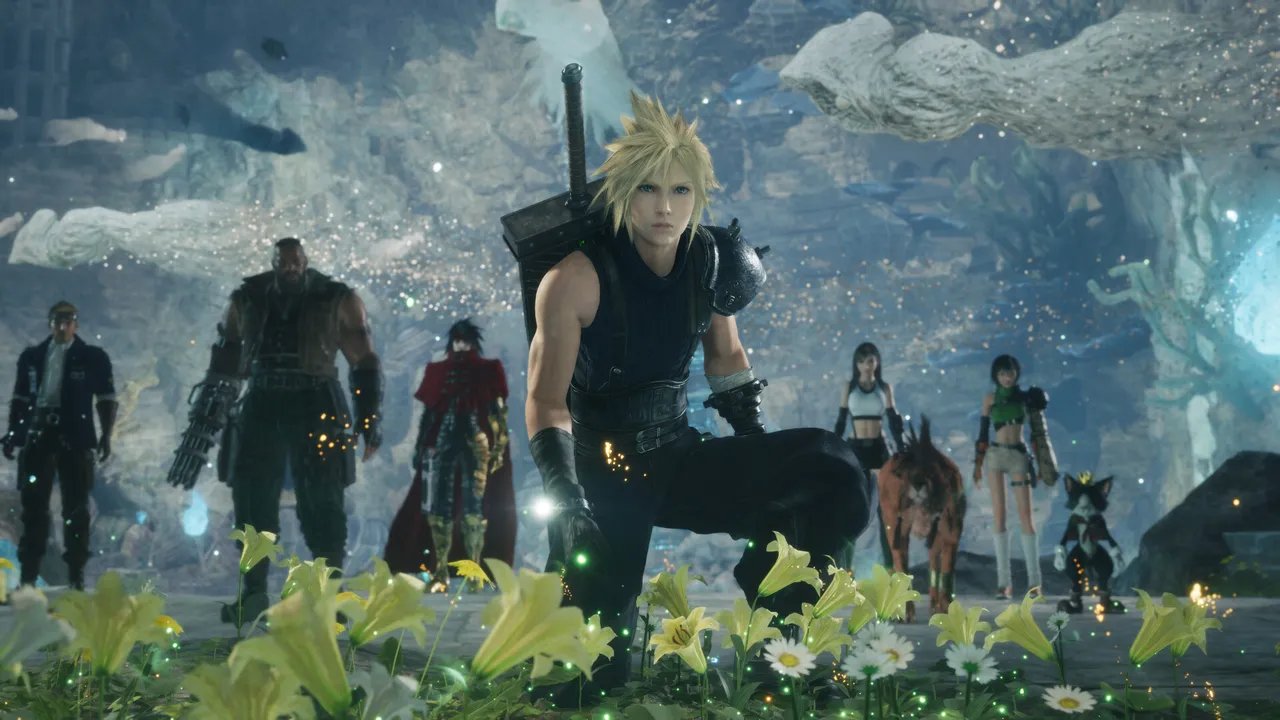
As the gaming industry approaches the conclusion of one of its most ambitious undertakings, the conversation surrounding the Final Fantasy VII remake trilogy has shifted toward the delicate balance between modern technological iteration and narrative preservation. Square Enix has faced the monumental task of reinterpreting a seminal piece of interactive fiction for a new generation while navigating the expectations of a legacy fan base. With the final installment, officially titled Revelation, on the horizon, director Naoki Hamaguchi has provided critical clarity on the creative methodology driving this trilogy’s conclusion.
The primary technical and creative challenge has not been the implementation of high-fidelity graphics or the expansion of combat mechanics, but rather the maintenance of the original narrative’s core structural integrity. Despite the introduction of meta-narrative devices such as the Whispers—entities designed to police the flow of time and ensure key events mirror the 1997 original—the development team has prioritized consistency over radical revision. Hamaguchi’s recent statements emphasize that the trilogy was never intended to be a vehicle for a personal creative overhaul of a masterpiece, but rather an enhancement of the foundational themes established decades ago.
Technical Challenges in Remaking a Cultural Icon
Adapting a game as iconic as Final Fantasy VII requires more than a shift to contemporary hardware; it necessitates a rigorous internal audit of what constitutes the identity of the product. Hamaguchi notes that the difficulty lay in avoiding the trap of turning a professional development cycle into a personal interpretation or a fan project. In the software development lifecycle of a massive role-playing game, the temptation to introduce sweeping changes to character fates or world-state outcomes is significant. However, the team has strictly adhered to the original plot points, utilizing the additional screen time provided by the trilogy format to expand the depth of world-building rather than altering the fundamental trajectory of the story.
From a systems perspective, this approach ensures that the “remake” label remains accurate. By focusing on the expansion of character psychology and the density of the environment, the development team has managed to modernize the pacing without destabilizing the established canon. This creates a technical requirement for seamless integration between legacy beats and new, additive narrative content, ensuring that the additions feel like natural extensions of the source material rather than disruptions to the established logic.
The Role of Meta-Narrative in Modernizing Classic Gameplay
One of the most distinct features of the remake series is the integration of the “Whispers” system. This narrative device serves a dual purpose: it acts as a commentary on the difficulty of remaking a beloved classic, while simultaneously providing a framework for the characters to interact with their own predetermined destinies. Technologically, this allows the developers to introduce a sense of uncertainty for the player, even when the broader story arcs remain tethered to the 1997 original.
By weaving this meta-layer into the gameplay, the developers have successfully bypassed the stagnation that often affects reboots. Players are invited to question whether the outcome will deviate from the established path, creating a sustained sense of tension. However, as Hamaguchi suggests, these additions are supplemental. They provide the necessary friction to make the journey feel fresh, even as the narrative progresses toward the conclusions that longtime fans recognize. This balance is critical; it satisfies the technical requirements of a modern high-budget release while honoring the structural blueprint of the original hardware-constrained release.
Avoiding the “Fanfiction” Pitfall
In modern game design, there is a recurring pressure to cater to player desires for “happily ever after” endings, particularly for characters who suffered tragic ends in original 20th-century titles. The industry has seen a trend toward player-agency-driven narratives where outcomes are modular. However, the Final Fantasy VII remake project has consciously avoided the pitfall of transforming into a “what-if” scenario or traditional fanfiction.
Hamaguchi identifies the decision to resist the urge to fundamentally alter the ending as a professional necessity. By keeping the core narrative outcomes consistent with the original design, the team maintains the gravitas and the thematic weight that defined the PlayStation 1 experience. For the engineering and writing teams, this necessitates a high degree of discipline, as it requires them to refine the emotional beats of the story without yielding to the impulse to rewrite history. The goal remains to deliver a version of the story that resonates with modern sensibilities through improved fidelity and world-building, rather than rewriting the consequences that originally solidified the game’s status as a masterpiece.
Expectations for the Conclusion in Revelation
As the industry looks toward the release of Revelation, the primary question remains how the developers will execute the final acts of the story. Given the success of the previous two entries in maintaining a faithful yet expansive trajectory, the final installment is expected to serve as the culmination of this commitment. The technological advancements made in the engine and the refined combat systems have allowed for an unprecedented level of immersion, ensuring that the emotional weight of the story is felt more acutely than ever before.
The impact of this approach is likely to influence how other legacy titles are approached in the future. By demonstrating that it is possible to modernize a complex, long-form narrative while retaining the original’s DNA, Square Enix is setting a benchmark for future remakes. The upcoming release will represent the final test of this methodology: whether the conclusion can mirror the legacy of the original while providing the satisfaction of a modern, high-production-value resolution. When the game arrives next year, it will not only complete the trilogy but also serve as a final statement on the viability of strictly disciplined, high-fidelity restoration of gaming history.
Disclaimer: This content is auto-generated for informational purposes only.
Source: Read Original News