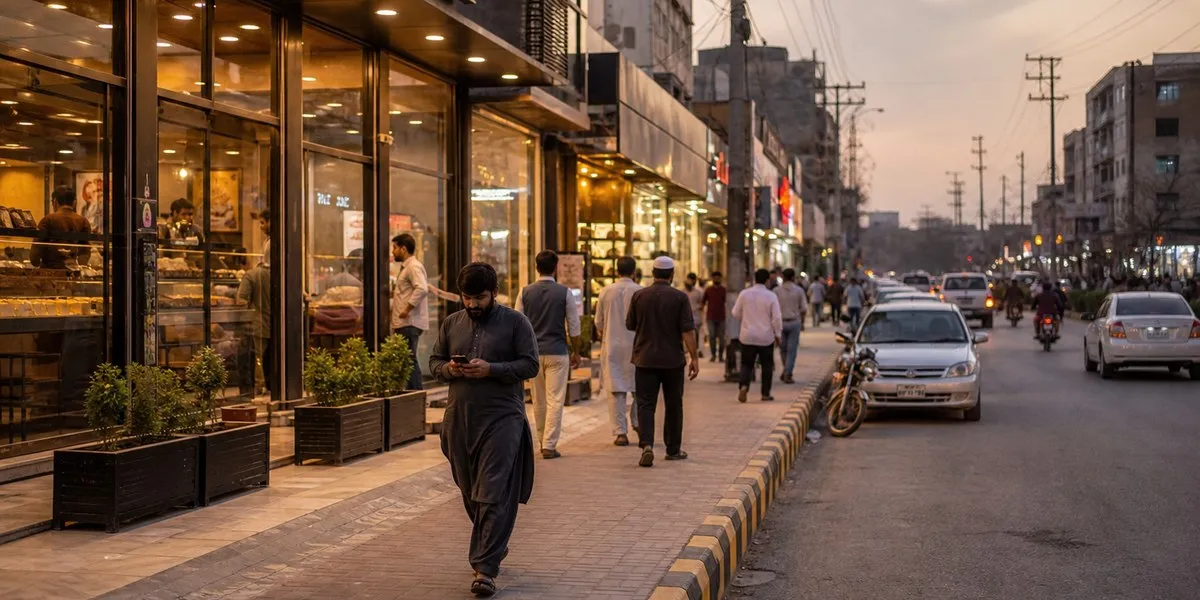










The traditional dominance of India’s primary economic hubs—Mumbai, Bengaluru, Delhi-NCR, and Hyderabad—is facing a significant shift. For decades, these metros served as the exclusive playgrounds for multinational banks, tech giants, and global consulting firms. However, as the corporate landscape evolves, companies are pivoting toward a “plus-one” operational strategy, integrating secondary cities into their national footprints to capitalize on emerging talent pools and lower overheads.
The Shift Toward Decentralized Growth
This structural transformation is already being captured in real-estate data. In the first half of 2026, office leasing activity across major Indian markets surged by 7 percent, hitting 41.6 million square feet, while vacancy rates tightened to 13.2 percent. Crucially, Tier-2 cities now command 32 percent of all planned hiring across the country.
This trend is bolstered by the maturation of digital infrastructure. As companies lean further into AI-driven remote workflows and cloud-based collaboration tools, the geographic necessity of being tethered to a top-tier metro is diminishing. Digital transformation, supported by the integration of robust Google Workspace environments and enterprise-level AI tools, allows organizations to manage distributed teams with unprecedented efficiency. By decentralizing operations, firms can tap into high-quality human capital in cities where living costs are manageable and the competition for talent is less aggressive.
Where the Next Decade of Opportunity Lies
According to industry experts, the “plus-one” strategy is identifying specific cities that bridge the gap between regional connectivity and established industrial ecosystems.
- Pune has surged ahead as a banking and mobility hub, recording a 56 percent jump in office leasing. Its proximity to Mumbai makes it a natural extension for firms scaling operations.
- Ahmedabad stands out for its strong industrial roots in pharmaceuticals and chemicals, bolstered by the highest density of flexible workspaces outside of the primary metros.
- Jaipur, Indore, and Coimbatore are rapidly emerging as destinations for IT and back-office support. These cities offer a unique value proposition: they allow professionals to build high-end corporate careers without the logistical and financial strain of relocating to a traditional high-cost metropolis.
- Lucknow, Kochi, Chandigarh, and Bhubaneswar are leveraging localized connectivity and growing educational pipelines to attract businesses looking for regional anchors. Finally, cities like Surat, Nagpur, and Patna are entering the conversation as their local economies formalize, signaling a maturation of India’s broader commercial geography.
Why the “Plus-One” Model is Here to Stay
The transition isn’t just about cutting real estate costs; it is a fundamental redesign of the workforce experience. Technology is the primary enabler of this trend. With the widespread adoption of AI-integrated platforms, companies are finding that they can maintain productivity and company culture even with a geographically fragmented staff.
For the modern professional, the appeal is clear: higher quality of life, reduced commute times, and the ability to find “big city” jobs in smaller, more accessible regions. For corporations, the strategy provides a hedge against the volatile cost-of-living increases in primary hubs.
As these emerging cities continue to build out their business infrastructure, they are expected to draw even more corporate interest. The “plus-one” approach has moved from a tactical experiment to a core business strategy, setting the stage for a more distributed, technology-first economy over the next ten years. India’s corporate map is no longer a collection of four points; it is becoming a dense, interconnected grid of opportunity.
Disclaimer: This content is auto-generated for informational purposes only.
Source: Read Original News