








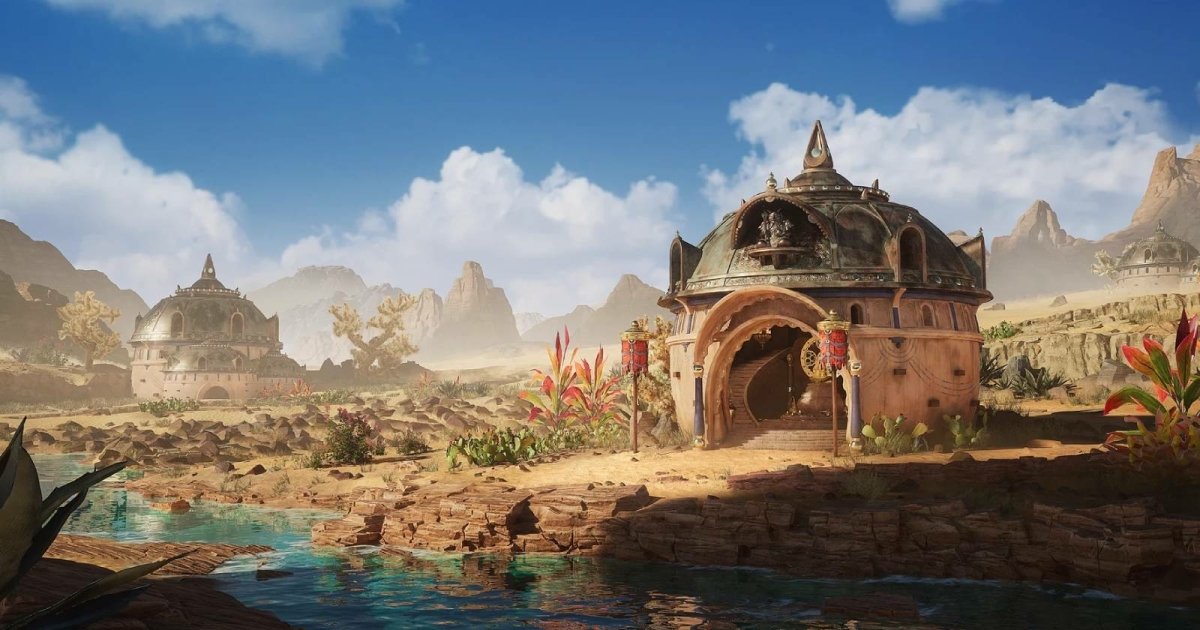
The transition from a two-dimensional artistic concept to a fully realized 3D environment requires a strategic departure from the original source material. When translating visual ideas into digital space, the primary challenge often lies in reconciling the artistic intent of a concept piece with the rigid spatial constraints of a camera-based engine. This process, known as “compositional adaptation,” demands that developers treat concepts as foundational guides rather than immutable blueprints.
One of the most critical adjustments in the environment design process is the calibration of the Field of View (FOV). Concept art frequently utilizes artistic license, employing varying perspectives that may combine disparate focal points or contradictory depth perceptions in a single frame. In a 3D environment, such as one built within Unreal Engine, the camera must maintain a consistent focal length to ensure spatial coherence. In practice, this often means physically repositioning key structures—such as a temple or a monument—to ensure that the foreground and background remain balanced. By finding an optimal FOV that anchors the focal point without pushing the background into an artificial distance, artists can create a sense of scale that feels both expansive and grounded.
The structural development of an environment typically begins with a “blockout” phase. This stage prioritizes the geometry of the landscape over aesthetic fidelity. By utilizing primitive, simple shapes, creators can establish the essential silhouette of the terrain. During this phase, the focus remains strictly on the macro-level composition: the positioning of primary architecture, the winding path of water features, and the imposing scale of background geography, such as mountain ranges. This disciplined approach prevents early-stage “clutter,” allowing the developer to confirm that the scene’s flow and hierarchy are functional before investing time in high-fidelity details.
Once the blockout is solidified, the focus shifts to detailed asset assembly. A common technique for efficient world-building involves the modular use of rock and landscape assets. Rather than modeling unique formations for every mountain, designers often rotate, scale, and combine a limited set of high-quality assets to construct vast, natural-looking rock formations. This method not only optimizes memory usage but also ensures a cohesive visual language throughout the environment, as the assets share consistent textures and geological patterns.
The final layer of environmental realism is introduced through foliage and ground-level assets. Using tools such as Unreal Engine’s Foliage Mode, developers can populate the scene with vegetation and smaller debris. However, professional environment design warns against uniform distribution. Natural ecosystems are rarely symmetrical or even; by intentionally varying density, creators can generate organic clusters of plant life while leaving open spaces that invite the viewer’s eye to travel across the scene.
Ultimately, the successful creation of a 3D environment is an exercise in iterative problem-solving. By using the initial concept as a North Star rather than a rulebook, developers can make the necessary technical adjustments to perspective, asset density, and layout. This blend of artistic vision and technical adaptability ensures that the final rendered environment functions as a cohesive, immersive world that feels both natural and intentional.
Disclaimer: This content is auto-generated for informational purposes only.
Source: Read Original News