







Indian Envoy Lambasts USCIRF for ‘Biased’ Stance on Internal Judicial Matters
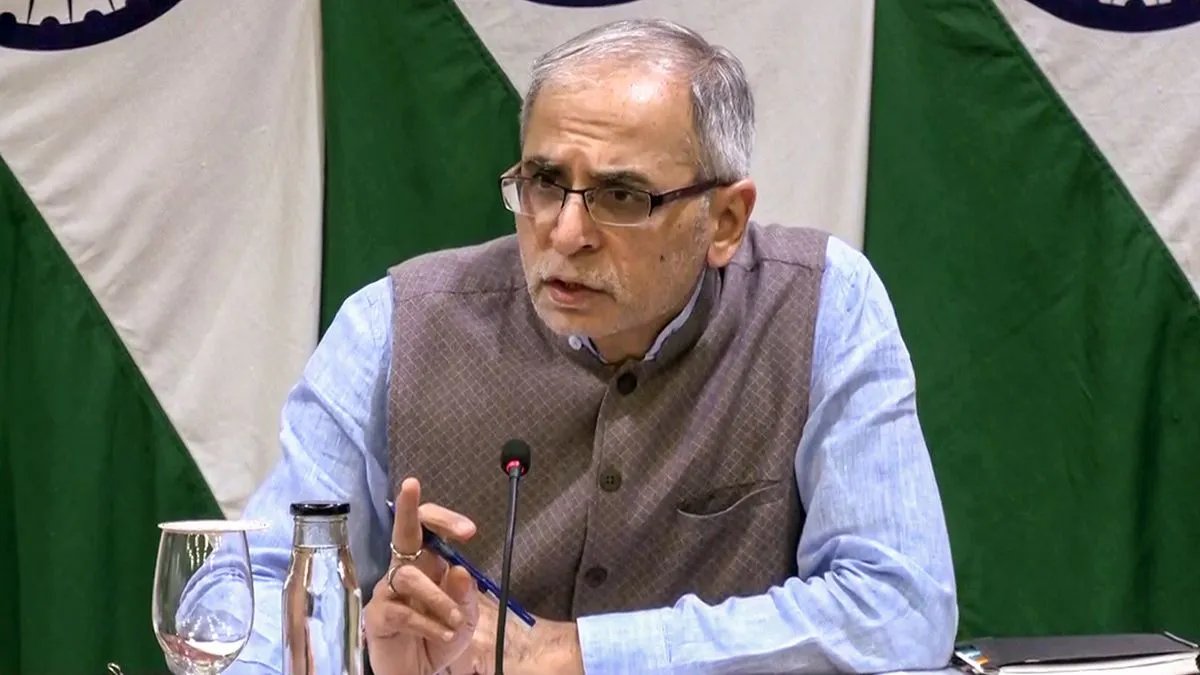
In a robust defense of India’s sovereignty, Indian Ambassador to the United States, Vinay Mohan Kwatra, has delivered a sharp rebuke to the US Commission on International Religious Freedom (USCIRF), urging the federal advisory body to abandon its habit of moral posturing and address its own internal prejudices. The statement follows an inflammatory social media post by the agency regarding the legal status of former Jawaharlal Nehru University (JNU) scholar Sharjeel Imam.
The Core of the Contention
The diplomatic friction intensified after the USCIRF utilized its official X (formerly Twitter) account to profile Sharjeel Imam, characterizing him as a “Muslim man detained in India for his religious freedom advocacy.” This portrayal stands in stark contrast to Indian judicial records, which place Imam at the center of the February 2020 Delhi riots—a period of intense civil unrest sparked by debates over the Citizenship (Amendment) Act (CAA) and the National Register of Citizens (NRC).
Imam faces severe charges under the Unlawful Activities (Prevention) Act (UAPA). Authorities have alleged that he was one of the primary instigators behind the violence, which resulted in 53 deaths and left more than 700 individuals injured. By framing these criminal proceedings as religious persecution, the USCIRF has drawn the ire of New Delhi, which views the move as an attempt to undermine India’s legal processes.
“No Locus Standi”
Ambassador Kwatra did not mince words in his response to what India characterizes as a recurring pattern of interference. “USCIRF has no locus standi to sit in judgment over the constitutional rights of Indian citizens,” Kwatra stated, firmly rejecting the body’s authority to weigh in on Indian jurisprudence.
He further characterized the agency’s reports as “habitual, partisan, ill-informed, and jaundiced.” According to the envoy, these assessments do nothing to erode the foundational constitutional commitments India holds regarding the protection of religious freedoms and equal rights for all faiths. Kwatra emphasized that India continues to thrive as a pluralistic democracy, successfully defying the “agenda-driven narratives” that the USCIRF frequently promotes.
A Call for Introspection
Directly challenging the agency’s legitimacy, the Ambassador suggested that if the USCIRF insists on taking liberties with its commentary, it would be better served by turning its critical gaze inward. “Taking the same liberty that USCIRF so readily assumes, a word of advice: introspect on your own prejudices and stop lecturing others,” Kwatra remarked.
India has long maintained that the USCIRF is an organization lacking credibility, consistently producing skewed reports that ignore the realities of the Indian subcontinent. Established in 1998 following the International Religious Freedom Act, the USCIRF acts as an independent, bipartisan federal entity. However, its recommendations remain non-binding on the US State Department, a fact that New Delhi highlights when dismissing the agency’s impact on bilateral relations.
As the diplomatic spat continues, the incident underscores the growing tension between India’s insistence on non-interference in its internal judicial affairs and the tendency of certain US advisory bodies to view domestic law enforcement through an ideological lens. For now, New Delhi remains steadfast in its position that its constitutional mechanisms are sufficient to protect its citizens without the unsolicited interference of foreign entities.
Disclaimer: This content is auto-generated for informational purposes only.
Source: Read Original News