








The recent, tragic deaths of two MBA students following a drug overdose at a music concert served as a grim reminder of a growing crisis within India’s educational landscape. When legal consequences intersect with academic life—as seen in recent Supreme Court proceedings involving a law student—it becomes clear that the issue of substance abuse is no longer a peripheral concern; it is a systemic threat to the student body. As drug peddlers increasingly target campuses to recruit young students as “mules,” the need for a robust institutional and pedagogical response has never been more urgent.
The Scope of the Crisis
Data from the 2019 National Survey on Extent and Pattern of Substance Use in India reveals that while the percentage of users might seem small, the absolute numbers run into the crores. From alcohol and cannabis to opioids and sedatives, the prevalence of substances among the youth is a national health challenge. For students, the risks are dual: the immediate physiological danger of overdose and the long-term, life-altering impact of the Narcotic Drugs and Psychotropic Substances (NDPS) Act. Given the stringent punitive nature of this law, a single instance of possession can permanently derail a promising academic and professional career.
Factors Driving Vulnerability
Modern students navigate a landscape defined by extreme career-related anxiety, the pressures of social media, and a growing crisis of social phobia. These factors, combined with trauma, isolation, and boredom, create a vacuum that illicit substances often fill. Furthermore, the “glamorisation” of drug and alcohol use in popular media diminishes risk perception among the youth. What begins as curiosity or an attempt to fit into a peer group can rapidly spiral into dependence. Educational institutions are currently struggling to address these factors, often finding that traditional disciplinary measures are insufficient to counter the accessibility and variety of modern illicit substances.
Shifting the Institutional Paradigm
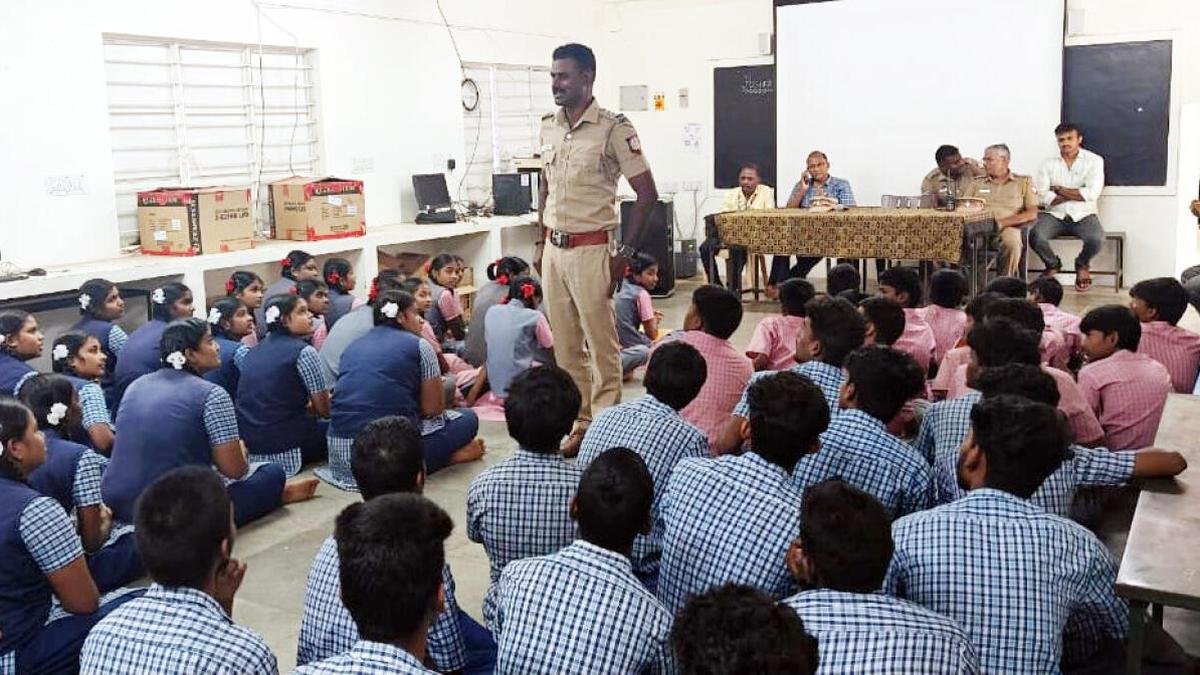
Current efforts at many educational institutions are often limited to the ceremonial observation of the International Day Against Drug Abuse on June 26—a date that frequently falls during summer vacations, rendering the outreach ineffective. To move beyond this, schools and universities must implement sustained, year-round awareness programs.
An effective institutional policy must pivot from a purely punitive model to a compassionate one. Rather than relying on social stigmatisation, which only forces the problem underground, institutions should:
- Integrate Mental Health Support: Make psychological counseling and rehabilitation services a core component of campus infrastructure.
- Encourage Observant Pedagogy: Train teachers to recognize early behavioral changes in students that may signal distress or substance experimentation.
- Promote Holistic Engagement: Redirect student energy toward skill development, athletics, and academic rigor, ensuring that the “thrill-seeking” behavior associated with substance use is replaced by meaningful, goal-oriented activities.
A Call for Collective Responsibility
The battle against drug abuse requires a tripartite effort between families, educational institutions, and the state. While law enforcement must continue its work to dismantle supply chains, educators must foster an environment where students feel safe enough to seek help without the fear of immediate expulsion or labeling.
For students, the realization must be internalised: substance use is neither a solution to academic pressure nor a badge of social status. It is a fundamental threat to their autonomy and future. As we move forward, the goal must be to build resilient campus cultures that prioritize well-being. Denying the existence of this problem is no longer an option; only through transparent, year-round, and empathetic engagement can educational institutions reclaim their role as safe havens for intellectual and personal growth.
Disclaimer: This content is auto-generated for informational purposes only.
Source: Read Original News