





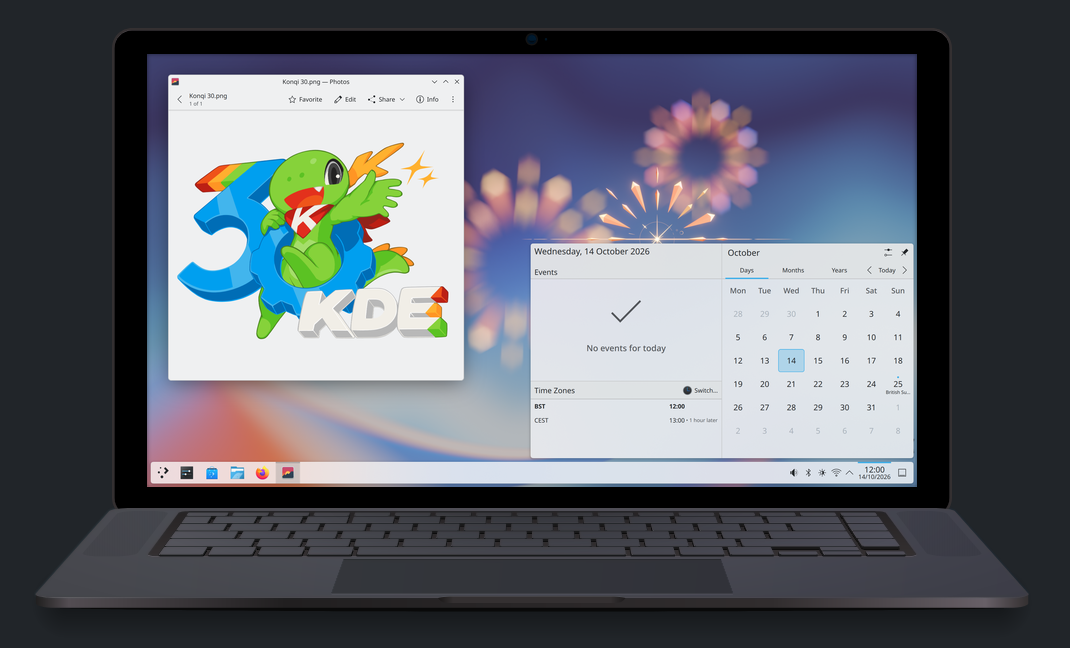
The Evolution of the Linux Desktop: Plasma 6.8 Marks a New Era
October 14 marked a significant milestone in open-source software history as the KDE project celebrated its 30th anniversary. To commemorate three decades of development, the team unveiled Plasma 6.8, a version dubbed the “30th Anniversary Edition.” This release is more than a routine update; it represents a fundamental shift in how the Linux desktop interface communicates with hardware, signaling a decisive move toward modern display protocols and increased stability. By modernizing its core architecture, KDE is positioning itself for the next generation of computing requirements.
Central to this release is the formal retirement of the native X11 session support within the Plasma desktop environment. This transition marks the end of an era for the X Window System, a protocol that has served the Unix-like landscape for over four decades. While X11 was the standard for years, its aging codebase has become increasingly difficult to maintain in the face of modern high-resolution displays, variable refresh rates, and complex GPU hardware configurations. Plasma 6.8 fully embraces Wayland, a leaner, more secure, and more efficient display protocol designed to replace X11.
Navigating the Transition to Wayland
The deprecation of native X11 sessions in Plasma 6.8 does not mean that legacy applications will cease to function. The developers have emphasized that compatibility remains a priority. Through the XWayland compatibility layer, older software that relies exclusively on X11 can still operate within a Wayland environment. This ensures that users who depend on specialized tools or older legacy software are not left behind during the migration process.
For power users or those in enterprise environments requiring legacy stability, the previous version, Plasma 6.7, remains available for those who are not yet prepared to transition. However, the industry-wide trajectory is clear. With other major desktop environments like GNOME also moving to deprecate or remove X11 session support, KDE is aligning itself with a unified standard. This convergence simplifies the maintenance burden for developers, allowing them to focus their efforts on refining features that take full advantage of Wayland’s capabilities, such as improved touch support, better screen sharing security, and superior multi-monitor handling.
Enhanced Visuals and Union Theming
Beyond the shift in display protocols, Plasma 6.8 introduces significant improvements to the user experience and interface aesthetics. The update includes expanded support for window decorations, allowing third-party applications to integrate more seamlessly into the desktop’s design language. Features like nuanced shadows, consistent rounded corners, and blur effects are now easier to implement across a wider variety of software.
The introduction of the Union theming system is a technical highlight, designed to provide a more streamlined approach to customizing the desktop interface. By standardizing the way themes are applied and managed, Union reduces the friction often associated with theming in Linux environments. This system allows for more consistent visual experiences across different applications, ensuring that whether a user is interacting with core KDE software or third-party tools, the look and feel remains cohesive. These improvements serve to solidify Plasma’s reputation as one of the most customizable desktop environments currently available.
Graphics Performance and Nvidia Integration
One of the most anticipated technical updates in Plasma 6.8 is the default enablement of triple buffering for Nvidia hardware. Historically, Nvidia users on Linux have faced unique challenges regarding desktop smoothness and screen tearing, often requiring complex configurations to mitigate display issues. The integration of triple buffering at the compositor level is a direct response to these pain points.
By implementing this natively, the KWin window manager can now provide a much smoother user experience, particularly on hardware that previously struggled with frame timing under Wayland. This change results in less perceived stutter during heavy system loads and more fluid animations. It is a critical step toward achieving the “buttery smooth” performance standard expected by modern users. Combined with the underlying architectural changes in Wayland, this update significantly lowers the barrier to entry for users with discrete graphics hardware, reducing the need for manual tweaking.
Advanced Tools for Power Users
Plasma 6.8 also introduces power-user features that streamline administrative and backup tasks. The Kup backup utility is now tightly integrated into the Plasma desktop, making it easier for users to schedule, manage, and verify their data snapshots. By bringing this functionality into the core environment, KDE is encouraging better data safety habits among its user base, providing a reliable recovery solution that is both accessible and feature-rich.
Additionally, the release debuts kscreenctl, a robust command-line utility for display management. This tool is designed for users who prefer working in a terminal or those who need to automate complex multi-monitor layouts. With kscreenctl, administrators and advanced users can script their display configurations, adjust resolutions, and handle output switching without relying on graphical menus. This level of control is essential for professional workflows, particularly in environments involving high-resolution displays, ultra-wide monitors, or unique presentation setups.
The Future of the KDE Ecosystem
As the KDE project enters its fourth decade, the combination of architectural modernization and feature enhancement demonstrates a mature approach to software development. By retiring legacy technology like X11, the team is clearing the path for innovation, allowing the platform to adopt new display technologies as they emerge. The debut of an anniversary movie alongside the release serves as both a celebration of the community’s past and a testament to its commitment to longevity.
Plasma 6.8 acts as a bridge between the historical foundations of Linux desktop computing and the requirements of future hardware. With its improved graphics performance, simplified theming, and powerful new management utilities, the release provides a compelling update for both new and long-time users. As KDE continues to refine these systems, the broader Linux ecosystem benefits from a more stable, secure, and capable desktop environment that is finally shedding the technical constraints of the previous century.
Disclaimer: This content is auto-generated for informational purposes only.
Source: Read Original News