






The Strategic Significance of Indo-French Economic Diplomacy
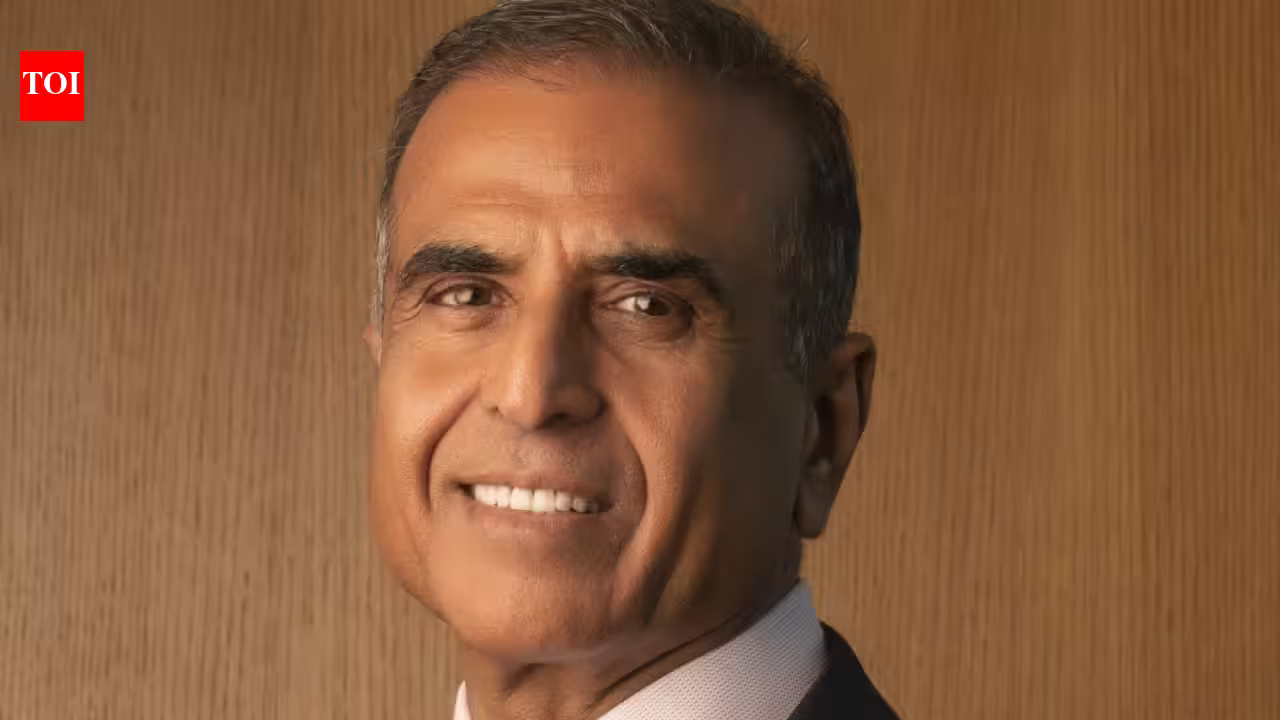
The recent conferment of the Chevalier de l’Ordre national de la Légion d’Honneur upon Sunil Bharti Mittal, chairman of Bharti Enterprises, marks a significant milestone in the maturing economic relationship between India and France. This prestigious award, established by Napoleon Bonaparte in 1802, is not merely a diplomatic gesture but a recognition of a multi-decade narrative of industrial collaboration. For Indian business leaders, such recognition underscores the growing importance of global integration, where personal professional rapport translates into tangible macro-economic outcomes.
The business landscape in India has evolved from a closed domestic market to an interconnected global player, and Mittal’s career trajectory mirrors this shift. By fostering ties with French conglomerates early in the 1990s, Bharti Enterprises demonstrated that Indian firms could compete on a global scale while leveraging international expertise. This specific award highlights the transition of the Indo-French partnership from traditional trade to high-tech synergy, particularly in telecommunications, space exploration, and digital infrastructure. As geopolitical alignments shift, the ability of Indian entrepreneurs to serve as cultural and economic ambassadors is becoming a vital asset for the nation’s soft power and industrial expansion.
Evolution of Telecommunications and Cross-Border Partnerships
Sunil Bharti Mittal’s journey in the telecommunications sector serves as a definitive case study for successful joint ventures. His collaboration with the French firm Compagnie Générale des Eaux in 1992, during the infancy of mobile telephony in India, provided the technical and operational blueprint for Airtel’s eventual dominance. This early exposure to French engineering and management practices was instrumental in scaling Bharti’s operations during India’s massive digitization wave.
Modern business leaders often struggle with the complexities of entering foreign markets; however, the model established by Mittal focuses on long-term sustainability rather than short-term gains. By maintaining a constant presence in the French business ecosystem—most notably through his role as Vice-Chairman of Eutelsat—Mittal has turned a legacy partnership into a future-facing endeavor. This continuous engagement is critical for Indian companies attempting to navigate the stringent regulatory and competitive environments of the European Union. The lesson for the broader Indian corporate sector is clear: sustained relationship management with foreign partners remains a primary driver for technology transfer and market stability.
Synergy in Space Technology and Digital Infrastructure
The timing of this recognition is noteworthy, as India and France are actively deepening cooperation in the space sector. With the rise of private satellite operators and the global demand for universal connectivity, the role of Eutelsat and other European entities has become vital for Indian telecommunications. Mittal’s leadership in this sector positions Bharti as a bridge between the European space industry and the growing indigenous capabilities of India’s space technology startups and established players.
Digital infrastructure is no longer just about laying fiber optic cables; it is about satellite-based connectivity and integrated communication networks that transcend national borders. Through his engagement with French aerospace and telecommunications technology, Mittal is helping integrate Indian digital capabilities into the global satellite architecture. This integration is essential for the Indian government’s goal of bridging the digital divide in rural areas while simultaneously establishing a domestic presence in the global space economy. The French recognition of these efforts indicates that such cross-border collaborative models are viewed as high-value assets for both nations’ national interests.
Global Recognition and the Maturation of Indian Leadership
Sunil Bharti Mittal’s receipt of the Légion d’Honneur, following his appointment as a Knight Commander of the Order of the British Empire earlier in 2024, signifies the arrival of Indian business leaders as established stakeholders in global governance. This global acceptance is a testament to the maturation of India’s private sector, which has progressed from being a recipient of foreign direct investment to an active contributor to global industrial standards.
For the domestic market in India, such recognition serves as a powerful signal to the global investment community. It confirms that the Indian corporate governance structure is compatible with international standards and that Indian business leaders are recognized partners in global progress. This level of institutional trust is invaluable when Indian companies look to raise capital, establish research and development centers in Europe, or participate in global supply chain restructuring. As more Indian leaders receive such honors, the brand equity of the “Indian entrepreneur” strengthens, facilitating easier entry and greater bargaining power in international boardrooms.
Lessons for Future Business Expansion
The trajectory of Bharti Enterprises offers several strategic insights for emerging Indian businesses seeking to grow their footprint globally. First, the importance of patience in building institutional memory cannot be overstated. Mittal’s association with France spans over three decades; he did not view France merely as a market for extraction, but as a hub for long-term collaborative knowledge sharing. This approach differentiates sustainable industrial giants from transactional firms.
Second, the focus on alignment with national goals remains paramount. Mittal’s work has consistently mirrored India’s domestic priorities—whether it was the liberalization of the telecom sector in the 1990s or the current push for space and digital sovereignty. Businesses that synchronize their global expansion strategies with their home country’s development priorities often find a more receptive audience among policymakers in both domestic and foreign jurisdictions.
Finally, the ability to pivot and reinvent is essential. Moving from cellular telephony to satellite communications proves that leaders must remain ahead of the technological curve. As the global economy pivots toward AI-driven telecommunications and space-based data networks, the collaborative model pioneered by individuals like Mittal will likely become the standard operating procedure. By securing these international alliances, Indian corporations are not only insulating themselves against domestic market saturation but are also ensuring that India remains a central node in the global technological network. The Légion d’Honneur is a public acknowledgement that these efforts have not only benefited a single corporation but have significantly enriched the economic relationship between two of the world’s most influential nations.
Disclaimer: This content is auto-generated for informational purposes only.
Source: Read Original News