






Bhutan to Erect 108 Stupas Enshrining Sacred India-Linked Relics
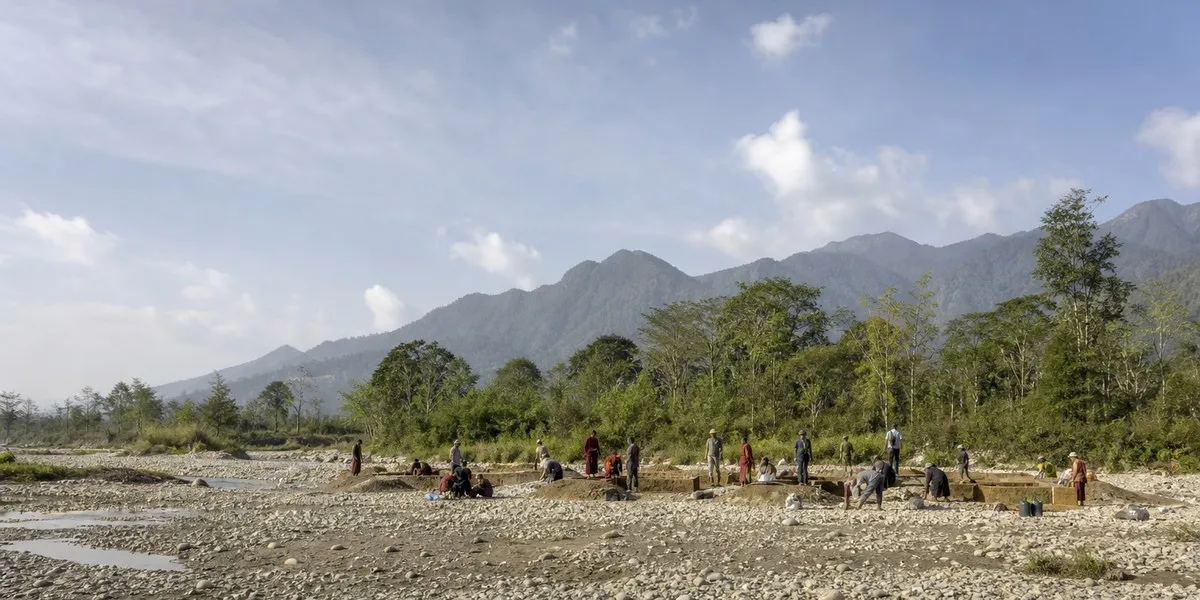
In a landmark initiative that bridges spiritual heritage and modern development, the Himalayan kingdom of Bhutan is preparing for a monumental event in the city of Gelephu. On November 1, the nation will witness the simultaneous construction of 108 jangchub chortens—stupas of enlightenment—marking a significant milestone for the region. These towering structures, which serve as symbols of peace and wisdom, will be placed along a 12-kilometer stretch flanking the Mau Chhu River, creating a profound spiritual landscape.
A Global Effort of Devotion
The project is not merely a feat of engineering but a testament to international Buddhist unity. According to Bhutan’s Central Monastic Body, the sacred relics intended to be enshrined within these stupas—primarily hair and bone fragments—have been sourced through the collective efforts of devotees from Singapore, Malaysia, Thailand, Taiwan, and Bhutan.
Choten Dorji, a senior official within the monastic establishment, highlighted the deep connection these objects have to the Indian subcontinent. Many of the relics donated by international practitioners have been traced back to their origins in India, the cradle of Buddhism. These relics, referred to as “zung,” serve as the heart of the stupas, representing the body, speech, and mind of the Buddha. Beyond the mortal remains of enlightened saints and lamas, the chortens will also house sacred scrolls, thangkas, precious gems, and protective mantras, all designed to consecrate the structures as beacons of spiritual energy.
The Foundation of Gelephu Mindfulness City
The construction of these 108 stupas is the cornerstone of a much broader, visionary project spearheaded by His Majesty King Jigme Khesar Namgyel Wangchuck: the Gelephu Mindfulness City. Located near the Indian border—adjacent to the Chirang district of Assam—the city is envisioned as a global economic hub that prioritizes holistic well-being, mindfulness, and sustainability over traditional industrial growth.
By establishing this spiritual infrastructure, the King aims to set a tone of introspection and national character for the city’s future. Project 108, which was officially announced in February, is being executed by a dedicated force of 40,000 volunteers, underscoring the collective national pride involved in the endeavor. With each stupa reaching 15 meters in height and spaced exactly 108 meters apart, the project is a carefully orchestrated design meant to harmonize with the natural environment.
A Day of Significance
The selection of November 1 for the grand unveiling is deeply symbolic. The date coincides with the 18th anniversary of the coronation of King Jigme Khesar Namgyel Wangchuck. Furthermore, it marks the dual observance of Mother’s Day and the auspicious occasion of Lhabab Duchen, or the Buddha’s Descent from Heaven Day, a time when Buddhists believe the positive effects of one’s actions are multiplied exponentially.
While the financial cost of building each stupa is estimated at approximately $200,000, the funding has been entirely crowd-sourced, supported by families, communities, and Buddhist institutions from across the globe. As the structures rise along the Mau Chhu River, they will stand as a permanent monument to the enduring cultural and spiritual ties between Bhutan and India, anchoring the future Gelephu Mindfulness City in ancient traditions.
Disclaimer: This content is auto-generated for informational purposes only.
Source: Read Original News