







WASHINGTON – The Trump administration has escalated its ongoing trade confrontation with China by blacklisting the BGI Group, a global biotechnology giant, over its alleged involvement in forced labor practices within the Xinjiang region. Effective immediately, U.S. Customs and Border Protection is barring imports from the company and its primary subsidiaries, MGI Tech and BGI Genomics, marking a significant intensification of the U.S.-China economic divide.
The Department of Homeland Security (DHS) cited “credible information” suggesting that these firms have actively collaborated with the Chinese government to facilitate the transport and recruitment of repressed ethnic minorities, including Uyghurs, into forced labor programs. This action, taken under the Uyghur Forced Labor Prevention Act, signals that the biotech sector has officially become a high-stakes battlefield in the broader struggle for technological and ethical supremacy.
Biotech as the New Strategic Front
The inclusion of BGI Group on the U.S. trade blacklist underscores a deepening anxiety in Washington regarding the intersection of biotechnology, national security, and big data. For years, U.S. policymakers have expressed concerns that BGI’s massive genetic sequencing operations could expose sensitive health data to foreign entities, potentially compromising American commercial and national security interests.
While BGI has repeatedly stated that it is a private entity and does not process data from U.S. patients, the Pentagon has previously labeled the firm a “Chinese military company.” The current administration’s move reflects a broader trend of restricting cross-border investment in sensitive fields like artificial intelligence, supercomputing, and genomics. By targeting a company that effectively maps the building blocks of life, the U.S. is signaling that it views genetic data with the same level of security concern as telecommunications infrastructure or semiconductors.
The Intersection of AI and Genomic Surveillance
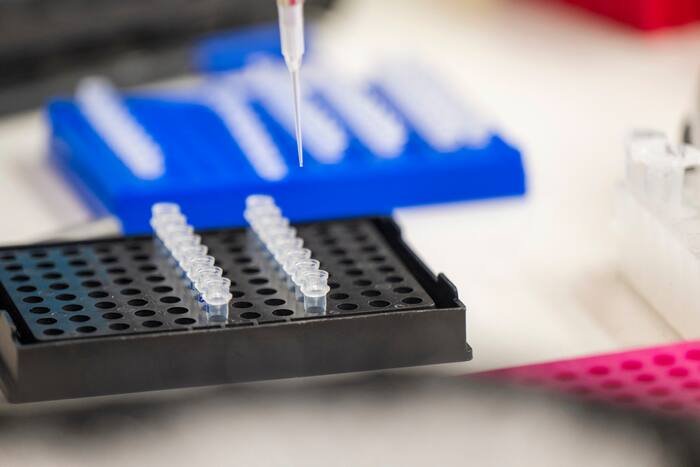
The implications of this move extend into the rapidly evolving field of AI-driven medical research. Advanced genetic sequencing technologies often rely on sophisticated machine learning models to identify patterns, mutations, and traits. DHS officials warned that the technologies developed by BGI are not merely for medical progress; they are being utilized by the Chinese government to build databases for the purpose of monitoring and suppressing specific ethnic minorities.
By cutting off U.S. access to these products, the administration is effectively forcing domestic research institutions and biotech firms to decouple from Chinese-controlled genomic infrastructure. This shift is expected to accelerate a move toward local, secure supply chains for biotechnology, as the industry continues to integrate AI as a core component of genomic analysis.
Diplomacy Amidst a Trade Truce
The timing of these restrictions is particularly delicate, occurring just weeks before a high-profile series of meetings between President Donald Trump and Chinese leader Xi Jinping. With the two nations attempting to maintain a fragile trade truce, this aggressive action suggests that the administration is willing to risk diplomatic friction to address what it views as fundamental human rights abuses.
BGI Group has issued a firm denial of the allegations, maintaining that it does not engage in forced labor and is being unfairly targeted in a geopolitical tug-of-war. However, the expansion of the “entity list” under the Uyghur Forced Labor Prevention Act—which now includes 187 firms—indicates a sustained strategy to pressure Beijing. Whether these actions will lead to a more stable bilateral relationship or further insulate the global biotech markets remains to be seen, but the message from Washington is clear: the integration of Chinese biotech into the U.S. economy is being systematically dismantled in the name of both ethics and national defense.
Disclaimer: This content is auto-generated for informational purposes only.
Source: Read Original News