




Bitter Harvest: El Niño Wreaks Havoc on India’s Sugarcane Industry
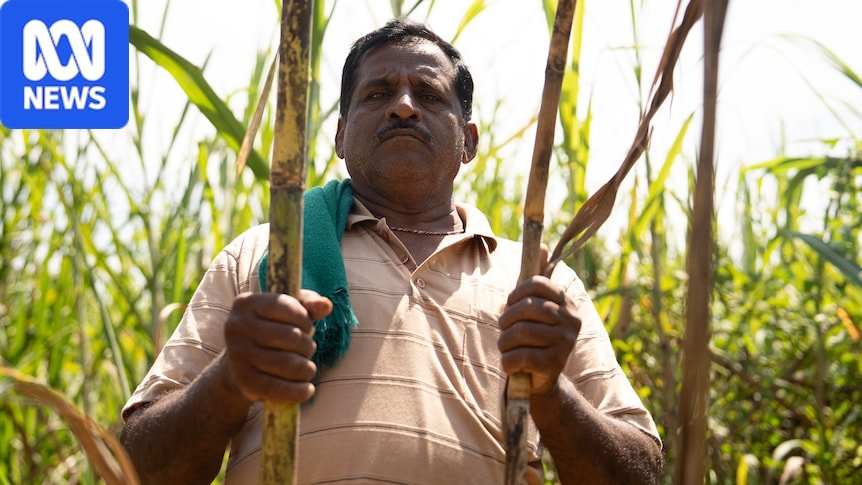
On the sun-drenched outskirts of Mysuru, the rhythm of the harvest is frantic but grim. Phailwan Venkatesh, a 63-year-old farmer, watches as his workers hack through thin, brittle stalks of sugarcane. These crops, which should be robust and juice-laden, are parched—a visual testament to a climate system failing those who depend on it most.
“There is hardly anything in this crop,” Venkatesh laments, gesturing to the dry remains of his season’s work. “It’s all dry.”
India, the world’s second-largest sugar producer and its most prolific consumer, is currently grappling with a severe agricultural crisis. The culprit is a persistent, record-setting El Niño weather pattern that has disrupted the lifeblood of the nation: the monsoon. A significant deficit in rainfall during the crucial July and August planting months has stunted growth, leaving farmers in a precarious position exacerbated by the high cost of imported fertilizers and agricultural inputs.
A Global Price Squeeze
The ripple effects of India’s struggling harvest are being felt far beyond its borders. While domestic production hasn’t seen a total collapse, the uncertainty surrounding supply has triggered volatility in international markets.
According to food system experts, climate-driven disruptions often manifest first as “price shocks.” Data from the UN Food and Agriculture Organization confirms this trend, with global sugar prices rising for four consecutive months, reaching levels not seen since early 2023. This surge is creating a ripple effect, with analysts warning that the combination of expensive sugar and cocoa is set to drive up the cost of confectionery and processed foods worldwide.
In India, the pain is immediate. Domestic sugar prices skyrocketed by over 30 per cent between July and August alone. Major industry players, such as Bajaj Hindusthan Sugar, have already reported double-digit declines in production, reflecting a broader trend of diminished yields that have plagued the industry since a series of pest-related issues hit in 2025.
Struggling to Survive
For those at the grassroots level, the math no longer adds up. Kurubar Shanta Kumar, president of the Karnataka State Sugarcane Growers Association, reports a staggering loss of 9 million tonnes of sugarcane compared to last year’s output.
“We are completely dependent on Mother Nature,” Kumar says. “We can’t grow sugarcane on computers.”
The human toll is perhaps most visible in the local markets. Small-scale vendors like Dasappa, who has operated a sugarcane juice cart in Mysuru for over a decade, have been forced to more than double their prices just to cover the soaring cost of raw cane. Meanwhile, iconic local sweet shops that specialize in traditional delicacies like Mysore Pak are teetering on the edge, attempting to absorb costs to keep loyal customers while fearing that a further price hike may be inevitable.
Government Intervention
In a bid to stabilize the market ahead of the festival season, the federal government has suspended import tariffs on sugar, green-lighting the duty-free entry of 1 million tonnes of the commodity. Additionally, a ban on diverting sugar for ethanol production has been implemented to bolster the food supply.
Yet, for farmers like Venkatesh, these macro-level policies feel distant. Burdened by debt and rising operational costs, many are finding that even with higher market prices for sugar, their net returns are insufficient to cover their investments. “We are struggling to buy food,” he says. “We have borrowed money and invested in crops that have backfired, and we are unable to repay the loans.”
With weather forecasters warning that the current El Niño cycle may persist well into 2027, the outlook for India’s sugarcane sector remains bleak. For the farmers of Karnataka, the season ahead is not just about a poor harvest; it is a desperate fight for survival against a changing climate.
Disclaimer: This content is auto-generated for informational purposes only.
Source: Read Original News