







Mount Maunganui served as the theater for a bizarre interruption on Sunday as the fifth ODI between India and New Zealand was plunged into a technical blackout, leaving fans in India staring at blank screens during a pivotal moment of the series finale.
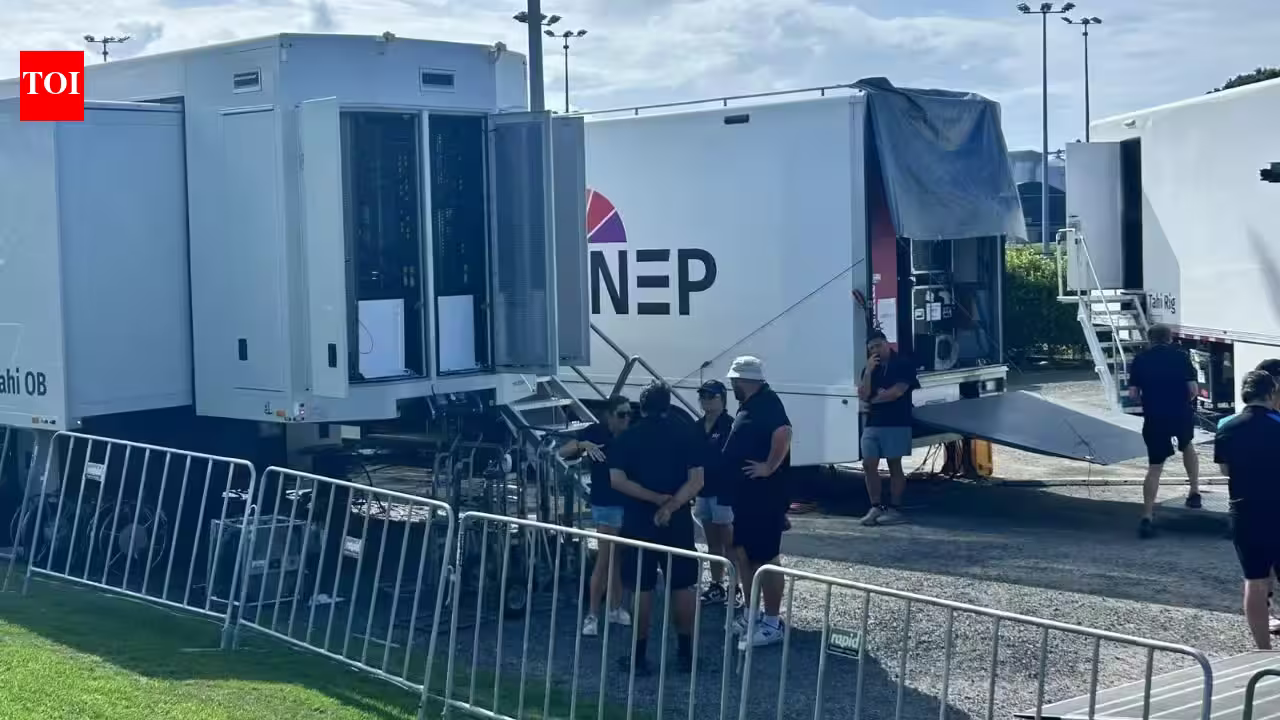
The incident, which occurred around 9:00 AM IST (4:30 PM local time), originated from a sudden power failure within the broadcast compound at the venue. For ten agonizing minutes, the live transmission was severed, leaving global viewers in the dark while the match continued uninterrupted on the field.
The Mechanics of a Broadcast Meltdown
According to reports from the scene, the failure was triggered by a systemic power collapse within the broadcast compound. While backup generators are standard protocol for international sporting events, they failed to engage instantaneously. The ten-minute delay in switching to secondary power sources meant that viewers were effectively cut off from the live feed just as the Indian innings was reaching a critical juncture.
Compounding the logistical nightmare were reports that emergency mitigation efforts, such as the deployment of a “LiveU” camera to one of the stadium’s towers, were abandoned due to time constraints. As a result, when the feed finally flickered back to life, it was a skeletal version of the high-definition production fans are accustomed to. For a brief period, viewers were limited to static, unconventional angles—primarily the stump cameras—while the crew scrambled to restore the primary production suite.
Sony Sports Network Issues Apology
As the frustration mounted across social media platforms, Sony Sports Network, the official broadcaster in India, was forced to issue a ticker during the 19th over. The message read: “We are experiencing a technical issue from the venue. We are bringing you limited camera coverage while the issue is getting fixed. We apologise for the inconvenience.”
For many digital and television consumers, the screen remained entirely blank, leading to widespread confusion among the diaspora. An industry source close to the developments was quick to clarify the chain of responsibility, noting that the production is handled by the host broadcaster, Sky Sports, and that Sony acted merely as a distribution partner.
“The production is with Sky Sports and SONY had no role in that,” the source confirmed. “It was a technical issue related to power and nothing could be done in that case. The backup generator took time, which is why the broadcast was interrupted. It very rarely happens.”
Once the power grid stabilized, operations returned to normal. The production team managed to restore the full suite of cameras, and the remainder of the match proceeded without further technical hurdles, allowing fans to witness the dramatic conclusion of the series.
India Clinches Hard-Fought Victory
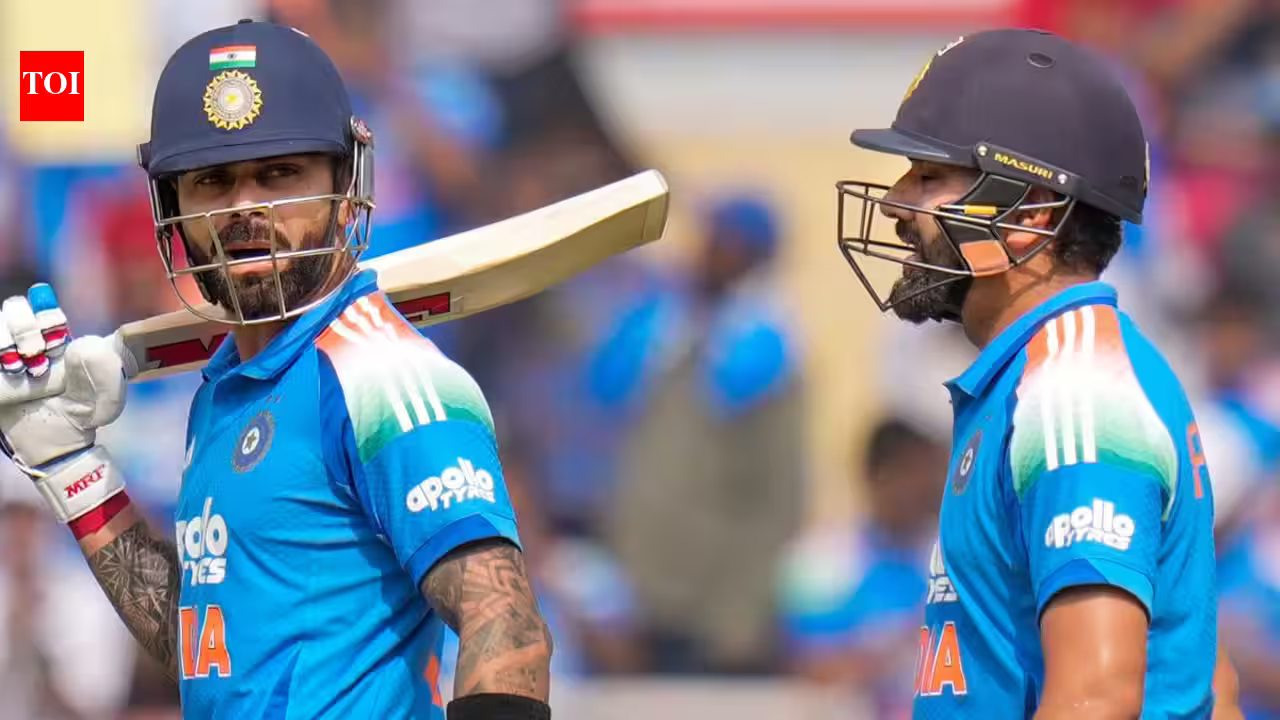
While the broadcast drama captured the headlines, the action on the pitch proved equally tense. India, batting first, struggled to build momentum on a challenging track in Mount Maunganui. Despite a spirited 46 from Axar Patel and an equally vital 46 from Ishan Kishan, the Indian side was bundled out for 209 in 42.1 overs. New Zealand’s bowlers, led by a clinical performance from Mitchell Santner (3/47) and Jacob Duffy (3/60), looked to have set up an easy path to victory for the hosts.
However, the Indian bowling attack had other ideas. Defending a modest total, the visitors showed immense grit. Arshdeep Singh emerged as the chief architect of the defense, terrorizing the Kiwi batting lineup with a match-defining spell that returned figures of 3/30.
New Zealand’s chase faltered early and never truly found its rhythm. Despite a fighting 31 from Dean Foxcroft, the Black Caps were dismissed for 187 in 48.1 overs. India’s 22-run victory served as a testament to their bowling depth, proving that even on a day when the technology failed, the team’s resolve remained fully functional.
A Rare Blip in Modern Broadcasting
In an era where international cricket is treated as a premium, seamless digital product, the Mount Maunganui outage stands as a rare and stark reminder of the fragile infrastructure required to beam sport across the globe. While the “blank screen” experience was undoubtedly frustrating for the millions of fans tuning in from India, the swift resolution ensured that the match’s integrity was preserved.
As the series concludes, the lasting memory for many will be the frantic fight for a broadcast signal, but for the players involved, the match will be remembered as a gritty, low-scoring battle that tested the tactical acumen of both sides until the final ball. For the broadcast engineers involved, however, it was a day to forget—and a cautionary tale regarding the reliance on power grids in the high-stakes world of live sports production.
Disclaimer: This content is auto-generated for informational purposes only.
Source: Read Original News