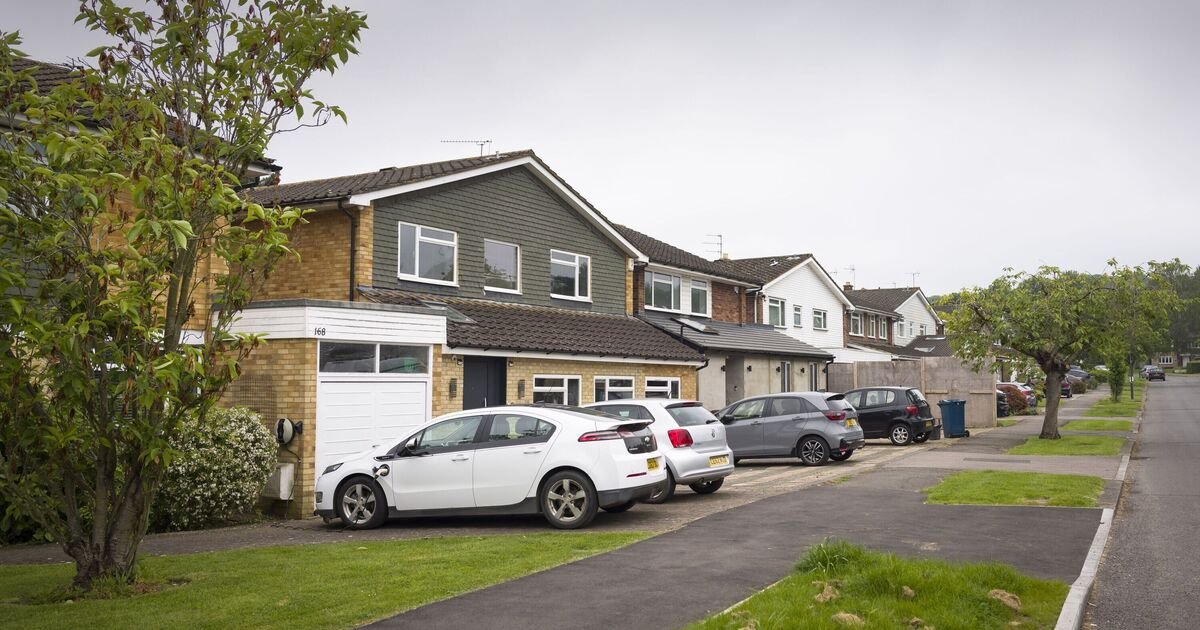
The Frustration of the Unwanted Guest
We have all been there: you pull into your street after a long day, only to find a strange car sitting squarely on your driveway. It is a moment that tests anyone’s patience. Beyond the sheer annoyance of being blocked out of your own home, there is a confusing layer of uncertainty about what you are actually allowed to do. Can you call the police? Can you have it towed? Is it legal to just roll it onto the street?
The short answer is that the situation is much more complex than most of us assume. Because parking on a private driveway is classified as a civil matter of trespass rather than a criminal act, the authorities are rarely able to step in. It leaves homeowners in a strange limbo where their property is being occupied, yet the law offers no quick, satisfying button to push to make the car disappear.
The Don’ts of Driveway Defense
It is tempting to act on impulse. When someone parks on your land, your first instinct might be to take matters into your own hands. Perhaps you think about letting the tires down, calling a private tow truck, or simply blocking the car in with your own vehicle.
Take a deep breath and resist the urge to play vigilante. Most experts agree that retaliatory actions—such as damaging the car, clamping it, or moving it by force—are often illegal and can easily backfire. You could find yourself liable for damages or even facing legal repercussions for your own actions. Private clamping is largely against the law, and damaging someone else’s property, even if they are in the wrong, is a path you do not want to walk down. Patience is your best ally here, even when it feels like the last thing you want to practice.
Taking the Measured Approach
If you find yourself in this situation, start with the most straightforward path: communication. Leaving a polite, clear note on the windshield asking the owner to move the vehicle is a reasonable first step. People sometimes make genuine mistakes or miscalculate property lines, and a calm reminder can often solve the issue without any further hassle.
If the driver is still there, try to have a civil conversation if you can safely identify them. If the issue keeps happening, it is time to start building a record. Take clear photographs of the vehicle and the situation as evidence. If the problem becomes a persistent pattern, you may need to consult a solicitor to send a formal warning letter. In extreme cases, civil court proceedings are an avenue, though they are usually reserved for the most stubborn and repetitive offenders.
Differentiating Between Public and Private Space
It is important to know where your property line ends and the public road begins. If a car is parked on the street but is blocking your access to your home, the rules shift. This is no longer just a private trespass issue. Local councils often have the authority to issue penalties or remove vehicles that obstruct access to driveways on public roads.
If you suspect the vehicle has been abandoned—perhaps it has been collecting dust for weeks—contact your local council. They have specific powers to handle abandoned cars, even on private land, provided certain criteria are met. Always check the local regulations in your area, as the rules can change depending on where you live.
Securing Your Territory
The best way to handle a parking headache is to ensure it never starts. If your driveway is a frequent target, think about how you can make it clear that it is private territory. Simple, visible signs that state “Private Driveway – No Parking” are highly effective and keep things professional.
Beyond signage, physical deterrents are the gold standard. Installing a sturdy driveway gate is the most permanent solution, but if that is too costly, consider simpler additions like decorative parking bollards, posts, or even heavy-duty cones. By clearly defining the boundaries of your home, you signal to others that this is not a public space. Taking these small steps will not only save you from future frustration but will also provide you with peace of mind every time you pull up to your front door.
Disclaimer: This content is auto-generated for informational purposes only.
Source: Read Original News