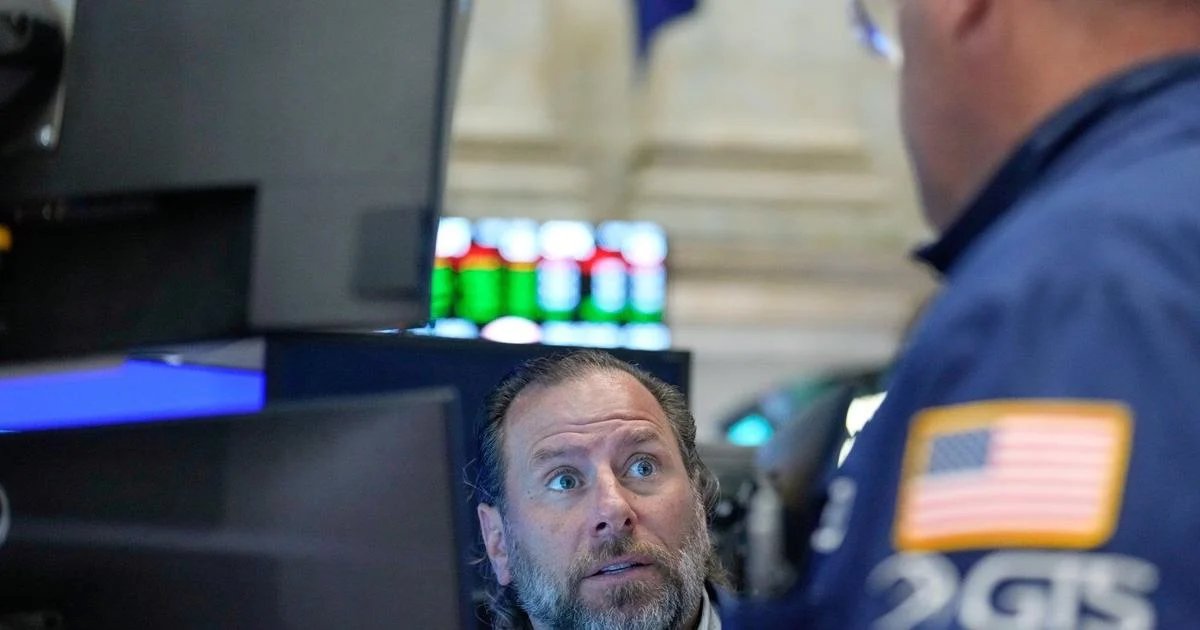









The Indian stock market witnessed a severe downturn on Monday morning, with the Sensex plummeting over 900 points within the first hour of trading. The Nifty 50, a key barometer for the country’s economic health, slipped below the psychological 23,000 threshold, deepening investor concerns. This sharp decline follows a streak of seven consecutive weeks of losses, signaling a period of significant volatility. By 10:15 am, the combined market capitalization of BSE Sensex companies had evaporated by approximately Rs 4.9 lakh crore, reflecting a widespread sell-off across sectors.
## Global Macroeconomic Pressures
The downward trajectory of the market is being driven by a confluence of international factors, most notably the resurgence of crude oil prices. With Brent crude consistently trading above the $100-per-barrel mark, the cost of India’s energy imports is ballooning, threatening both the national balance of trade and inflationary stability. Furthermore, the spike in US 10-year Treasury yields is compounding the issue. As US bond yields rise, dollar-denominated fixed-income assets become more appealing to global institutional investors, leading them to rotate capital away from emerging market equities like those in India. This shift is further fueled by growing expectations of sustained high interest rates in the United States, as the global market anticipates that inflation, stoked by high oil prices, may not subside as quickly as previously hoped.
## The Role of Technology and Institutional Shifts
While broader macro-events dominate the news, the technology sector remains a focal point for both market analysts and the workforce. As the markets tremble, the tech industry is simultaneously grappling with a wave of internal restructuring. Data analytics and automation skills have become increasingly vital, not just for company performance but for job security. Recent market reports suggest that as financial volatility rises, companies are prioritizing lean operations and high-impact talent. Those equipped with modern AI and data analytics competencies are finding themselves in a unique position to command higher pay, even while the broader tech landscape faces significant layoffs.
In the financial ecosystem, the digital transformation of trading continues to shape investor behavior. High-frequency trading algorithms—powered by advanced AI—frequently react in milliseconds to global data releases, such as the Federal Reserve’s rate comments or crude inventory reports. This algorithmic environment often exacerbates intraday volatility. Investors, meanwhile, are increasingly utilizing sophisticated financial software platforms—often integrated into the Google ecosystem through financial news aggregators and real-time data tracking apps—to monitor their portfolios. These tools have democratized access to complex financial data, allowing individual retail investors to pivot alongside the massive institutional sell-offs seen this week.
## A Broad-Based Sell-Off
The carnage in the market has been particularly pronounced in the banking and financial services sector. Because these heavyweights carry significant influence within the Sensex and Nifty indices, their simultaneous decline has acted as a catalyst for the overall market crash. Foreign institutional investors (FIIs) have accelerated their exits, contributing to the negative sentiment that domestic buying support has struggled to contain.
Geopolitical instability, particularly the ongoing tensions involving the US and Iran, continues to weigh heavily on investor sentiment. This “risk-off” environment is unlikely to stabilize in the short term, as global markets remain sensitive to every new development in the energy and diplomatic spheres. For now, market participants are keeping a close watch on whether the Nifty 50 can find a floor or if the current streak of weekly losses will extend into an eighth week.
Disclaimer: This content is auto-generated for informational purposes only.
Source: Read Original News