







US Midterms: A Historic Wave of Diversity Poised to Transform American Leadership
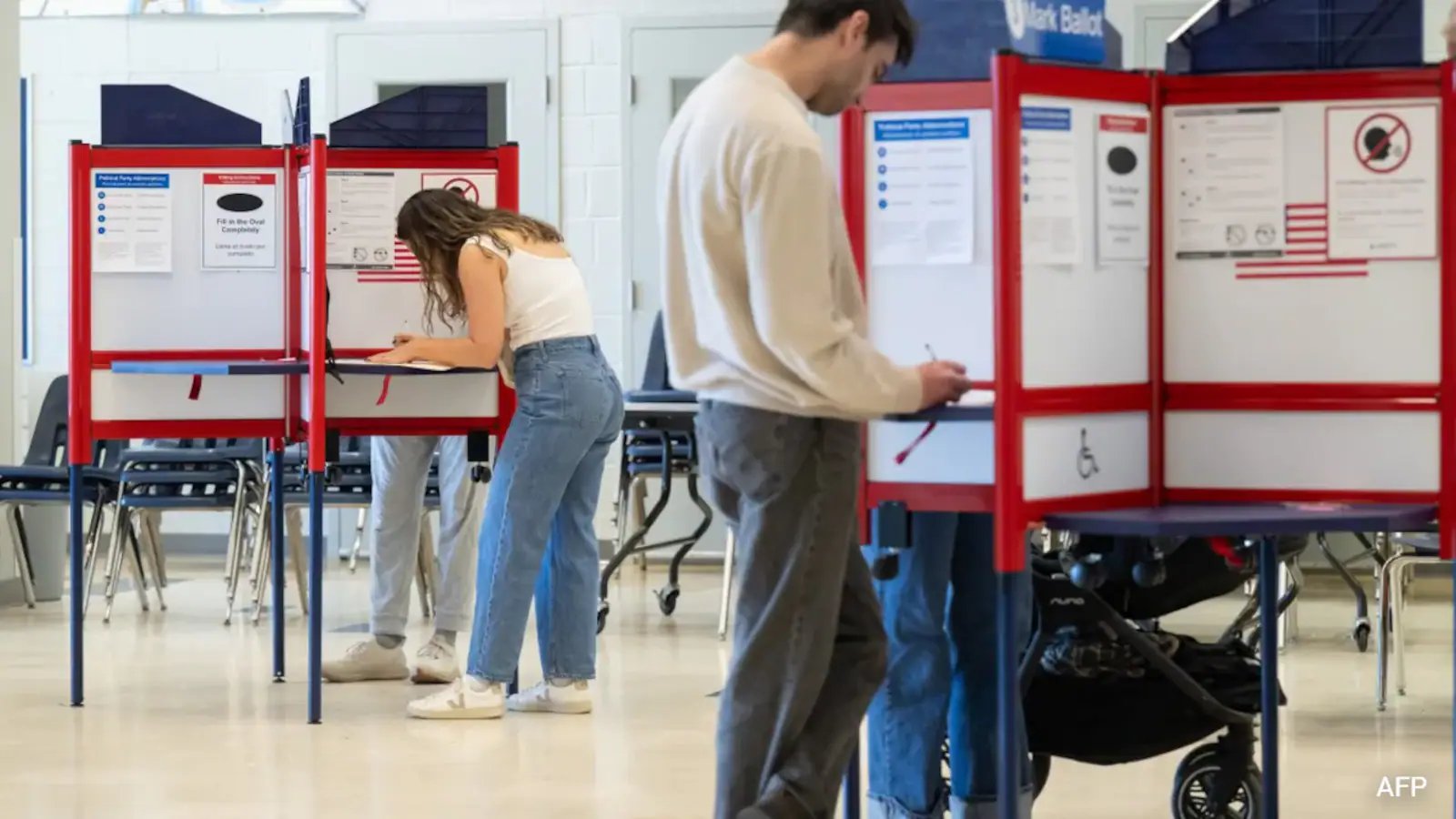
The current United States midterm elections are shaping up to be a defining moment for political representation, with a remarkably diverse cohort of candidates standing on the precipice of national milestones. As voters head to the polls, the country faces the possibility of breaking long-standing barriers, with potential firsts ranging from the first Native American female governor to the first openly gay U.S. senator.
While the primary focus remains on policy and governance, the demographic makeup of these midterm contenders highlights a significant evolution in the American political landscape. Advocacy groups and civic organizations are closely watching these races, noting that the historic nature of these candidacies is a direct result of decades of grassroots organizing and increased civic participation from marginalized communities.
Breaking Barriers in Statehouses
One of the most anticipated outcomes is in New Mexico, where Democrat Deb Haaland—already a trailblazer as the first Native American cabinet secretary—is bidding to become the first Native American woman to serve as a state governor. Her candidacy carries immense symbolic weight, as she seeks to build on a career defined by legislative and administrative firsts.
Similarly, the battle for the governorship in Georgia features Keisha Lance Bottoms, who is vying to become the state’s first Black female governor and the first person of color to hold the office. In Minnesota, the race between Lieutenant Governor Peggy Flanagan and former NFL reporter Michele Tafoya ensures that, regardless of the winner, the state will achieve a new benchmark in female leadership. Tafoya’s victory would additionally mark the first time a Latina Republican sits in the U.S. Senate.
Federal Milestones and Shifting Demographics
The U.S. Senate could also see its own series of historical “firsts.” In Michigan, Democrat Abdul El-Sayed is running to become the first Muslim American senator, navigating a campaign that has been marked by intense, often polarizing debates regarding his faith and heritage. Meanwhile, New Hampshire Representative Chris Pappas is in contention to become the country’s first openly gay senator.
These potential breakthroughs are not limited to individual candidates; they signal a broader trend in how the American electorate views leadership. As Alexis Anderson-Reed, CEO of State Voices, noted, the sheer volume of these milestone-reaching candidacies reflects a fundamental shift in the country’s demographics and its commitment to equity in democracy.
A Record-Breaking Cycle for Women
This election cycle has shattered previous records for the number of women running for high-level state and federal offices. With nearly 300 women seeking seats in the U.S. House and Senate, and a robust slate of female gubernatorial candidates across both parties, the gender gap in American politics is narrowing significantly.
In Illinois, the potential election of Democrat Juliana Stratton could lead to the state being represented by two women of color in the U.S. Senate, further underscoring the shift in legislative representation. Despite these gains, many candidates, including Pappas and Haaland, have expressed a desire to be defined by their legislative agendas rather than their identity, even while acknowledging the deep significance their victories would hold for future generations.
As the votes are tallied, the message from this midterm season is clear: the face of American power is becoming more representative of the nation it serves. Whether these candidates secure their victories, their presence on the ballot alone has already signaled a transformative chapter in the history of U.S. democracy.
Disclaimer: This content is auto-generated for informational purposes only.
Source: Read Original News