









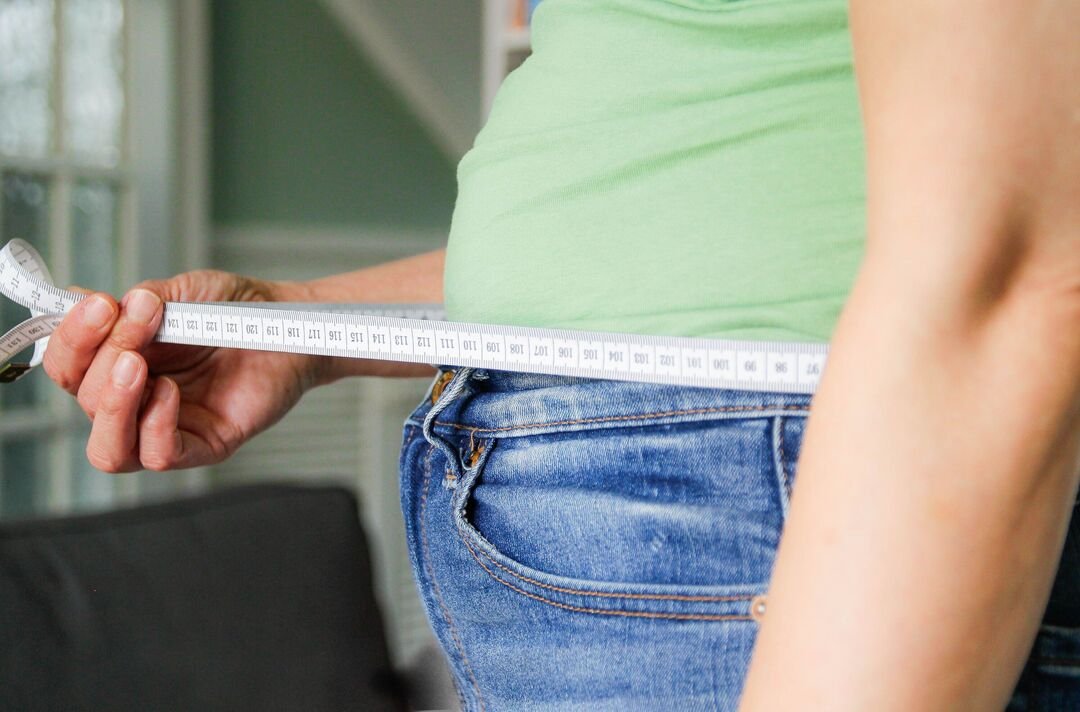

More free time could help people make healthy lifestyle changes, experts said (Image: Getty)
Switching to a four-day working week could help thousands of people slim their waistlines and escape obesity, an international study suggests. Analysis of data from 33 countries found that a 1% reduction in annual working hours was associated with a 0.16% decrease in obesity rates. NHS data for England shows three in 10 people were obese in 2024. The findings suggest that working one day less — or a 20% reduction from a five-day week — could help up to half a million people get their weight below the threshold for obesity.
Study author Dr Pradeepa Korale-Gedara, of the University of Queensland in Australia, said many people increasingly work in jobs where they are unable to burn energy, and workplace stress increases the hormone cortisol, causing people to store more fat. She said: “When people have a more balanced life, they have a better life. They have less stress, they can focus on more nutritious food and engage in more physical activities.”
Read more: Scientists say this simple diet hack could help you lose more weight
Read more: I’m a diabetes doctor — follow these three steps to put Type 2 into remission
Dr Korale-Gedara said manual jobs are now more mechanised in developed nations, meaning staff on long shifts find it difficult to burn fat while often consuming more convenience food.
The study looked at trends from 1990 to 2022 across 33 countries in the OECD, a membership organisation of high-income countries formed to stimulate economic progress and world trade.
Researchers said the study did not prove that shorter hours caused a reduction in obesity but it showed an association.
Countries with the lowest number of working hours per year in 2022 included Germany (1,340), Norway (1,422) and Belgium (1,422). The UK was in the lowest 10 countries, with 1,505 hours.
The five countries with the highest working hours were Colombia with 2282, Mexico (2,226), Costa Rica (2,149), and Chile (1,966).
Obesity rates in 2022 were highest in the USA (42%) and lowest in Japan (6%). Several countries including Chile, Mexico and New Zealand had rates exceeding 30%. The UK’s figure was 27%.
Office for National Statistics data shows more than 200,000 UK workers have switched to a four-day week since the Covid-19 pandemic.
Dr Rita Fontinha, a psychologist at Reading University, published a separate report in 2023 which found a four-day week could save businesses money while boosting employee wellbeing and job satisfaction.
Commenting on the new research, she said: “We know that obesity is related to lower incomes but it is also related to something called time poverty.
“If you work two jobs or long hours, you simply do not have the energy to cook and it becomes easier to just buy something packaged or processed. In general people are concerned about their health but sometimes busy lives just do not allow for it.

Workplace stress increases the hormone cortisol, boosting fat storage (Image: Getty)
“A four-day week or different forms of working time reduction could be associated with better choices in terms of food, exercise and sleep to contribute to healthier societies.”
James Reeves, campaign manager at the 4 Day Week Foundation, said cutting working hours to four days while still paying a full salary “could slash Britain’s obesity levels by giving millions the time they need to ditch bad habits and make healthier choices”.
He added: “It’s essential that local and national Government seriously consider the role that a shorter working week can play in improving the health of our communities.
“The nine to five, five-day working week is 100 years old and we’re long overdue an update.”
However, Dr Christopher Snowdon, head of lifestyle economics at the Institute of Economic Affairs, said: “The UK is among the 10 countries in this study with the lowest working hours and yet has one of the higher obesity rates, so the idea that a four day week would make Brits slimmer seems dubious.
“For most people, a four-day week would mean a lower income, and we know that people on low incomes are more likely to be obese. Even if they weren’t, lower incomes would still be a bad thing.”
A Government spokesperson said: “This government will not mandate a four-day work week for five days’ pay. But through the Employment Rights Act, we’re making it easier for flexible working requests to be accepted.”
The findings will be presented at the European Congress on Obesity in Istanbul this week.