








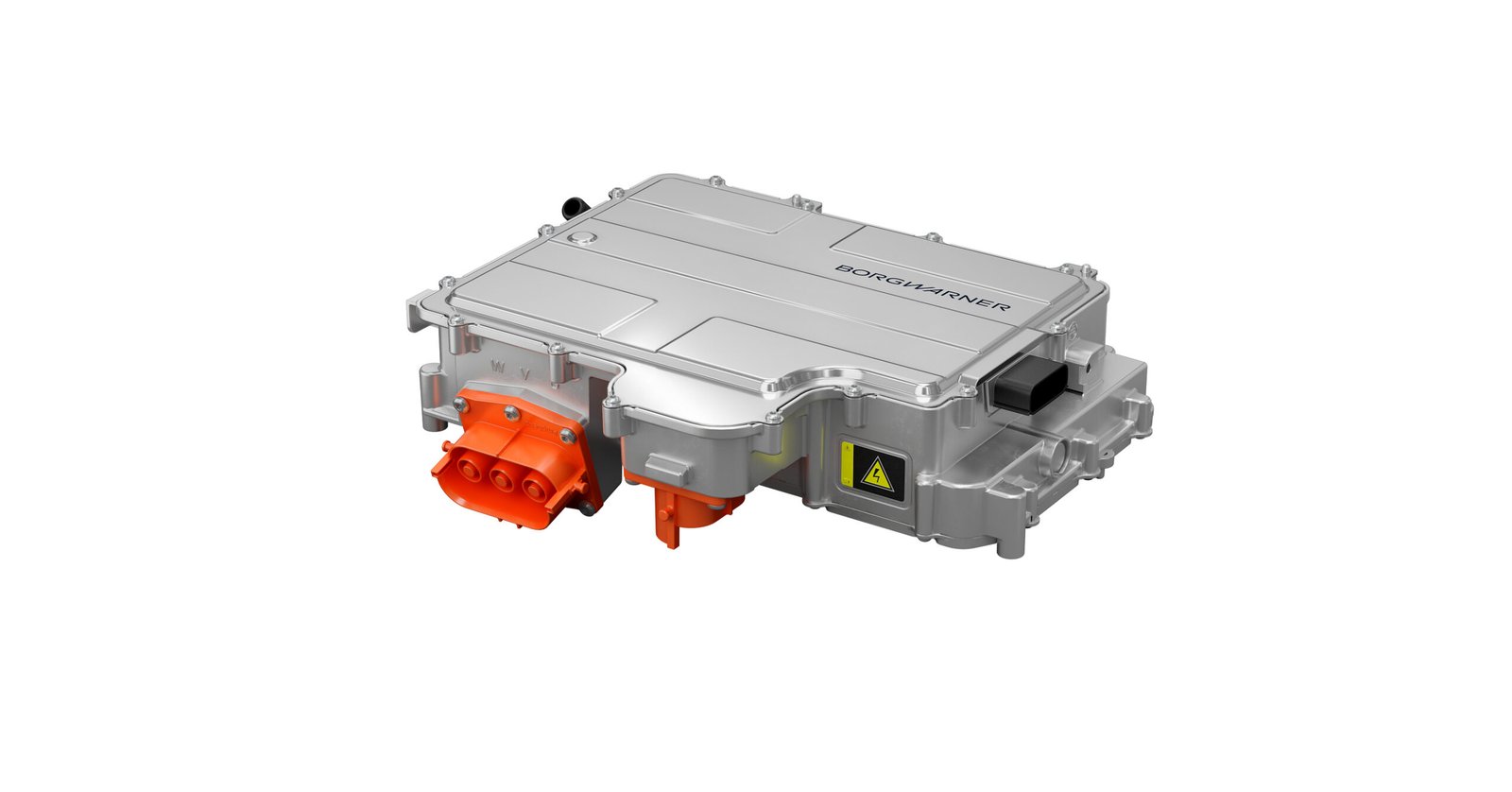
BorgWarner has secured a major contract to supply its next-generation high-voltage traction inverters to a leading global automaker, marking a significant step in the evolution of electric vehicle (EV) propulsion systems. The agreement extends a pre-existing partnership, ensuring that BorgWarner remains the primary technology provider for the manufacturer’s upcoming fleet of battery-electric vehicles (BEVs).
This announcement arrives as the automotive industry grapples with the transition to electric architectures, where power electronics serve as the heartbeat of efficiency and performance. By leveraging a refined, high-efficiency platform, BorgWarner aims to address the growing demand for EVs that offer not only longer ranges but also more accessible manufacturing costs for global brands.
Innovations in Power Electronics and Scalability
At the core of this new business win is a focus on simplified design architecture. The next-generation inverters incorporate sophisticated power module technology that significantly enhances the conversion process—turning the battery’s direct current (DC) into the alternating current (AC) required to drive electric motors.
Beyond raw electrical performance, the new system is engineered with an emphasis on “packaging flexibility.” As automotive designers seek to maximize cabin space and reduce vehicle weight, the compact nature of BorgWarner’s latest inverter allows for easier integration into diverse vehicle platforms. This scalability is a vital requirement for manufacturers looking to maintain high-volume production across various car models, from compact city commuters to high-performance SUVs.
The Intersection of AI and Advanced Manufacturing
The shift toward these high-performance inverters mirrors broader trends in the tech industry, where the integration of artificial intelligence (AI) and data-driven manufacturing is revolutionizing supply chain output. BorgWarner’s move to optimize its production methods aligns with the industry’s push toward “smart manufacturing.” By refining the assembly of complex power electronics, the company is positioning itself to mitigate some of the common cost barriers that have previously hindered mass-market EV adoption.
While the automotive sector faces significant challenges—including fluctuating commodity prices and geopolitical trade shifts—BorgWarner is relying on its robust technological roadmap to maintain its competitive edge. The company’s ability to iterate on its existing architecture, rather than reinventing its entire strategy for every new vehicle generation, allows for a faster time-to-market that is essential in the current high-stakes EV race.
Strengthening Market Position Amidst Global Competition
With this latest award, BorgWarner reaffirms its role as a critical tier-one supplier in the electrification landscape. Isabelle McKenzie, President and General Manager of PowerDrive Systems at BorgWarner, noted that the contract reflects the trust major OEMs place in the company’s ability to balance performance with fiscal sustainability.
As the industry pivots away from traditional internal combustion engines, the “inverter race” has become just as important as the competition for better battery chemistry. By securing its role in the next generation of its partner’s EV programs, BorgWarner is signaling that it is not merely a component manufacturer, but a key enabler of the ongoing energy transition. For investors and industry analysts, the win serves as a bellwether for how legacy automotive suppliers are successfully pivoting to survive—and lead—in a software-defined, electric-powered future.
Looking ahead, the success of this deployment will likely hinge on the company’s ability to manage the complexities of modern, globalized supply chains while keeping pace with the rapid innovation cycles dictated by consumer demand for smarter, faster, and more efficient electric mobility.
Disclaimer: This content is auto-generated for informational purposes only.
Source: Read Original News