









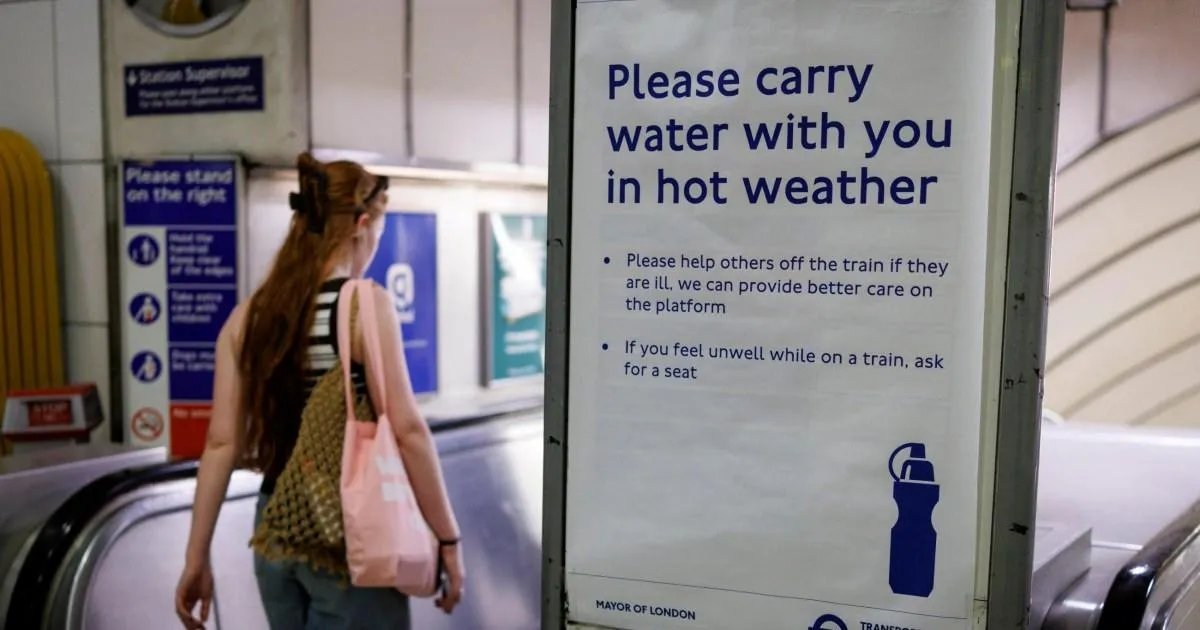
A record-shattering 5,258 deaths were linked to heat in England this year, according to the latest figures from the UK Health Security Agency (UKHSA). This harrowing toll marks the highest number of heat-associated fatalities since the agency began tracking such data in 2016, far exceeding the previous record of 2,985 deaths set in 2022.
The 2026 figures underscore the brutal reality of a summer defined by relentless, compounding heatwaves. Throughout the season, England faced a series of extreme weather events that challenged the limits of the nation’s infrastructure. The crisis began as early as late May, when temperatures soared to a record-breaking 35.1C at Kew Gardens, London.
However, the situation turned critical in late June. A prolonged heatwave prompted the Met Office to issue only its second-ever red warning for extreme heat. During that intense week, between June 21 and 28 alone, an estimated 2,401 people lost their lives to conditions that saw temperatures reach 38.0C in Norfolk. The heat persisted throughout the summer, compounded by the driest July on record, which saw a mere 7mm of rainfall—just 10% of the long-term average. The peak of the year’s heat arrived in mid-August, with Hartpury College in Gloucestershire recording a sweltering 38.2C.
Reflecting on the report, the UKHSA stated: “Summer 2026 was an exceptional summer with the highest mortality observed since 2016. Significant mortality impacts were observed early in the summer season, with over 3,000 estimated heat-associated deaths across the May and June heat episodes.”
Dr. Ross Thompson, a principal environmental health scientist at the UKHSA, warned that these tragic figures are likely a sign of what is to come. “Heat can affect anyone, but older adults, young children, pregnant women, and people with underlying health conditions are at greater risk,” Dr. Thompson said. “Climate change is already affecting people’s health in England, and as the climate continues to warm, we can expect periods of extreme heat to become longer, more frequent, and more intense.”
The data provides a stark comparison to previous years, highlighting a sharp upward trend in heat-related mortality. While 1,311 deaths were linked to heat in 2024 and 1,504 in 2025, the 2026 total of 5,258 represents an unprecedented leap in the death toll.
Dr. Thompson emphasized the urgent need for systemic change in how the UK handles seasonal extremes. “It is vital that individuals, communities, health and care services, and local organisations are prepared, not just during a heatwave but in the longer term,” he added. “The decisions we make now will shape the health impacts people experience in the decades ahead.”
Disclaimer: This content is auto-generated for informational purposes only.
Source: Read Original News