








SAN ANTONIO – More than half of the mental health-related 911 calls made in San Antonio last year were handled by standard patrol officers rather than the city’s specialized mental health units, according to data reviewed by KSAT Investigates.
Despite the city’s established protocol—which prioritizes the dispatch of the SA-CORE program, a collaborative team of police, paramedics, and clinicians—the figures presented to the Public Safety Committee in January reveal that 54% of these calls were instead managed by regular patrol units.
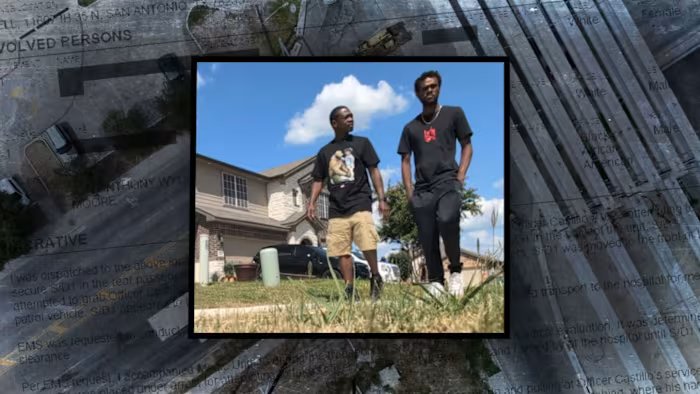
This reliance on patrol officers has sparked concern among families and mental health professionals who argue that the current system is failing those in crisis. Among those feeling the impact is Vernard Moore, whose son, 28-year-old Jon-Anthony, was in the throes of a mental health breakdown earlier this summer.
After Jon-Anthony stopped taking medication for paranoia, he disappeared. On July 12, his father tracked him for 16 hours in blistering, 100-degree heat as his son wandered near traffic with bleeding feet. Despite calling the police non-emergency line roughly a dozen times and placing six separate 911 calls, the family said they were repeatedly told that specialized help was unavailable.
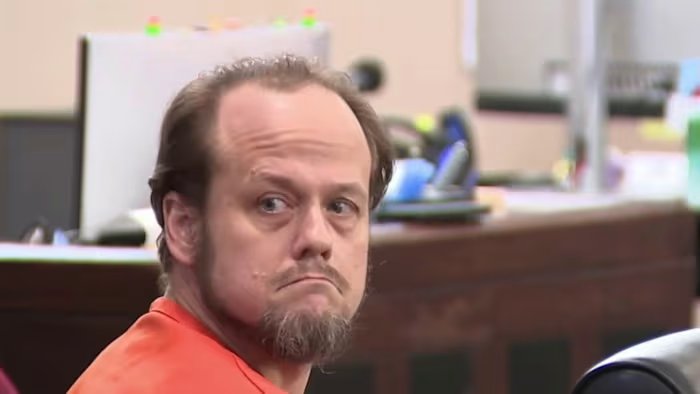
When patrol officers finally arrived during one incident, they found Vernard Moore holding his son down. Despite the father’s pleas for an emergency detention, the officers left, classifying the encounter as a “fight.” The next day, Jon-Anthony was arrested on a felony charge of attempting to take an officer’s weapon—an escalation his family believes could have been avoided with timely, specialized intervention.
Dr. Sarah Ansbro, a San Antonio psychiatrist, says the situation is part of a long-standing pattern where dedicated mental health resources are simply overwhelmed. Even when she sought help for a family member with dementia in June, she reported that initial responding officers were prepared to leave until she insisted on calling in a crisis team.
“I don’t feel like one organization is equipped to treat a situation like this,” Dr. Ansbro said, emphasizing that better outcomes require collaboration between police, families, and mental health providers.
In response to the data, newly appointed Police Chief Jesse Salame defended the role of patrol officers. He noted that while the department aims to limit the use of patrol for mental health cases, safety remains the priority.
“There are certain situations where it is very clearly a mental health disturbance, but you’ve got somebody that is either violent, threatening violence, or armed with a weapon,” Salame said. “We are not going to send out a CORE unit or the mental health unit to deal with a situation like that. When you have a weapon, when you’ve got violence, patrol is always going to be the first response.”
The department maintains that all patrol officers receive Crisis Intervention Training to help them manage such scenarios, even when specialized teams cannot be deployed. However, for families like the Moores, the statistics represent a critical gap in the safety net, leaving them questioning how many more crises will end in tragedy before systemic change occurs.
Disclaimer: This content is auto-generated for informational purposes only.
Source: Read Original News