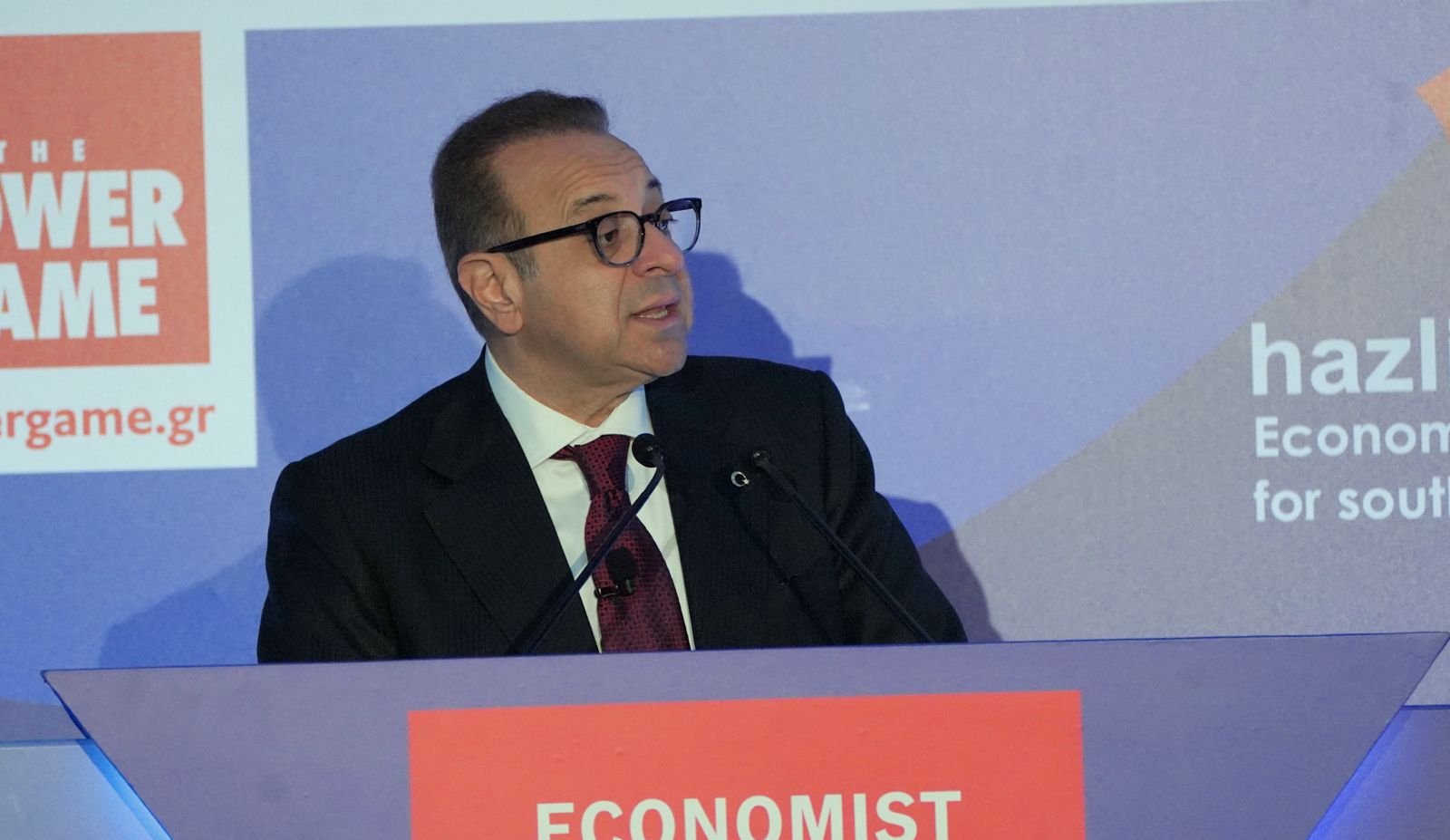
The European Union is facing mounting pressure to reform its decision-making processes as the bloc contemplates a significant expansion. Former Turkish EU negotiator Volkan Bozkır has added his voice to a growing chorus of diplomats and policy experts arguing that the current requirement for unanimity—effectively granting individual member states a national veto—is unsustainable, particularly concerning the opening and closing of accession “chapters.”
Bozkır’s comments come at a time when the EU’s institutional machinery is under intense scrutiny. As the bloc evaluates the membership bids of several Western Balkan nations, Ukraine, Moldova, and Georgia, critics argue that the “veto culture” has turned the enlargement process into a hostage situation for narrow, national interests. Under current EU rules, critical decisions regarding the integration of new member states require the consensus of all 27 existing members. This allows any single country to stall progress for years, often leveraging enlargement negotiations to extract concessions on unrelated policy matters.
“Allowing national vetoes on these decisions makes no sense,” Bozkır remarked, highlighting the systemic inefficiency that has plagued the accession process for decades. His perspective is rooted in Turkey’s own long, often stalled journey toward EU membership, which has frequently been hampered by bilateral disputes with existing member states.
The debate over the “unanimity principle” is not merely about diplomatic friction; it is increasingly viewed as an environmental and economic imperative. As the EU pushes forward with the European Green Deal and seeks to achieve climate neutrality by 2050, the ability of member states to block or delay regional integration acts as a drag on collective action. For the EU to effectively manage climate policy, energy infrastructure, and biodiversity protection across a broader, more diverse continent, proponents of reform argue that a shift toward Qualified Majority Voting (QMV) is essential.
Supporters of reform suggest that moving away from unanimity in enlargement and foreign policy would allow the EU to act more decisively on the global stage. Without such changes, the integration of new, larger members like Ukraine—which would significantly alter the bloc’s agricultural and industrial landscape—could lead to prolonged paralysis. If every step of the integration process requires a unanimous vote, the administrative burden alone could render the EU’s governing structures ineffective.
However, the path to removing the veto is fraught with political peril. Smaller member states have long viewed the unanimity rule as their primary safeguard against the dominance of larger powers like Germany and France. They argue that surrendering this “safety valve” would diminish their sovereignty and leave them vulnerable to decisions that might not align with their national or environmental priorities. For example, a country heavily reliant on coal might fear that a majority vote would force a premature transition that destabilizes its national economy.
Despite these concerns, the sheer scale of the proposed expansion has shifted the gravity of the debate. European Commission President Ursula von der Leyen and several key leaders in the European Parliament have expressed support for treaty changes that would limit the scope of the veto. They argue that the EU cannot realistically “absorb” new members while maintaining a governance model designed for a much smaller union of six or twelve countries.
As the EU prepares for a series of high-level summits, the tension between maintaining national sovereignty and fostering institutional efficiency will take center stage. Whether the bloc can find a middle ground—perhaps by limiting vetoes to specific “chapters” while retaining them for core national security issues—remains to be seen. What is clear, according to observers like Bozkır, is that the current status quo is rapidly becoming a relic of a past era, ill-suited for a bloc that must act with speed and cohesion to face the complex geopolitical and environmental challenges of the 21st century.
The upcoming discussions on EU enlargement will likely serve as a litmus test for the bloc’s willingness to undergo the deep structural evolution required to remain a functioning, influential international player. For now, the “veto” remains a powerful, if increasingly contentious, tool in the European toolkit.
Disclaimer: This content is auto-generated for informational purposes only.
Source: Read Original News