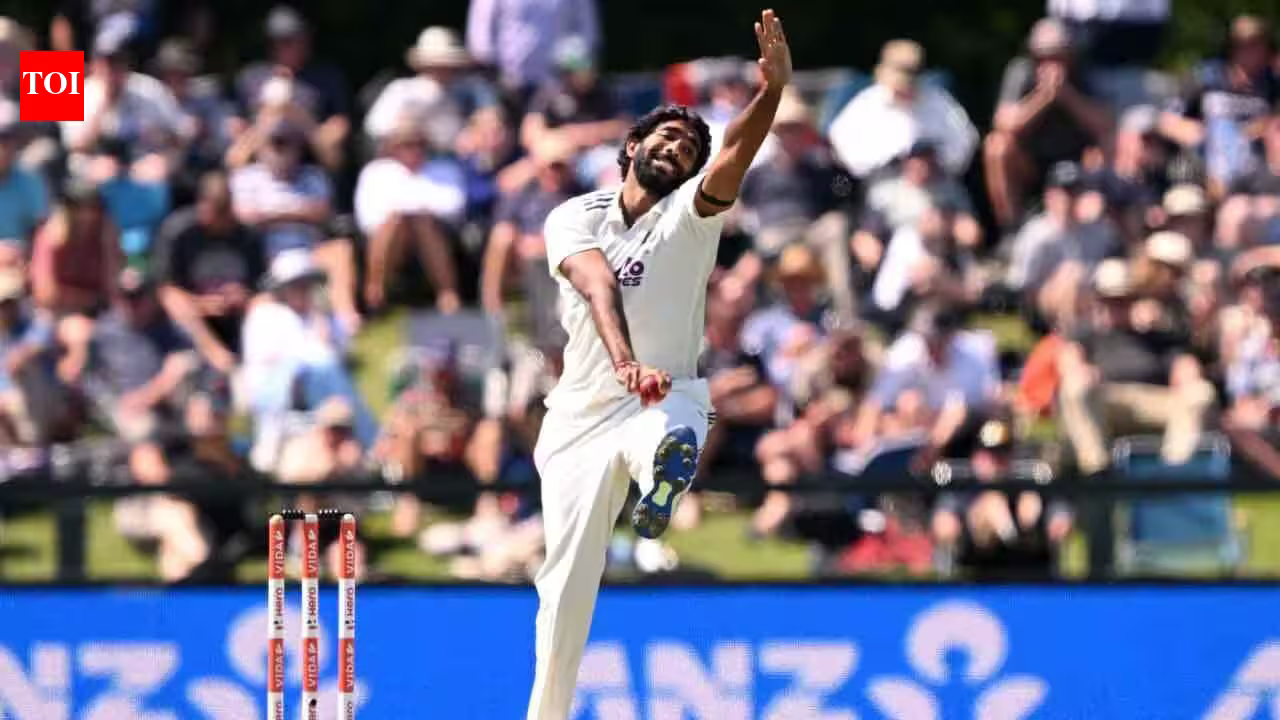









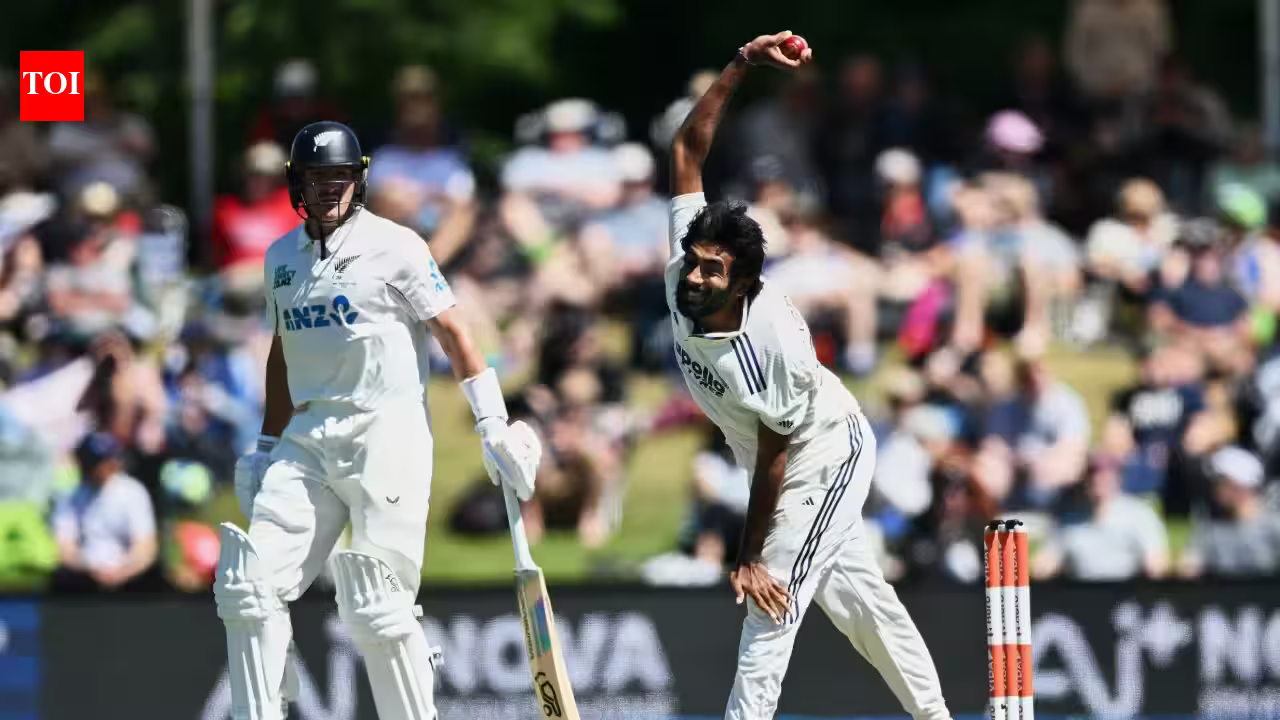
CHRISTCHURCH — In the high-stakes theater of Test cricket, few sights are more unsettling for an opposition than Jasprit Bumrah marking out his run-up. Yet, as the sun climbed over the Hagley Oval on a grueling second day of the ongoing Test, the familiar aura of inevitability that surrounds the Indian spearhead seemed to evaporate, replaced by an uncharacteristic, lingering frustration.
For 274 deliveries, Bumrah chased a wicket that stubbornly refused to come. It was a drought that spanned two innings, stretching back to the scalp of Tom Latham in Wellington. While cricket is a game of fine margins, this dry spell represents the second-longest stretch of his Test career without a breakthrough—a staggering statistic for a bowler whose very essence is to strike when the situation appears most hopeless.
The Anatomy of a Drought
Throughout his career, Bumrah has defied the nature of “benign” surfaces. He is the man who makes the ball talk when the pitch is mute, a bowler whose technical mastery and psychological dominance usually ensure a regular supply of wickets. At Hagley Oval, however, the script shifted. He found edges that failed to carry to the slip cordon and beat the bat with deliveries that would have clipped the stumps on almost any other day.
The visual of a visibly frustrated Bumrah—hands tucked behind his back, pacing the turf—was a jarring departure from his usual composed, clinical exterior. It was a portrait of a cricketer realizing that even his immense skill set is subject to the cruel whims of a game that occasionally denies greatness its due.
Captaincy and the Search for a Spark
Shubman Gill, tasked with leading the side through a challenging phase, turned to his most reliable weapon with predictable frequency. Bumrah was handed the first new ball, the second new ball, and the pivotal first over after the lunch break. When the tail-enders arrived, it was again Bumrah who was summoned. Gill’s reliance on his primary strike bowler was absolute, yet the desired outcome remained elusive.
The desperation, however, extended beyond the bowling crease. In an attempt to force the issue, Bumrah offered a glimpse into his internal laboratory. He experimented with a run-up variation—a shift toward a more front-on approach—that observers noted he hadn’t displayed in a competitive international setting in over a decade. It was a rare, naked moment of professional vulnerability. For a man who has operated at the peak of the ICC rankings for years, this experimental detour underscored a simple, haunting reality: he was hunting for rhythm in a match where he felt the world tilting against him.
The Burden of Expectation
The “Jassi bhai” effect has been the bedrock of India’s bowling success for years. The team’s unwavering faith in him has become a mantra, a shorthand for the belief that no matter how flat the track, Bumrah will eventually conjure magic. But as he labored through Day 2, even the captain’s patience appeared to thin. For the first time in his celebrated career, Bumrah was pulled from the attack after a short two-over burst against the tail—a tactical decision that spoke volumes about the current state of affairs.
Is this merely a temporary slump, or are we witnessing the repercussions of a fractured schedule? After returning to the Test arena following a nearly year-long hiatus—a period marred by recovery from a knee injury and the constant balancing act of workload management—the rust is beginning to show. The lack of consistent, high-intensity red-ball cricket is a formidable foe, even for a bowler of Bumrah’s caliber.
Looking Ahead: The Second Innings Test
As the Indian camp looks toward the second innings, the spotlight on Bumrah will be brighter than ever. He is no longer just bowling to win a Test match; he is bowling to silence the whispers regarding his match fitness and rhythm. When a bowler sets the bar at an almost unattainable altitude, every dip in form is magnified, scrutinized, and analyzed by a cricket-mad nation.
The 32-year-old’s form at Hagley Oval will serve as a bellwether for India’s bowling attack in the coming months. Does he still possess that lethal, match-winning instinct, or is the toll of sporadic appearances and injury finally catching up to his unorthodox action?
For now, the Hagley Oval pavilion holds its breath. Bumrah remains the crown jewel of India’s pace battery, but for the first time in a long time, the aura of invincibility has been replaced by a human element of doubt. The cricketing world waits, with keen eyes, to see if the “Jassi bhai” magic can be reignited, or if this prolonged wait for a wicket is a sign of a new, challenging chapter in the career of India’s most lethal pacer.
Disclaimer: This content is auto-generated for informational purposes only.
Source: Read Original News