






The Evolving Landscape of International Trade and Regulatory Friction
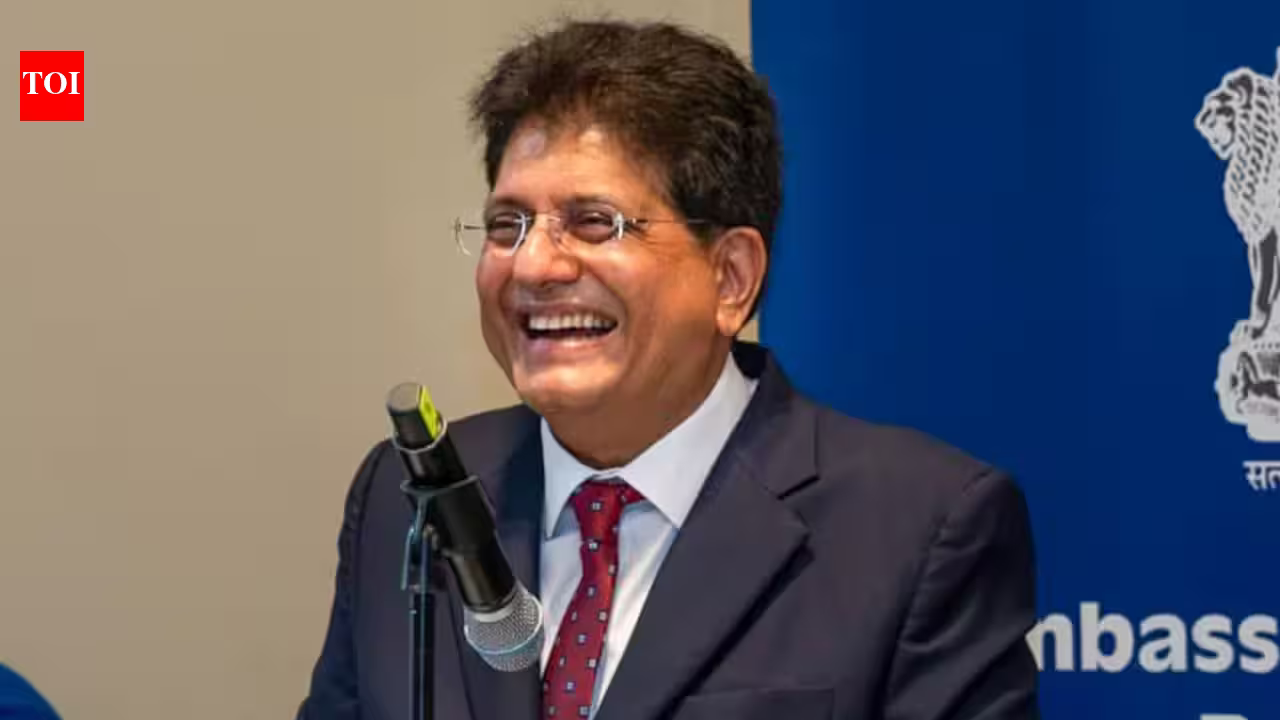
The recent dialogue between Indian Commerce and Industry Minister Piyush Goyal and Dutch officials highlights a growing philosophical divide in international trade. As global economies strive to balance economic expansion with sustainability and safety, the regulatory environments of major trade blocs, particularly the European Union, are coming under intense scrutiny. The central point of contention—the trade-off between strict regulatory oversight and the agility required by modern businesses—has become a cornerstone of discussions surrounding the future of the India-Europe economic corridor.
Businesses operating across borders are increasingly signaling that the complexity of compliance is becoming a significant barrier to entry and expansion. In the Indian context, the government has spent the better part of the last decade focusing on the “Ease of Doing Business” initiative, aiming to prune bureaucratic layers and digitize approvals. When compared to the perceived heavy-handedness of recent European mandates, this proactive stance toward deregulation serves as a compelling selling point for India as it courts foreign direct investment. The friction arises because the European Union often prioritizes consumer protection, environmental standards, and sustainability targets through expansive rulebooks, which, while beneficial for long-term policy goals, often inadvertently increase operational costs for private enterprises.
The CBAM Dilemma: Sustainability versus Competitiveness
At the heart of the current debate is the European Union’s Carbon Border Adjustment Mechanism (CBAM). This policy is designed to prevent carbon leakage by placing a price on the carbon emissions of goods imported into the EU. While the intent is to align international production with the climate objectives of the Paris Agreement, the practical implementation poses a significant challenge for manufacturing nations like India.
From the perspective of Indian policymakers, such mechanisms function as non-tariff trade barriers. They impose immense documentation and financial burdens on exporters who are often already struggling to compete with heavily subsidized European domestic industries. During his recent visit to Europe, Minister Goyal articulated a sentiment held by many global business leaders: that the world is seeking a reduction in paperwork and an increase in procedural fluidity. The challenge for India lies in navigating these high-standard markets without compromising its own industrial competitiveness. As the EU remains firm on maintaining these environmental guardrails, Indian industries are forced to accelerate their green transition, not merely to meet local targets, but to remain viable players in the European market.
Contrasting Philosophies: Deregulation versus Consumer Protection
The interaction between the Indian delegation and Dutch representatives serves as a microcosm of a larger geopolitical disagreement. The European position is rooted in the belief that robust regulation is the bedrock of consumer safety and product quality. European officials argue that deregulation should not be synonymous with the removal of oversight, but rather the modernization of existing frameworks.
In contrast, the Indian business strategy is increasingly centered on creating a frictionless environment for high-growth sectors such as clean energy, digital infrastructure, and manufacturing. This approach is dictated by the domestic necessity of scaling up rapidly to absorb a large, young workforce. For Indian leaders, the priority is to minimize the time-to-market for new ventures. When businesses are forced to spend disproportionate resources on navigating complex European compliance structures, their ability to innovate is naturally constrained. The Dutch response—defending the necessity of rules for protecting the integrity of the single market—indicates that this tension will likely persist, requiring Indian companies to develop deeper internal capabilities for regulatory compliance as they scale their European operations.
India as a Global Investment Frontier
Beyond the disputes over regulatory barriers, the India-Netherlands Business Forum served as a platform to project India as a primary destination for global capital. The narrative presented by the Indian government is focused on structural strengths: an expanding infrastructure network, a demographic dividend characterized by a young and tech-savvy workforce, and a consumer market that is becoming increasingly sophisticated.
A key area of opportunity highlighted is the shift toward clean energy. With an estimated $200 billion in investments expected in India’s energy sector over the coming years, the country is positioning itself as a hub for energy-intensive industries such as data centers and high-tech manufacturing. The integration of renewable energy into the power grid, combined with supportive government policies, is intended to lower the cost of production, thereby counteracting some of the costs associated with international trade compliance. By marketing India as a stable, growing, and increasingly deregulated destination for capital, the government is attempting to pivot the conversation from purely trade-based grievances to long-term collaborative investment.
Navigating the Path Forward for Indo-European Trade
For the Indo-European partnership to reach its full potential, a balance must be struck between the European requirement for sustainability and the Indian requirement for economic agility. As the EU continues to refine its regulatory landscape, the burden rests on both sides to ensure that these rules do not stifle trade. For Indian companies, this implies a move toward higher international standards of ESG (Environmental, Social, and Governance) reporting, which can paradoxically be used as an advantage to integrate more deeply into European supply chains.
The dialogue between Minister Goyal and his European counterparts confirms that while the regulatory climate is becoming more complex, the economic interdependency between India and the EU is growing. The future of this relationship will depend on whether both parties can foster a framework where regulatory oversight is predictable and streamlined rather than erratic and burdensome. As India continues to reform its own internal business processes to encourage faster growth, it will likely continue to advocate for a global shift toward simpler, more transparent international trade procedures. The key takeaway for investors is that despite the friction at the regulatory level, the underlying economic drivers—demand in India and the need for new markets in Europe—remain strong enough to warrant a robust and long-term commitment to this bilateral economic corridor.
Disclaimer: This content is auto-generated for informational purposes only.
Source: Read Original News