







CRICKET CALENDARS are once again on a collision course as the Pakistan Cricket Board (PCB) officially locked in the dates for PSL 12, setting the stage for a high-stakes standoff with the juggernaut that is the Indian Premier League (IPL). With the PCB confirming an 18 March to 2 May window for the 2027 season, the global cricketing landscape is bracing for yet another summer of logistical friction and commercial competition.
The announcement, finalized following high-level deliberations during a PSL Governing Council meeting in London on September 1, signals that the PCB is doubling down on its commitment to the expanded eight-team format. However, the shadow of the IPL looms large. While the Board of Control for Cricket in India (BCCI) has yet to reveal the formal schedule for the 20th edition of the IPL, the writing is already on the wall: the world’s two most prominent T20 leagues are set to overlap, testing the limits of player availability and global television viewership.
The BCCI’s Pursuit of an Earlier Start
The primary engine behind this scheduling squeeze is the BCCI’s proactive effort to mitigate environmental obstacles. For years, the latter stages of the IPL—typically held in late May—have been plagued by the dual threats of pre-monsoon rains and intense, oppressive heat. Both factors have proven detrimental to pitch quality and fan attendance, prompting the IPL Governing Council to rethink its annual blueprint.
BCCI and IPL officials, including insights shared by governing council members, have made it clear that a shift in the calendar is not just a preference but a strategic necessity. The goal is to move the tournament window to commence as early as March 10, with the objective of wrapping up proceedings by mid-May. By aiming for this earlier start, the BCCI hopes to ensure that the business end of the tournament—the playoffs and the final—remains shielded from the unpredictable weather patterns that have disrupted the game in recent years.
“We are discussing whether we can start the tournament a little bit earlier than the fag end of March,” sources within the governing council indicated. With Abey Kuruvilla, the BCCI’s general manager for games development, tasked with finding an optimal window, the league is effectively prioritizing player welfare and commercial stability, even if it creates a direct conflict with the PSL’s own established timeline.
A Precedent of Player Exodus
The anxiety surrounding this overlap is not merely theoretical; it is rooted in the disruptive events of the previous season. The 2026 campaign saw a notable trend of overseas talent abandoning PSL commitments to secure lucrative slots in the IPL, creating significant friction between franchises and players.
The fallout was visible and contentious. Several high-profile international stars, including Australian speedster Spencer Johnson, Sri Lankan all-rounder Dasun Shanaka, and Zimbabwean fast bowler Blessing Muzarabani, made the tactical decision to withdraw from their PSL contracts in favor of IPL replacement roles. The consequences were severe for some; Muzarabani, for instance, found himself slapped with a two-year ban from the PSL after opting to join the Kolkata Knight Riders, highlighting the PCB’s determination to protect the integrity of its player roster.
As PSL 12 approaches, teams will be wary of whether their top-tier overseas acquisitions remain truly committed to the full duration of the tournament or if they are merely using the PSL as a placeholder until the IPL auction or call-ups arrive.
Building on Momentum: PSL’s Vision for Growth
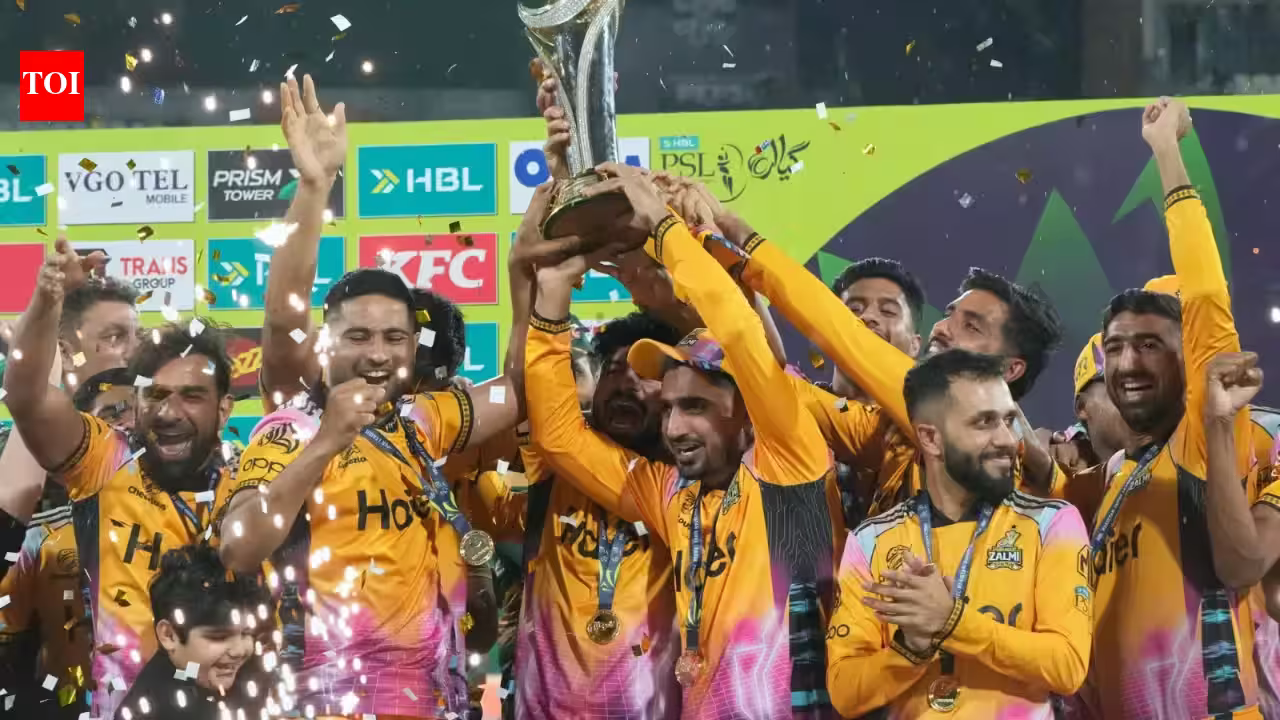
Despite the looming logistical battle, there is a palpable sense of optimism emanating from the PCB offices. Following a landmark 2026 season that saw the league transition from a draft-based system to a full-scale auction, the PSL has found a new gear. The expansion to eight teams—headlined by the arrival of the Hyderabad Kingsmen—has injected fresh life into the competition, culminating in a historic final where Peshawar Zalmi finally snapped a nine-year title drought in front of a record-breaking crowd of 32,461 at the Gaddafi Stadium.
PCB Chairman Mohsin Naqvi has expressed unwavering confidence that the league is on an upward trajectory. “PSL 11 showed the world what this league is capable of—thrilling moments that had the whole nation transfixed, record crowds, record broadcasts,” Naqvi stated. He remains steadfast that PSL 12 will “raise the bar further,” regardless of the external scheduling pressures.
The Global T20 Tug-of-War
The underlying tension between the IPL and the PSL serves as a microcosm of the modern T20 era, where the demand for premium content is at an all-time high. The IPL, with its unrivaled financial muscle and broadcast reach, inevitably dictates the tempo of the international calendar. When the BCCI pivots its schedule, leagues around the world are often forced to recalibrate.
For the fans, the overlap presents a choice of loyalties and a saturation of high-intensity cricket. For the stakeholders, it represents a scramble for market share in a crowded window. As March 2027 draws closer, the cricket world will be watching closely to see how both boards manage the fallout. Will there be room for a peaceful coexistence, or is this the beginning of a permanent state of scheduling warfare? One thing is certain: for the 2027 season, the battle for the hearts and minds of cricket fans—and the services of the world’s elite players—will be fiercer than ever.
Disclaimer: This content is auto-generated for informational purposes only.
Source: Read Original News