









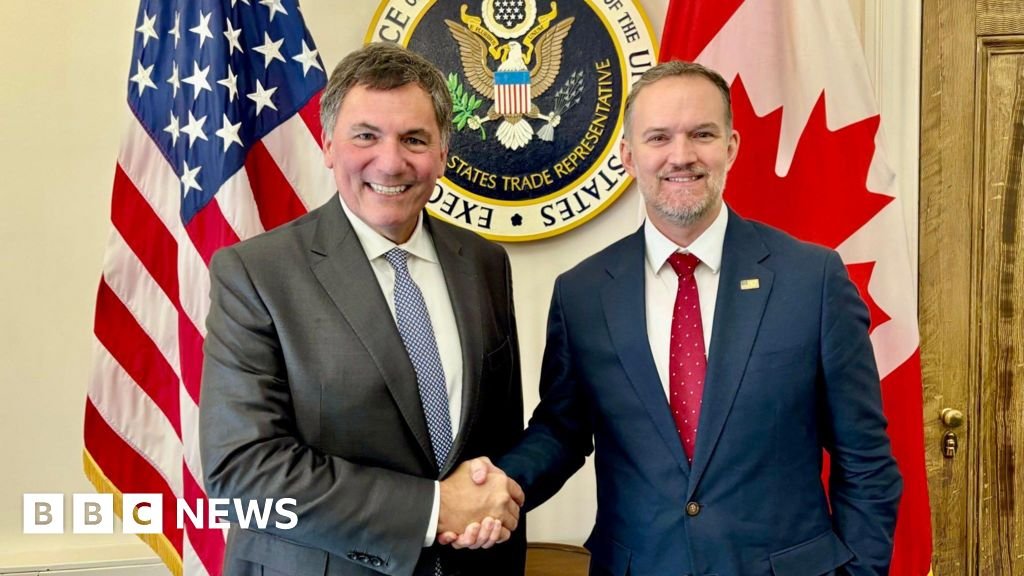
Canadian Dairy Supply Management Remains "Entirely Intact" Amidst Trade Deal Speculation
OTTAWA, CANADA – Speculation regarding potential concessions on Canada’s tightly controlled dairy sector in an upcoming trade agreement has been firmly quashed by Minister Dominic LeBlanc. Speaking on Wednesday, LeBlanc unequivocally stated that Canada’s dairy supply management program will remain "entirely intact," assuaging concerns among Canadian farmers and industry stakeholders.
The announcement comes amidst ongoing negotiations for a new trade deal, prompting questions from reporters about whether the nation’s highly protected agricultural sectors, particularly dairy, would be subject to significant changes. Minister LeBlanc’s robust declaration serves as a clear signal that the Canadian government intends to uphold the existing framework for dairy, eggs, and poultry.
Canada’s supply management program is a distinctive and often debated system that governs the production and pricing of these key agricultural commodities. Its core components include:
- Production Quotas: Farmers are allocated specific quotas, limiting the amount of milk, eggs, or poultry they can produce. This system aims to match supply with demand, preventing overproduction and price volatility.
- Set Pricing: A government-mandated pricing mechanism ensures a stable and predictable income for farmers, shielding them from the fluctuations of global markets.
- Import Quotas: Strict tariffs and quotas are imposed on imported dairy, egg, and poultry products to protect domestic producers from foreign competition.
Proponents of supply management argue that it provides stability for farmers, ensures a consistent and high-quality domestic supply of food, and prevents the "race to the bottom" seen in some unprotected agricultural markets. They highlight the program’s role in supporting rural communities and family farms.
Conversely, critics, often from countries with open agricultural markets or groups advocating for lower consumer prices, argue that supply management leads to higher prices for consumers and limits market access for foreign producers. They contend that it stifles innovation and can make Canadian products less competitive internationally.
Minister LeBlanc’s decisive statement indicates that the Canadian government continues to prioritize the stability and protection offered by the supply management system. His assurance that the program will remain "entirely intact" sends a strong message to both domestic and international partners that Canada is not prepared to make significant concessions on this front in its trade negotiations. This position will undoubtedly be welcomed by Canada’s dairy, egg, and poultry farmers, who have consistently advocated for the preservation of the system that underpins their livelihoods. The precise implications for the broader trade deal remain to be seen, but for Canada’s supply-managed sectors, the message is clear: business as usual.