








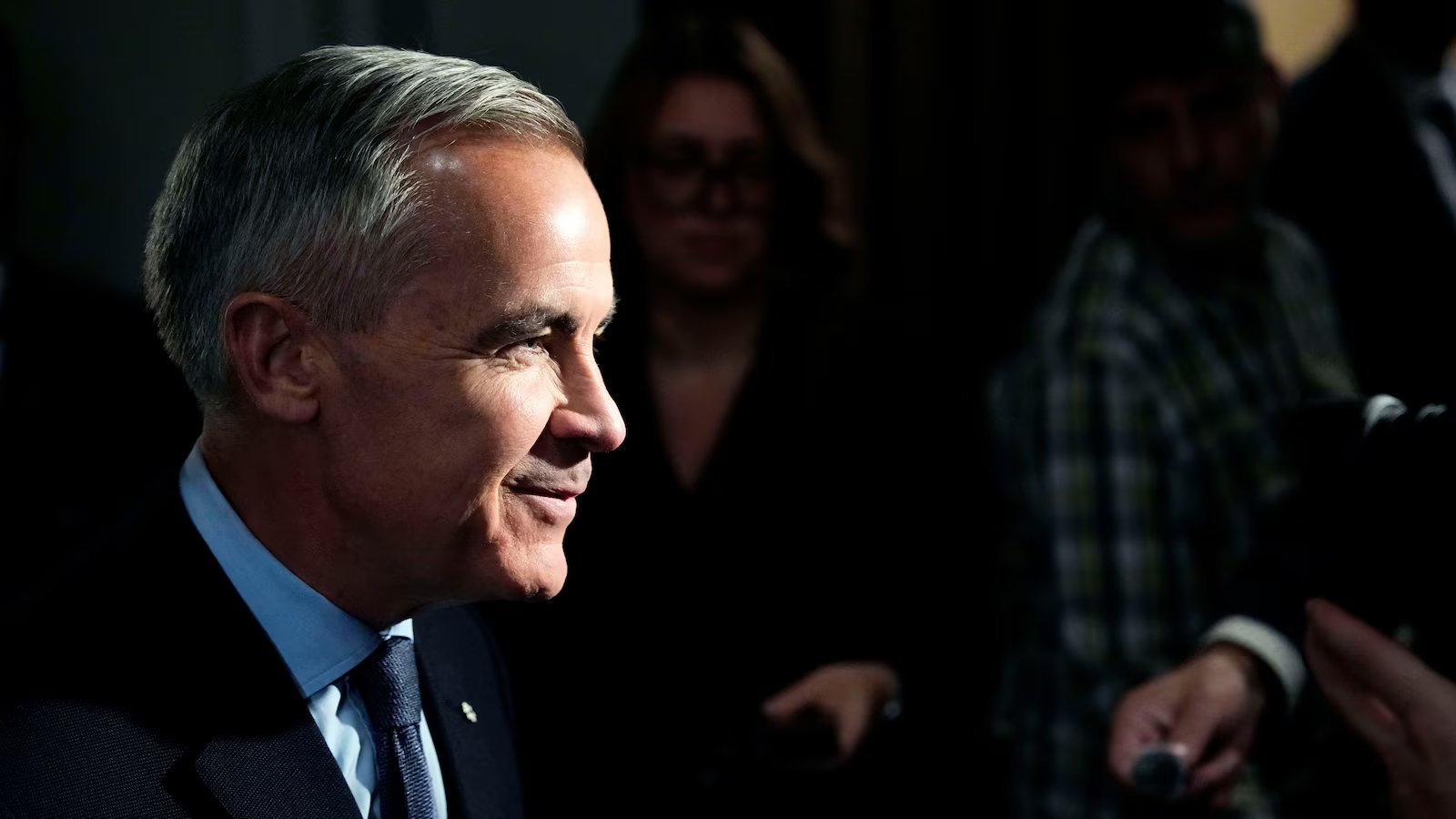
TORONTO — Canadian Prime Minister Mark Carney signaled on Monday that trade negotiations with the Trump administration have entered a period of “slight intensification,” though he cautioned that any forward momentum is entirely a result of Washington shifting toward Canada’s long-standing demands.
The update comes just eight days before U.S. midterm elections, as the White House seeks to project a sense of resolution in an increasingly volatile cross-border trade dispute. While U.S. economic adviser Kevin Hassett has indicated the two nations are nearing a deal, Carney was quick to reiterate that Canada’s core negotiating parameters remain unmoved.
## The Skepticism Behind the Signature
Despite the recent uptick in dialogue, Carney remains wary of President Trump’s commitment to any potential agreement. When pressed by reporters on whether he trusts that the president would “sign in pen” a finalized trade pact, the Prime Minister offered a pointedly non-committal response: “I don’t know that.”
This skepticism is rooted in a history of frayed relations. Canada rejected initial U.S. terms in August after determining they crossed critical “red lines,” leading the Trump administration to impose 50% tariffs on approximately $20 billion worth of Canadian goods. While President Trump recently suggested that some of these tariffs might be lifted in exchange for new levies on other products, the unpredictability of the White House has led Ottawa to seek a more diversified economic future.
## Tech and Global Trade Diversification
As the trade war continues to jeopardize the long-standing integration of the automotive and manufacturing sectors, the Canadian government is pivoting toward strategic partnerships beyond North America. Carney is hosting European Union leaders in Montreal this week to explore deeper economic and security ties.
The discussions are expected to lean into the integration of emerging industries, specifically regarding how AI-driven supply chains and global digital infrastructure can bypass current protectionist barriers. European Commission President Ursula von der Leyen has even floated the idea of Canada becoming the EU’s first associate member—a status that could fundamentally change how Canada leverages AI in global trade policy.
By aiming to double Canadian exports outside of the United States over the next decade, the government is essentially building a “digital-first” trade hedge. This strategy leverages Canada’s growing influence in artificial intelligence and clean-tech innovation to attract European investment, reducing the country’s reliance on a U.S. market that has become increasingly defined by tariffs and protectionist rhetoric.
## Election Pressures and the Tariff War
The trade conflict is also creating ripples on the U.S. political stage, particularly in states with high manufacturing ties to Canada. Republican candidates in Michigan, such as Mike Rogers, have begun criticizing the “tariff war” in campaign ads, while Senator Susan Collins of Maine has actively pressured the Trump administration to carve out exemptions for Canadian goods essential to her state’s farming and business sectors.
While President Trump continues to cite the U.S. trade deficit with Canada as a justification for his policies, economists note that the gap is almost entirely explained by energy imports. When excluding the millions of barrels of oil the U.S. purchases from Canada daily—often at a discounted price—the United States actually maintains a trade surplus.
As the midterms approach, the pressure to secure a “win” has led to conflicting signals from the White House. While the administration claims a deal is imminent, the structural disagreements over automotive production and tariff volatility continue to act as significant barriers. For now, Ottawa is maintaining its steady approach, favoring long-term stability with the European Union over the promise of a potentially transient agreement with Washington.
Disclaimer: This content is auto-generated for informational purposes only.
Source: Read Original News