









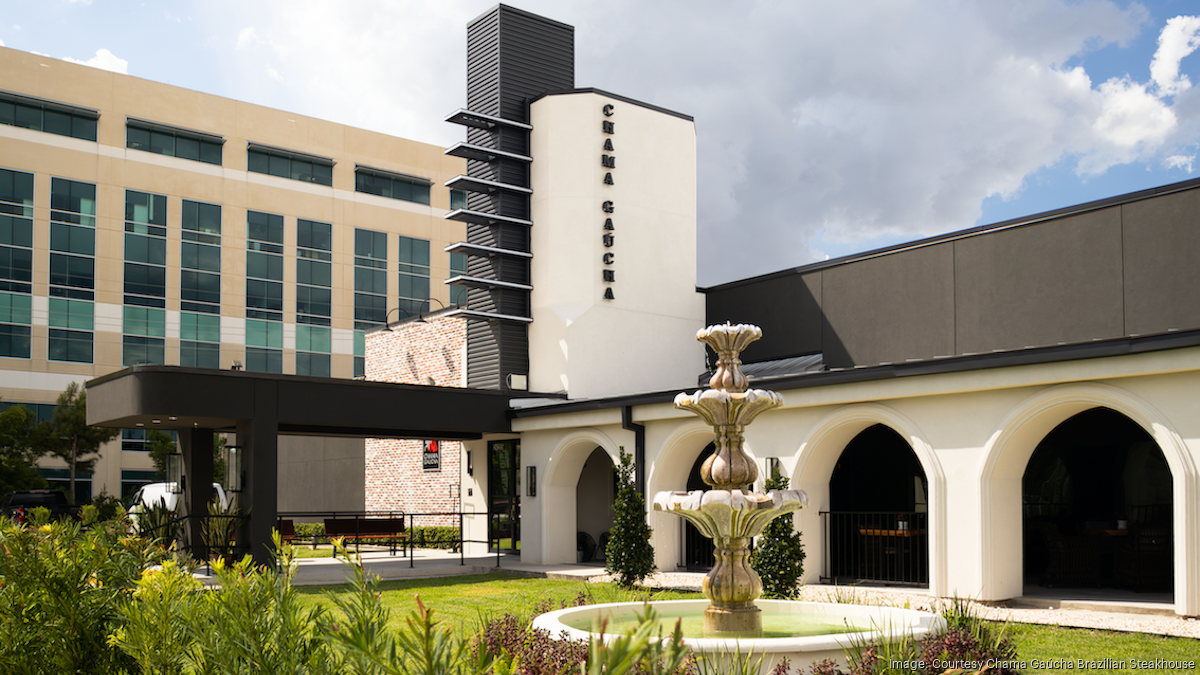
The culinary landscape of Katy, Texas, has officially expanded with the arrival of Chama Gaúcha Brazilian Steakhouse, a high-end dining establishment that brings traditional rodizio-style service to the growing suburb. While the restaurant focuses on premium cuts of meat and an expansive salad bar, the opening serves as a reminder of how digital infrastructure—specifically tools provided by Google—has become the lifeblood of the modern hospitality industry.
## Navigating the Dining Experience via Google Maps and AI
For diners planning a visit to the new Katy location, the experience often begins long before they walk through the doors. Like millions of other businesses, Chama Gaúcha relies heavily on the Google Maps ecosystem to capture foot traffic and manage customer sentiment. In an era where AI-driven search results determine where local residents choose to dine, the restaurant’s digital footprint acts as a secondary storefront.
Recent updates to Google Maps have integrated more robust AI features that allow restaurants to showcase real-time imagery, popular visiting hours, and detailed attribute lists. By utilizing Google Business Profile, the steakhouse provides potential patrons with insights into accessibility, dietary options, and, most importantly, integrated reservation capabilities. As Google continues to refine its “Search Generative Experience” (SGE), businesses in the restaurant sector are finding that maintaining accurate, AI-optimized data is no longer optional—it is a competitive necessity.
## The Role of Data Analytics in Modern Hospitality
The expansion from the chain’s longtime Westheimer location near the Galleria to Katy was not a decision made on intuition alone. Today’s restaurant groups utilize sophisticated data analytics, often fueled by cloud-based platforms, to determine market viability. By analyzing search trends, population density data, and historical foot-traffic analytics available through various enterprise tech stacks—including tools that sync with Google’s advertising ecosystems—Chama Gaúcha is able to target its marketing efforts with surgical precision.
This data-driven approach extends to operational efficiency. Modern steakhouses are increasingly adopting AI-powered inventory management systems and dynamic scheduling software that can predict demand spikes. By leveraging insights provided by Google Cloud’s predictive analytics, restaurateurs can reduce food waste and ensure staffing levels meet the actual demand of the suburban crowd, bridging the gap between traditional service and high-tech optimization.
## Digital Reviews and the Feedback Loop
As the Katy location settles into its new space, the digital feedback loop—dominated by Google Reviews—will play a critical role in its success. In the tech-forward climate of 2024, a restaurant’s “star rating” is essentially a stock price for its reputation. Google’s ongoing commitment to fighting spam and fraudulent reviews ensures that the feedback regarding Chama Gaúcha’s service and food quality remains a reliable metric for future guests.
Furthermore, the restaurant’s ability to respond to these reviews through Google’s interface allows for a nuanced level of customer relationship management. AI-assisted tools are increasingly used to help businesses categorize feedback, identifying specific pain points or praising high-performing staff members. For a brand expanding its footprint, this feedback is gold; it allows the management team to standardize the quality seen at the Westheimer location while tailoring the experience to the unique preferences of the Katy demographic.
As Chama Gaúcha begins its journey in Katy, it stands as a testament to the fact that even the most traditional industries—like the Brazilian rodizio—are deeply intertwined with the digital world. Whether it is through an AI-enhanced Google search that leads a family to a table, or the analytics driving the brand’s physical expansion, the intersection of tech and hospitality continues to define the modern dining landscape.
Disclaimer: This content is auto-generated for informational purposes only.
Source: Read Original News