







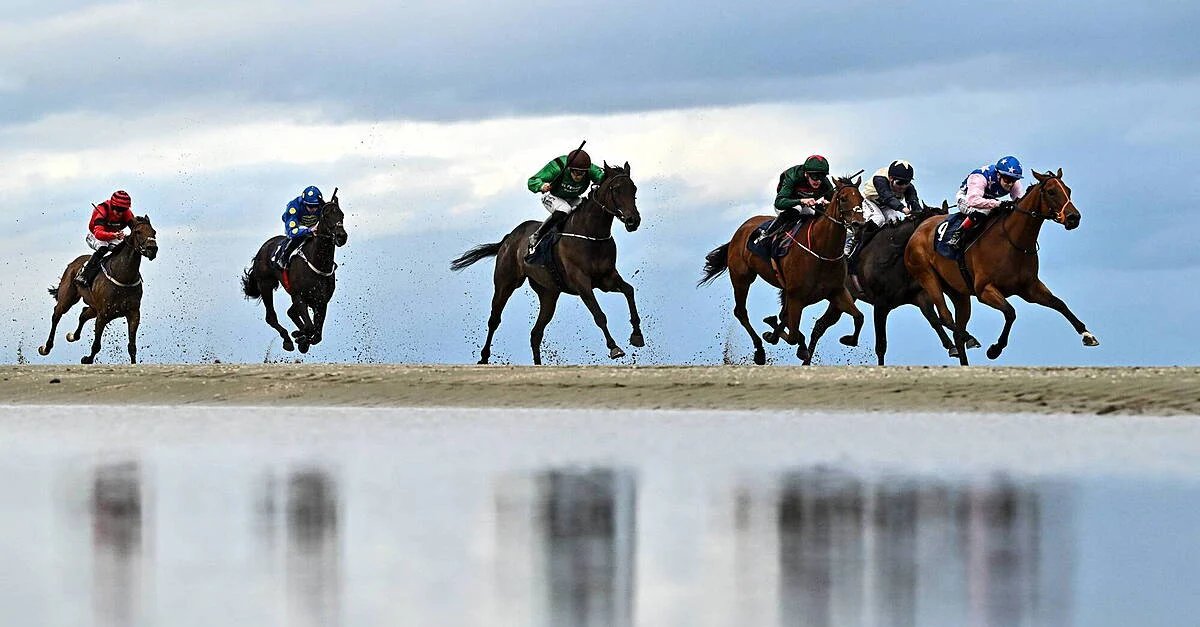
CORK — For many in the thoroughbred racing industry, the quest for the “perfect” track is an elusive, lifelong pursuit. It is a debate that spans continents, pitting the undulating turf of Cheltenham against the manicured speed of Ascot. Yet, for veteran jockey and racing aficionado Julian Thorne, the search for the quintessential racing experience has narrowed down to a single, final destination: Cork Racecourse in Mallow.
“It is the last track left to tick on my racing bucket list,” Thorne remarked while observing the track’s sweeping home straight this morning. “I’ve ridden in the sun of the Curragh and the winter mud of Aintree, but there is something about the character of Cork that has always evaded my ledger. It represents the heartbeat of provincial Irish racing.”
Cork Racecourse, known for its challenging configuration and dual-purpose nature, has long held a reputation as a litmus test for both horse and rider. Unlike the high-speed, flat-out tracks that dominate the international circuit, Cork demands a unique blend of stamina, tactical awareness, and adaptability. With its wide turns and stiff finish, the Mallow venue requires a horse that can handle the transition from speed to endurance, often testing the limits of even the most decorated champions.
The question of what makes a “good” racecourse often divides opinion among trainers and owners. Some prioritize the quality of the surface, demanding pristine, perfectly draining ground. Others look to the atmosphere, the connection between the grandstands and the final furlong. At Cork, it is the integration of these elements—the fierce competitive spirit of the local trainers, the unforgiving nature of the track’s incline, and the sheer unpredictability of the Irish weather—that cements its status as a must-visit location.
“A racecourse isn’t just about the grass or the fences,” says local racing historian Dermot O’Shea. “It’s about the soul of the place. Cork has a way of humbling the arrogant and rewarding the patient. You don’t just win at Cork; you earn your stripes.”
As Thorne prepares to experience his first meeting at the track, the racing community is reminded of the importance of these local pillars. In an era where global racing conglomerates are increasingly homogenizing the sport, the idiosyncrasies of venues like Cork provide a vital link to the heritage of equestrian sport.
Whether it is the roar of the crowd rising above the Mallow breeze or the tactical duel unfolding across the final three furlongs, the allure of Cork remains as potent as ever. For Thorne, the visit is more than just a box to tick; it is a pilgrimage to the core of what makes racing in Ireland a world-renowned spectacle. As the first race of the day approaches, the verdict is already clear: Cork is not just another track—it is an essential chapter in the story of every true racing enthusiast.
Disclaimer: This content is auto-generated for informational purposes only.
Source: Read Original News