









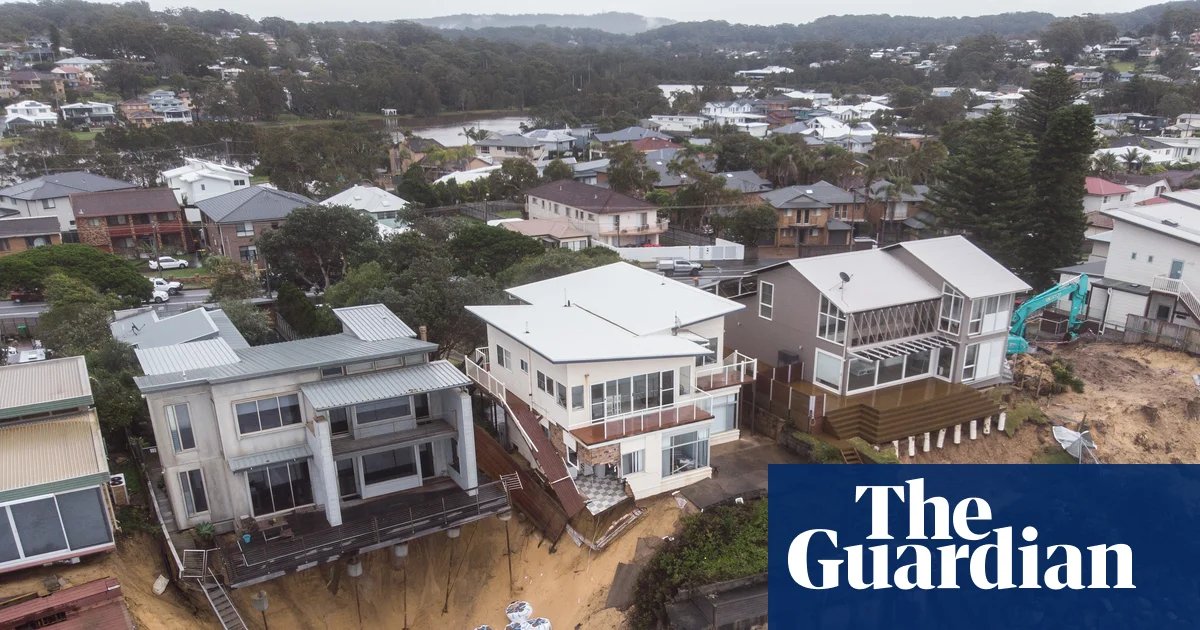
The Australian government’s seventh Intergenerational Report, intended to map the nation’s economic trajectory to 2066, has faced immediate and sharp backlash from climate experts, who accuse the report of dangerously underestimating the fiscal and social fallout of the worsening climate crisis.
While the report acknowledges that sea-level rise, hotter temperatures, and an increase in the frequency of natural disasters pose a “significant economic risk” to Australia over the next four decades, it largely characterises the specific impacts of global heating as “highly uncertain.” Government officials pointed to the unpredictability of the global energy transition as a primary reason for this lack of granular detail.
However, critics argue that such ambiguity is a form of regulatory negligence. Associate Professor Ben Neville, deputy director of Melbourne Climate Futures at the University of Melbourne, slammed the report for ignoring the “economic damage that the changing climate already is and will increasingly bring.”
“Not integrating this perspective when forecasting the next 40 years is a very disappointing miss,” Neville said. He noted that while the document cites Treasury modelling warning of a $2 trillion hit to the economy by 2050 if the net-zero transition remains “disorderly,” it fails to incorporate the complex, compounding impacts of climate change that current risk assessments have already identified. “We are clearly on this disorderly pathway,” he added, noting the irony of the government downplaying these risks while simultaneously co-leading the global charge toward the upcoming COP negotiations in Turkey.
The criticism extended to the report’s failure to address critical resources. Professor Sarah Wheeler, an expert in water economics at Flinders University, noted that the document largely overlooks the looming crisis of water security. “Higher water variability means an increased probability of more damaging flooding and severe droughts,” Wheeler warned, stressing that without urgent management, the consequences for Australian productivity and social wellbeing would be catastrophic.
The report’s utility has also been questioned by the younger generation, who will bear the brunt of these unaddressed risks. Climate activist Anjali Sharma dismissed the document as a hollow exercise, stating, “What use is a report forecasting the next forty years by a government failing to tackle the greatest challenge of our time?”
Despite the scathing feedback, the report did find supporters for its outlook on the green transition. Professor Frank Jotzo of the Australian National University praised the document for highlighting the potential economic gains of clean energy exports, such as green iron and ammonia. However, industry voices remain cautious. Francesca Muskovic of the Investor Group on Climate Change warned that without a “laser focus” on aligning the surging energy demand from data centres with new renewable infrastructure, Australian households face the prospect of acute, long-term pressure on energy prices.
Disclaimer: This content is auto-generated for informational purposes only.
Source: Read Original News