







Fragile Peaks: The High-Stakes Expansion Transforming the Himalayas
The majestic landscapes of the Himalayas, spanning across the rugged terrains of Nepal and the Indian state of Uttarakhand, are undergoing an unprecedented physical transformation. In recent years, a massive surge in the construction of tourism infrastructure, sprawling residential housing, and connectivity projects has fundamentally altered the mountain skyline. While these developments are framed as essential drivers for economic growth and regional integration, environmentalists and geologists are sounding an increasingly urgent alarm regarding the long-term sustainability of such rapid urbanization in one of the world’s most seismically active and ecologically sensitive zones.
The Tourism Boom and Its Discontents
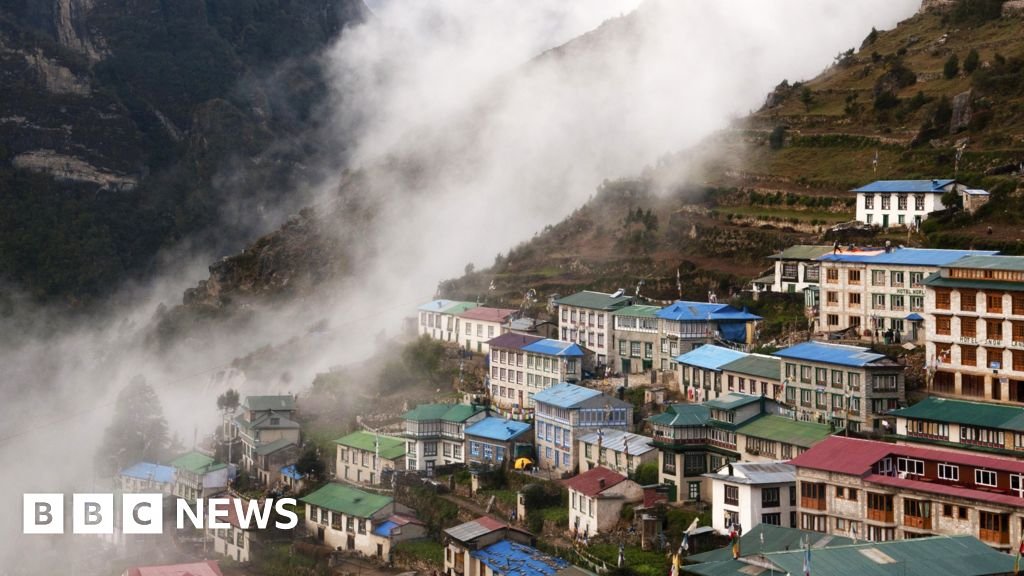
The post-pandemic travel surge has turned once-quiet Himalayan hamlets into bustling tourist hubs. In Uttarakhand, the influx of pilgrims and adventure tourists has necessitated the rapid development of hotels, homestays, and commercial marketplaces. Similarly, in Nepal, the expansion of mountain lodges and luxury resorts has kept pace with the growing popularity of high-altitude trekking and expedition tourism.
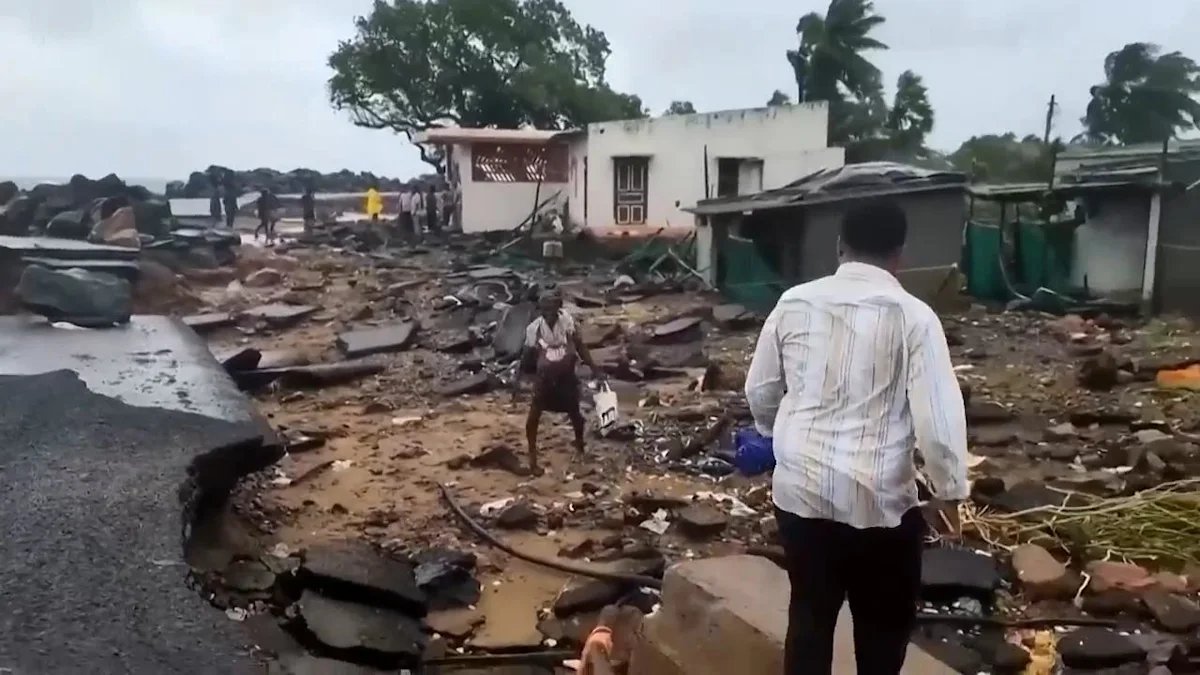
This “concrete boom” is, however, coming at a heavy cost. Many of these structures are being erected on unstable slopes without adequate soil testing or adherence to mountain-specific building codes. The weight of heavy infrastructure, combined with large-scale land clearing, is exacerbating the frequency of landslides and land subsidence. The recent crisis in Joshimath, where large portions of the town began to sink, served as a harrowing case study for what happens when development outpaces geological capacity.
Connectivity at a Cost
Beyond tourism, both nations are engaged in a race to improve connectivity. Large-scale highway projects and tunnel systems are cutting through fragile mountain passes to reduce travel time and ensure all-weather access for residents and defense forces alike.
These projects involve aggressive hillside cutting and massive excavation, which disrupt the natural drainage patterns of the mountains. When combined with the unpredictable weather patterns linked to climate change—such as cloudbursts and intensified monsoons—these man-made scars on the landscape often become conduits for catastrophic flash floods. The debris from construction sites frequently clogs mountain streams, leading to increased sedimentation and the danger of sudden, high-velocity flooding downstream.
Balancing Progress and Preservation
The developmental dilemma facing Nepal and Uttarakhand is complex. Local communities are rightfully demanding the benefits of modern healthcare, education, and transport, which are traditionally difficult to access in mountainous regions. The revenue generated from tourism remains a primary pillar of the local economy, supporting thousands of livelihoods that would otherwise remain in poverty.
Yet, the current trajectory of “development at any cost” is widely viewed by experts as a ticking time bomb. Scientists are calling for a shift toward “resilient infrastructure”—a model that emphasizes smaller footprints, strict zoning laws based on geological surveys, and the preservation of traditional mountain architecture that historically adapted to the terrain rather than defying it.
As both regions continue to expand, the central challenge remains: can India and Nepal create a sustainable blueprint for development that honors the geological fragility of the Himalayas? Unless policy takes a radical turn toward conservation and climate-resilient planning, the very beauty that draws millions to these mountains may soon be buried under the weight of its own expansion.
Disclaimer: This content is auto-generated for informational purposes only.
Source: Read Original News