







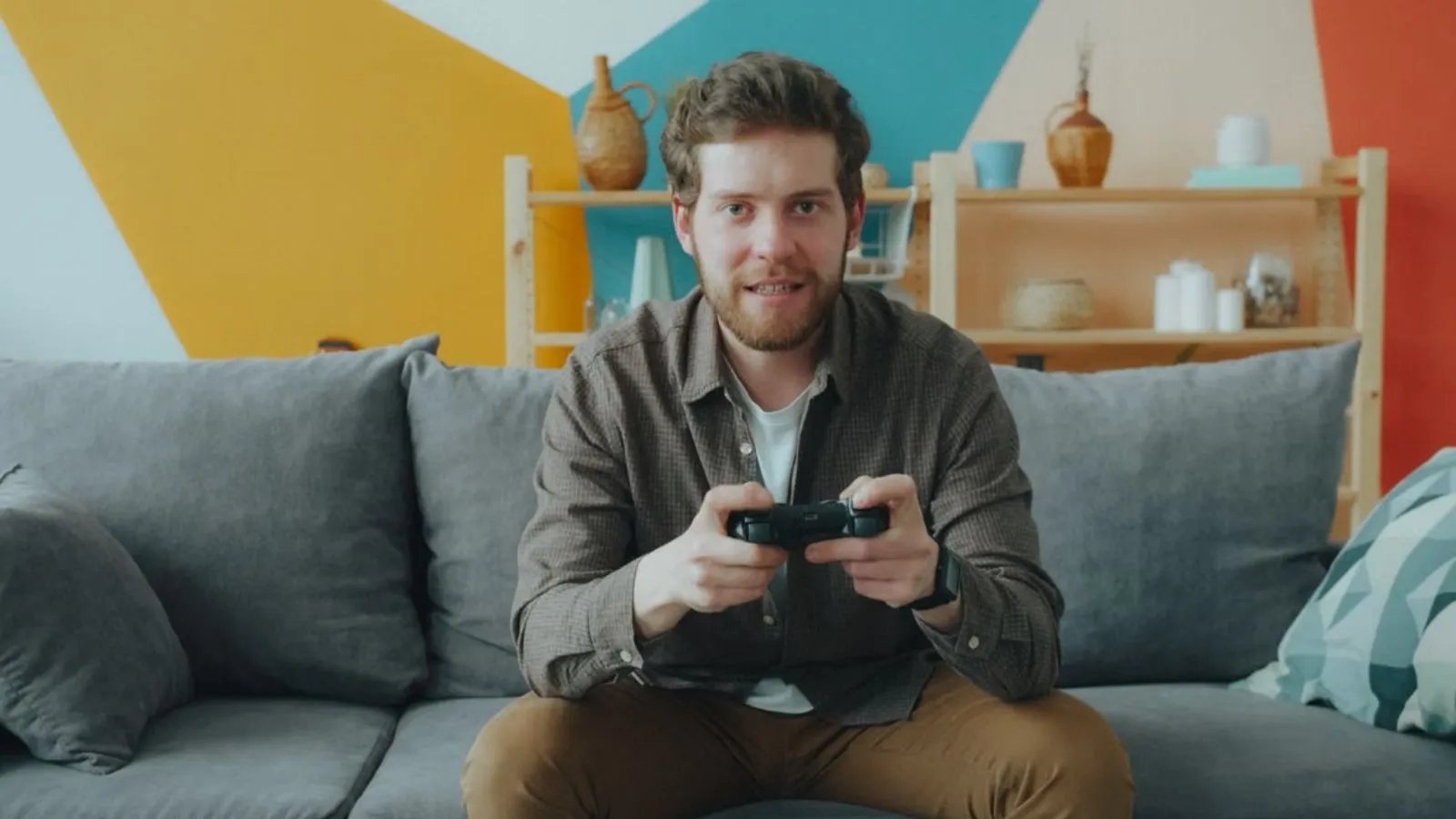
The Growing Trend of Gaming-Focused Annual Leave
The intersection of professional life and personal entertainment has become a subject of modern debate, particularly as high-budget, highly anticipated video games now offer experiences that rival major blockbuster films. Recently, a discussion surfaced on social media regarding a professional who chose to allocate seven days of his annual leave specifically to play upcoming game releases. This decision sparked a significant disagreement with his partner, highlighting a broader cultural shift in how individuals perceive time off.
For many professionals, vacation time is traditionally viewed as a window for travel, visiting family, or household improvement projects. However, as the complexity and length of interactive entertainment continue to grow, a segment of the workforce is opting for “staycations” dedicated to completing massive single-player campaigns. This shift is not merely about inactivity; it represents a deliberate choice to engage with complex narrative-driven software that requires substantial time investments, often exceeding forty to sixty hours of gameplay for a single title.
Analyzing the Mechanics of Modern Gaming Schedules
The individual at the center of this discourse, who is entitled to 28 days of paid leave annually, planned to utilize seven days for gaming. Specifically, he allocated five days in October for a recent major release and two days in November for the highly anticipated Grand Theft Auto 6. This strategic use of time allowed him to align his schedule with industry release windows, ensuring he could immerse himself in these experiences without the distraction of professional responsibilities.
From a technical planning perspective, the individual’s approach is sound. By utilizing seven out of his 28 days, he retained 10 days for future use—excluding the mandatory office shutdowns during the holiday season. The conflict arose when his partner questioned the validity of using personal leave for a hobby rather than more traditional vacation activities. The user contended that his choice was equivalent to taking time off for any other pursuit, such as reading, home improvement, or leisure travel, arguing that as long as his professional and domestic obligations were met, the specific nature of his leisure activity should remain his own.
The Societal Perception of Personal Time
The controversy surrounding this decision reflects the ongoing tension between traditional expectations of vacation and the evolution of digital leisure. Critics argue that using significant amounts of leave for gaming might appear to be a waste of potential travel time, whereas proponents of the “gamer vacation” suggest that high-quality, immersive games offer significant cognitive and creative stimulation.
Furthermore, the act of taking time off to engage with a singular, complex interest has historical parallels in the world of literature and film. Collectors and enthusiasts often take time off for conventions or marathon viewings of film franchises. The rise of sophisticated, narrative-rich gaming experiences has bridged the gap between these traditional hobbies and digital media. The debate illustrates that while many recognize the autonomy of the individual, there remains a persistent societal stigma that characterizes gaming as less “constructive” than other forms of relaxation.
Technological Impact on Leisure Planning
The gaming industry has shifted its release model to cater to players who want to experience content at launch. Titles like the recent Wolverine game and the upcoming entry in the Grand Theft Auto series are designed as massive, dense, and technically demanding experiences. To complete these titles within a reasonable window, players must often invest intensive blocks of time. This “day-one” culture drives the need for users to request time off, as digital connectivity means that gaming news, social media discussions, and spoilers are inescapable.
For the modern consumer, the value proposition of a sixty-dollar game is often measured in hours of entertainment. By spending a week of leave, a player can effectively “consume” a premium piece of media that they have been anticipating for months. This mirrors the behavior of individuals who take time off for sporting events, music festivals, or other live entertainment. The impact on the individual is a sense of fulfillment and completion that is often unattainable during regular weekend hours, where professional fatigue typically hampers one’s ability to focus on complex interactive narratives.
Balancing Relationships and Autonomy
The dispute between the individual and his partner serves as a case study for modern relationship management. Communication regarding how shared time is prioritized remains essential. While the individual argued that his gaming leave did not conflict with their shared plans or holidays, the partner’s apprehension suggests a deeper concern regarding the definition of “quality time.”
Ultimately, the majority of the online community discussing this specific case sided with the individual. The consensus is that once workplace requirements and partner obligations are satisfied, the remainder of a person’s leave is a personal asset. As digital entertainment continues to consume a larger portion of our cultural landscape, the professional world is increasingly likely to see more individuals choosing to spend their hard-earned vacation days in front of a console, validating that personal time is defined not by the activity itself, but by the satisfaction it provides to the participant.
Disclaimer: This content is auto-generated for informational purposes only.
Source: Read Original News